
Palm Trees Are Noise
From 'Staging the Ordinary' to hallucinating the everyday: an attempt, traced through the example of the palm tree, and grounded in media-philosophical questions surrounding photography and generative AI techniques.
From 'Staging the Ordinary' to hallucinating the everyday: an attempt, traced through the example of the palm tree, and grounded in media-philosophical questions surrounding photography and generative AI techniques.

In the 1960s, Marshall McLuhan coined the term 'Global Village' to describe the profound impact of electronic media on the structures of time, space, and communication.

Markus Oberndorfer about his journey through Vinewood West during times of the pandemic.

Architecture as a cultural phenomenon carries many strong references. It is the inextricable link to cultural identity and acts as the identity holder in the form of the commonplace.
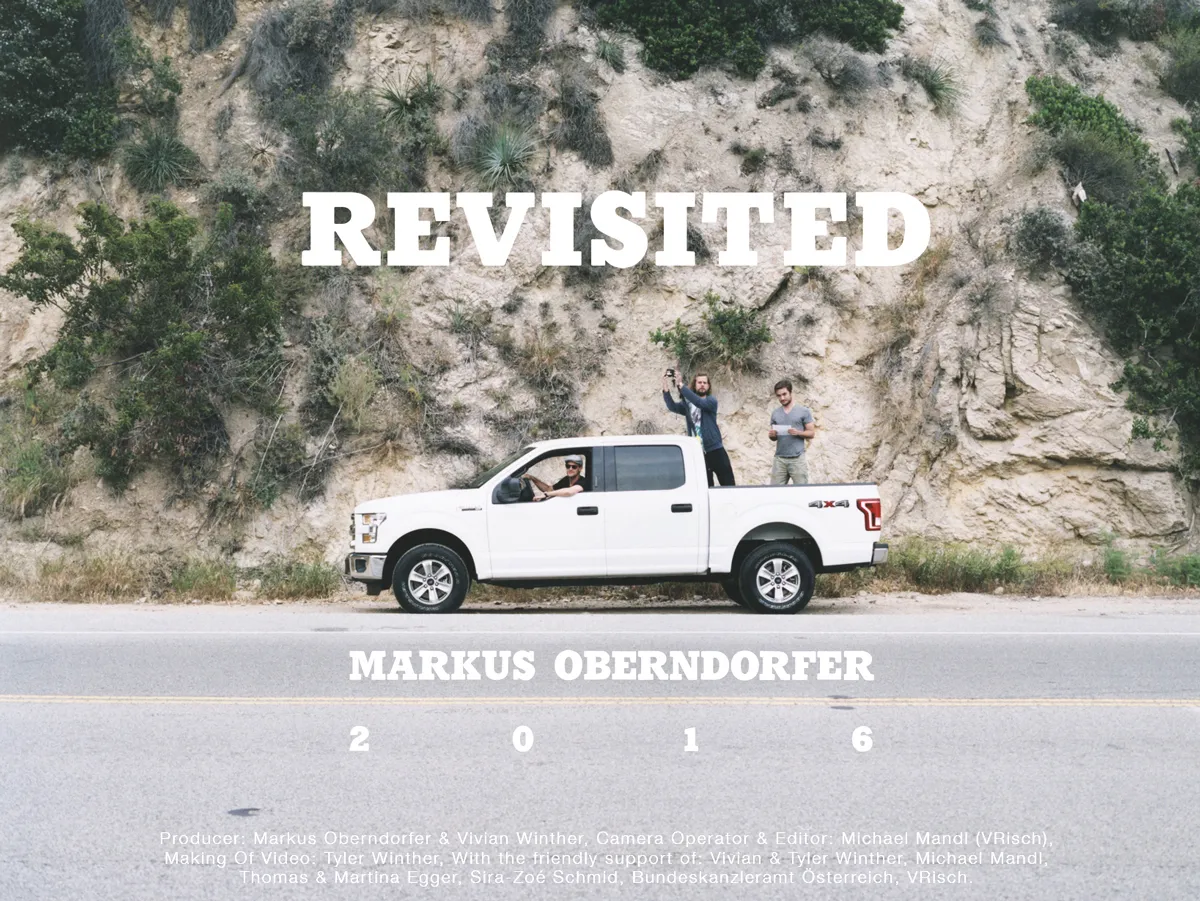
Markus Oberndorfer about his photographic journey through Hollywood 50 years after Ed Ruscha's 'Every Building On The Sunset Strip'.

This text reflects on the early stages of the REVISITED project, offering insight into its evolution, my thinking, methods, and artistic approach.

Is everything that surrounds us only ‘Almost Nature’? Or is in fact everything (including human beings and their technical achievements) ‘nature’?
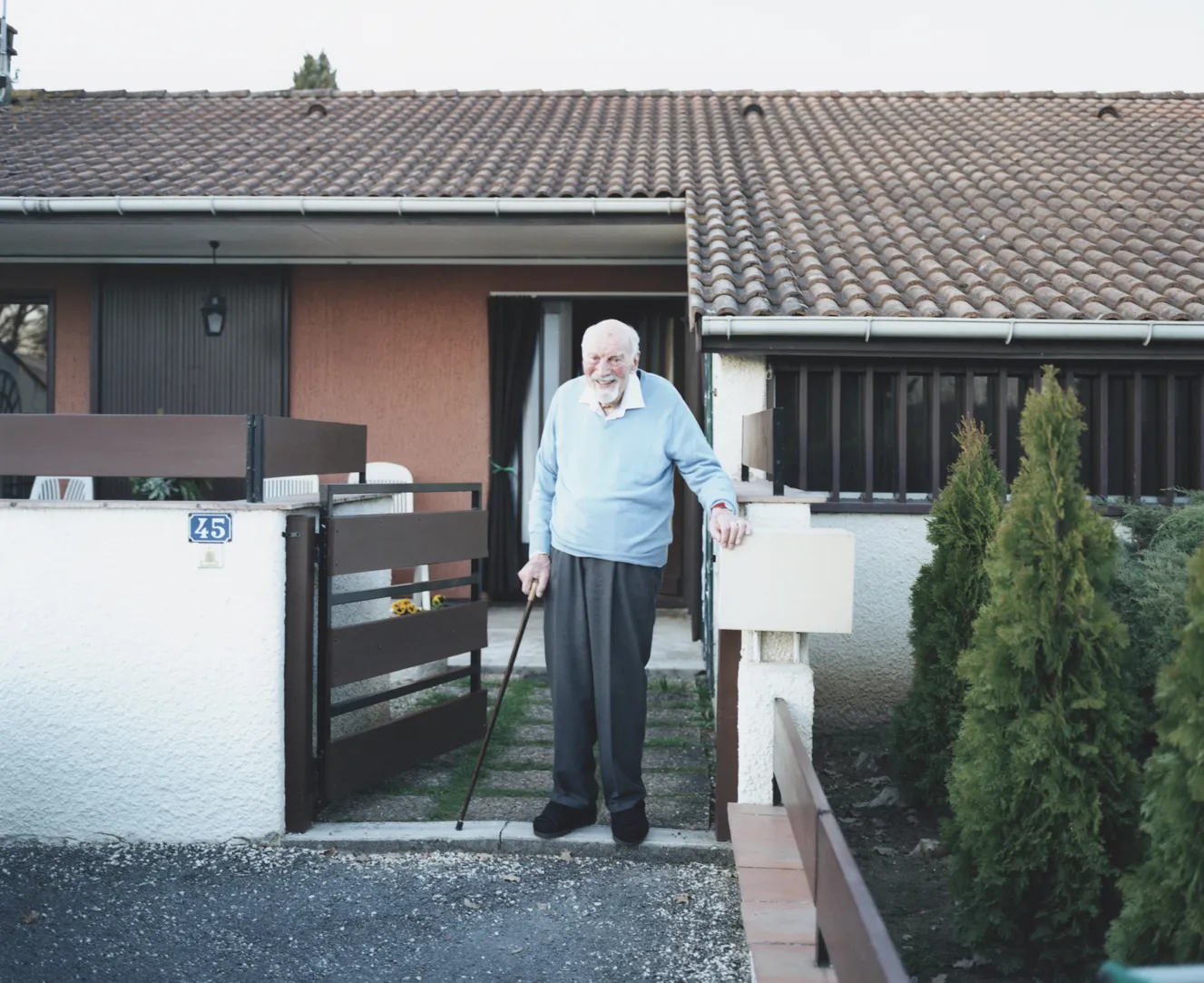
If we compare the seven gates of Thebes to the bunkers at Cap Ferret, we can answer the question posed by the 'worker who reads': it was Henri Lavrillat.
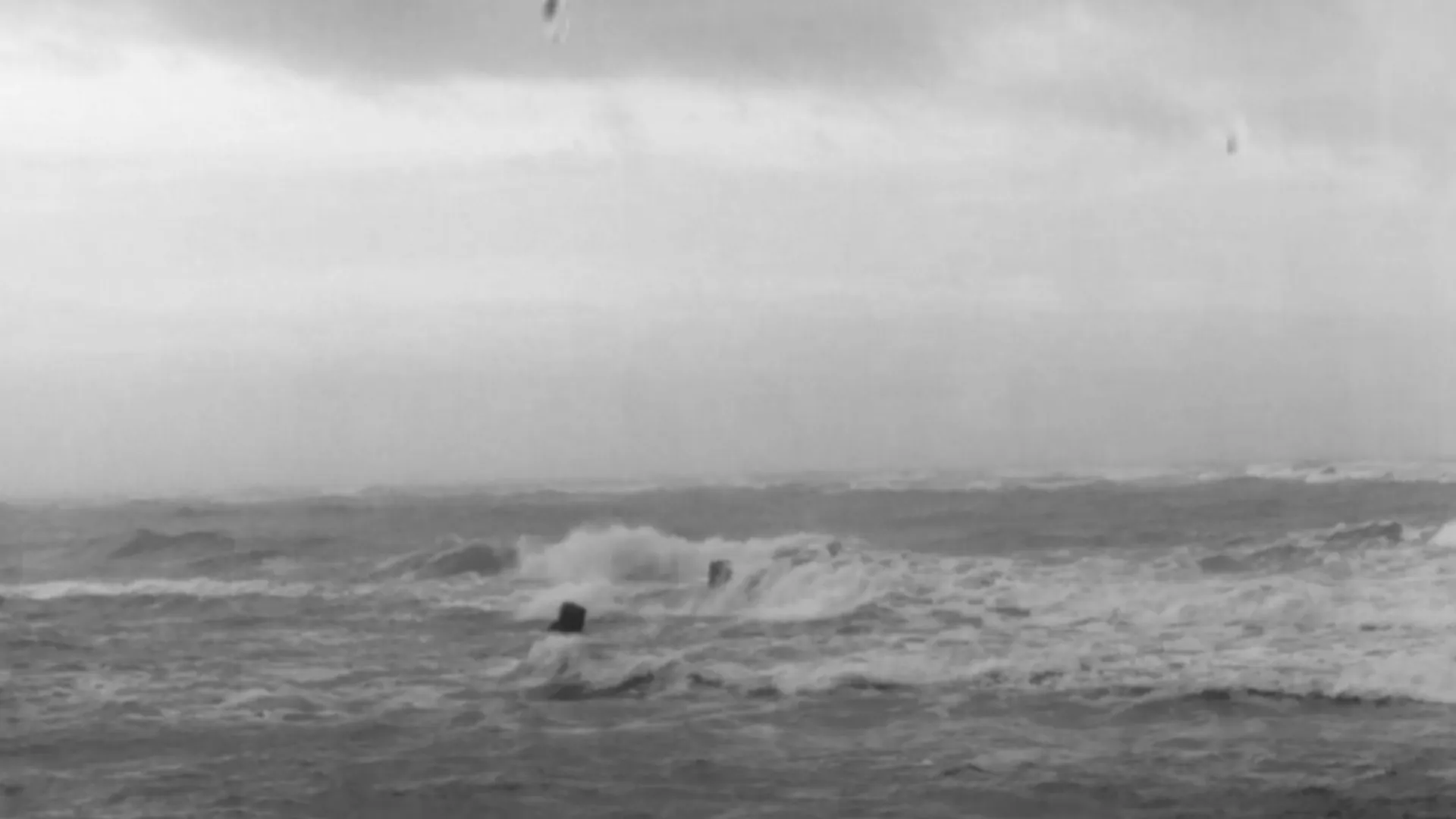
In constant correlation, forgetting and remembering coordinate the virtualisation and actualisation of what we experience and perceive.
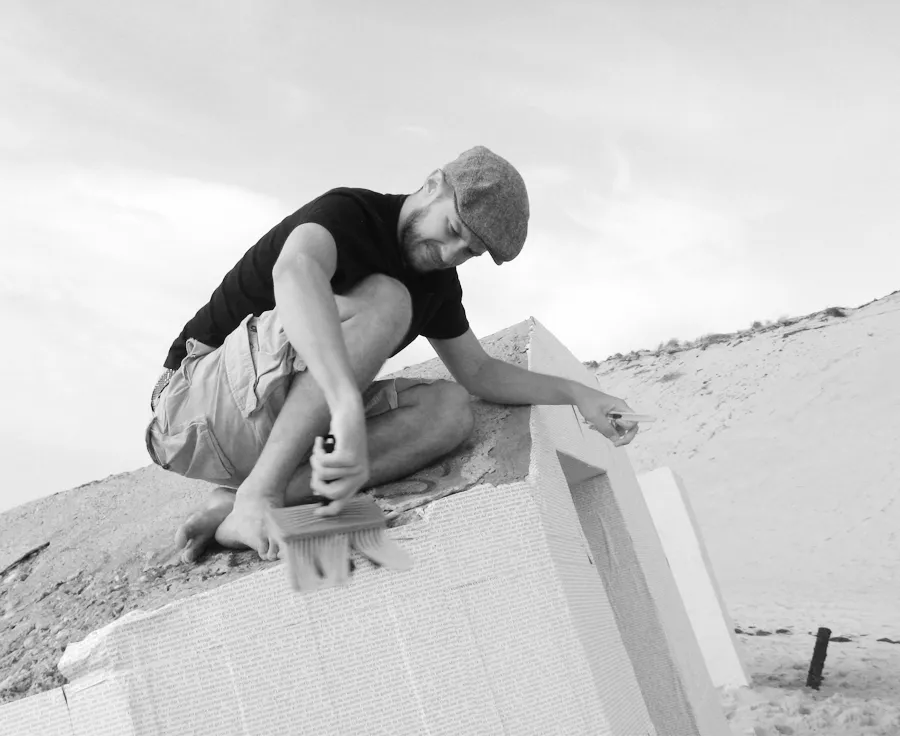
When I see them crumble, it is like my bad memories of Cap Ferret crumble with them, Henri Lavrillat said in my interview... It is just as legitimate to use a bunker as a canvas as it is important to remember the history behind the bunker walls.
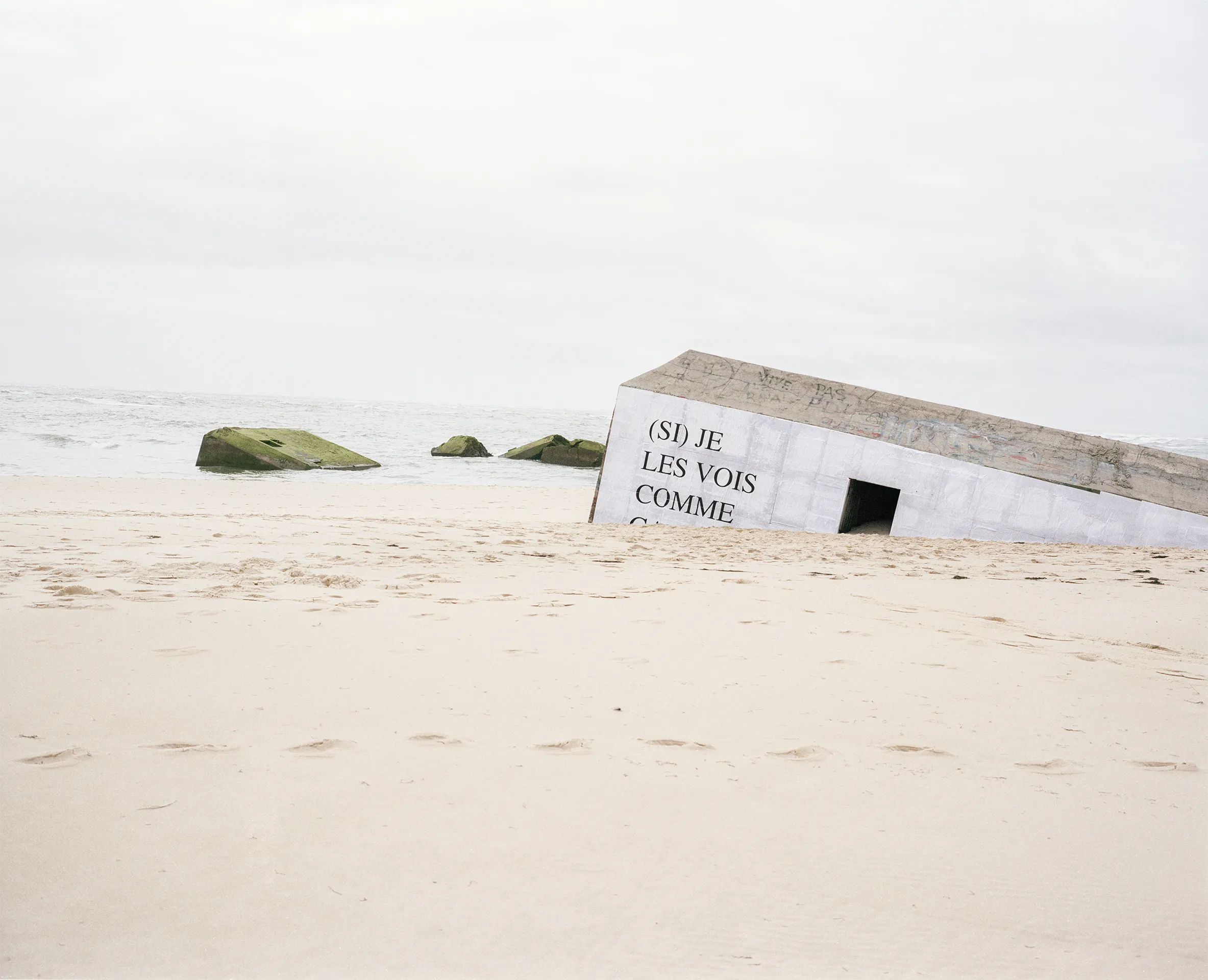
A historian's perspective on the Atlantic Wall fortifications and their place in European memory.

Nowadays, humans do not live in the real world. [...] They rather live in their own images, the images they have made of the world, themselves and others, and from images that have been constructed for them of the world, themselves and others.
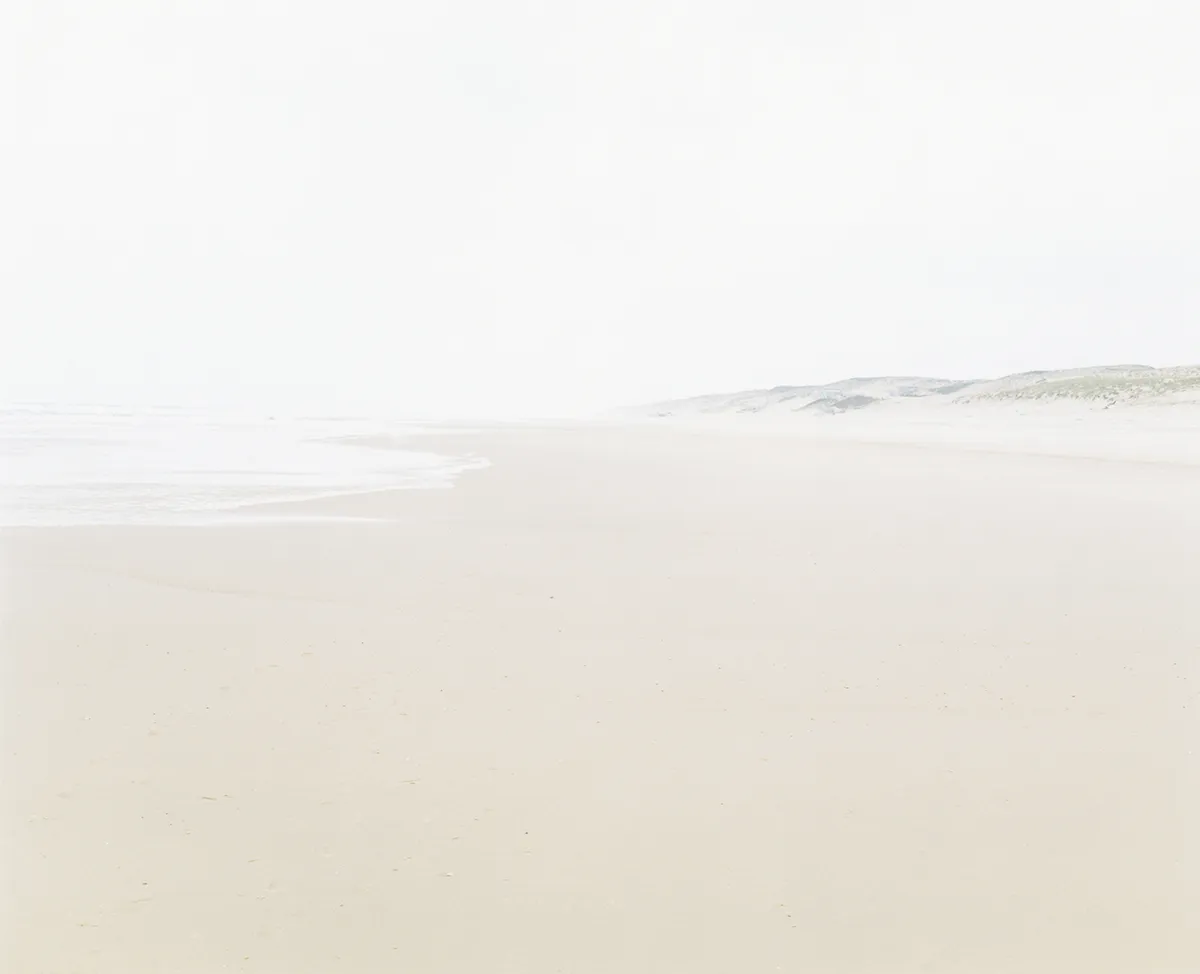
In documenting these fortifications, Oberndorfer has created not just a record of architectural decay but a meditation on the nature of void itself — in architecture, in photography, and in memory.
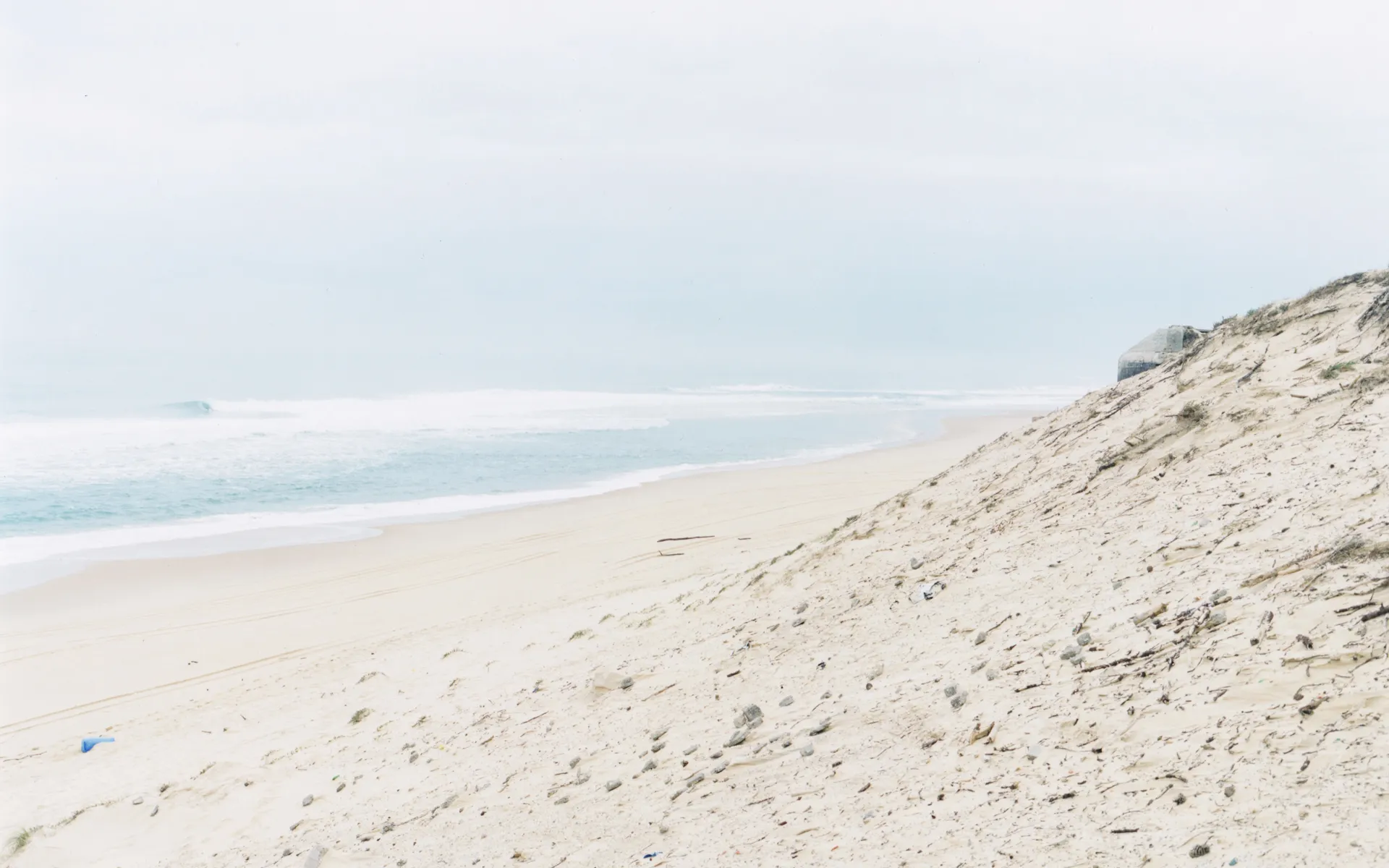
Nature restores what man forced from it. As powerful, proud or victorious the constructions might arise — there is a more powerful force, the quiet and subtle decay.