Foukauld
Project Overview
Disappearance
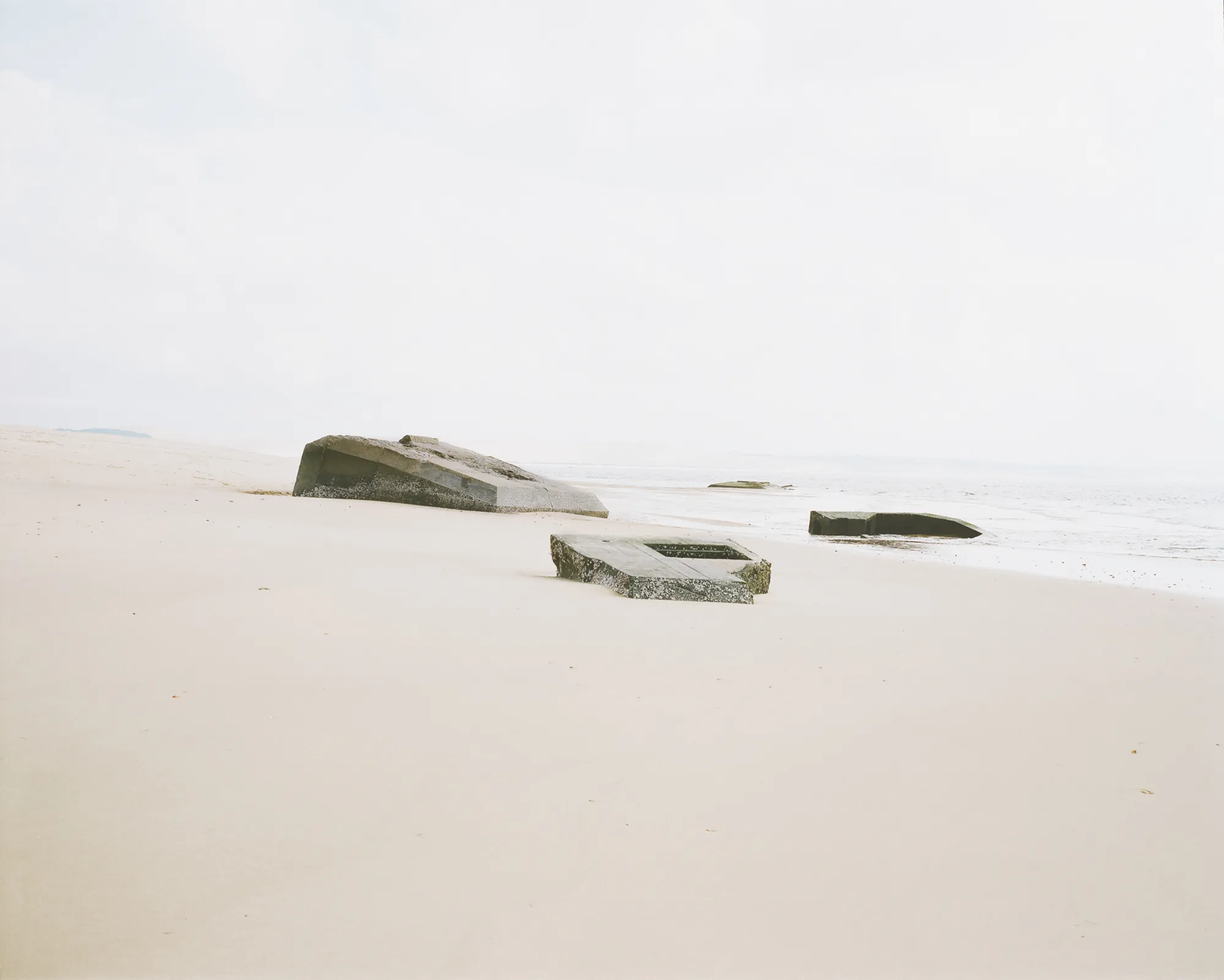
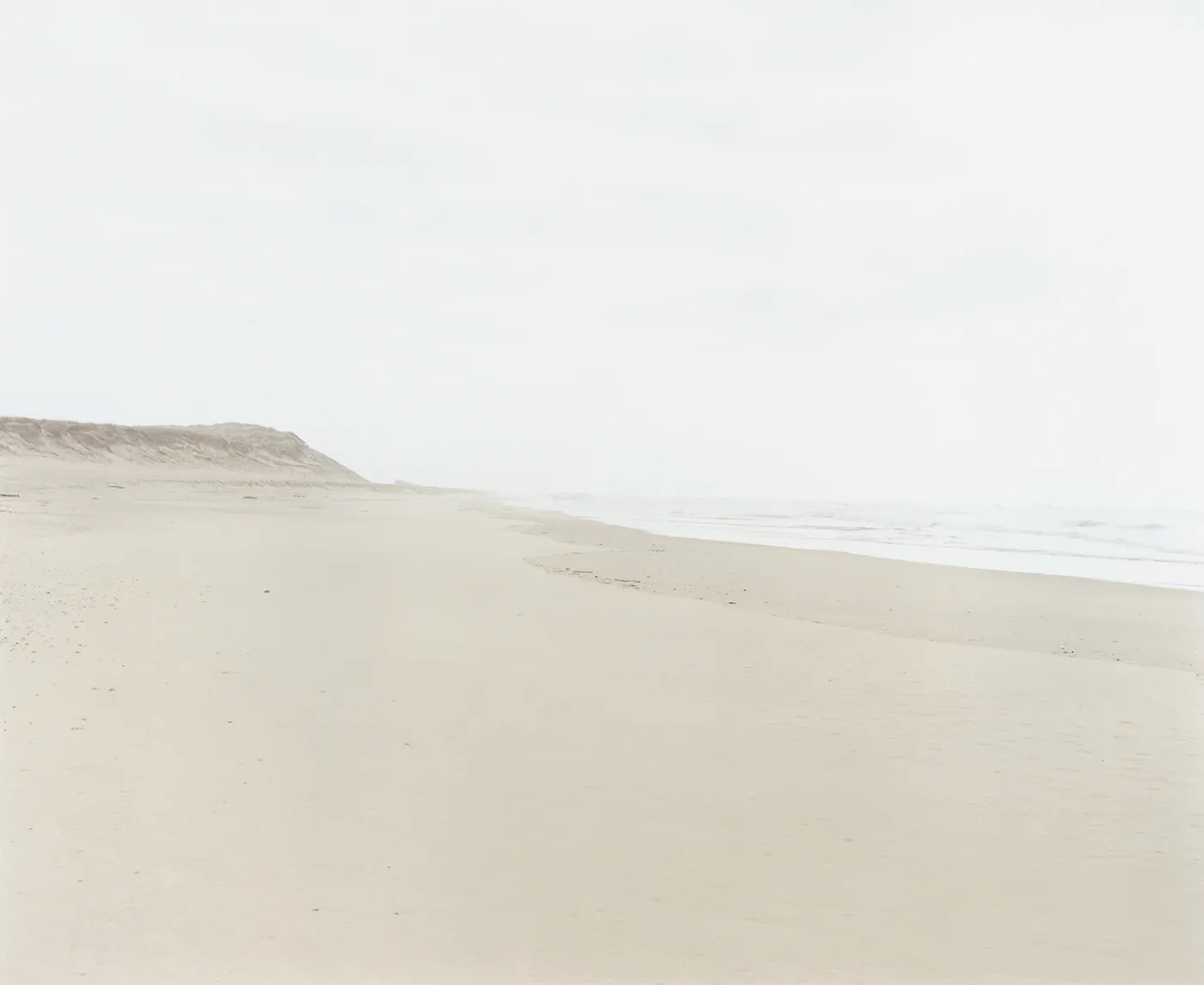
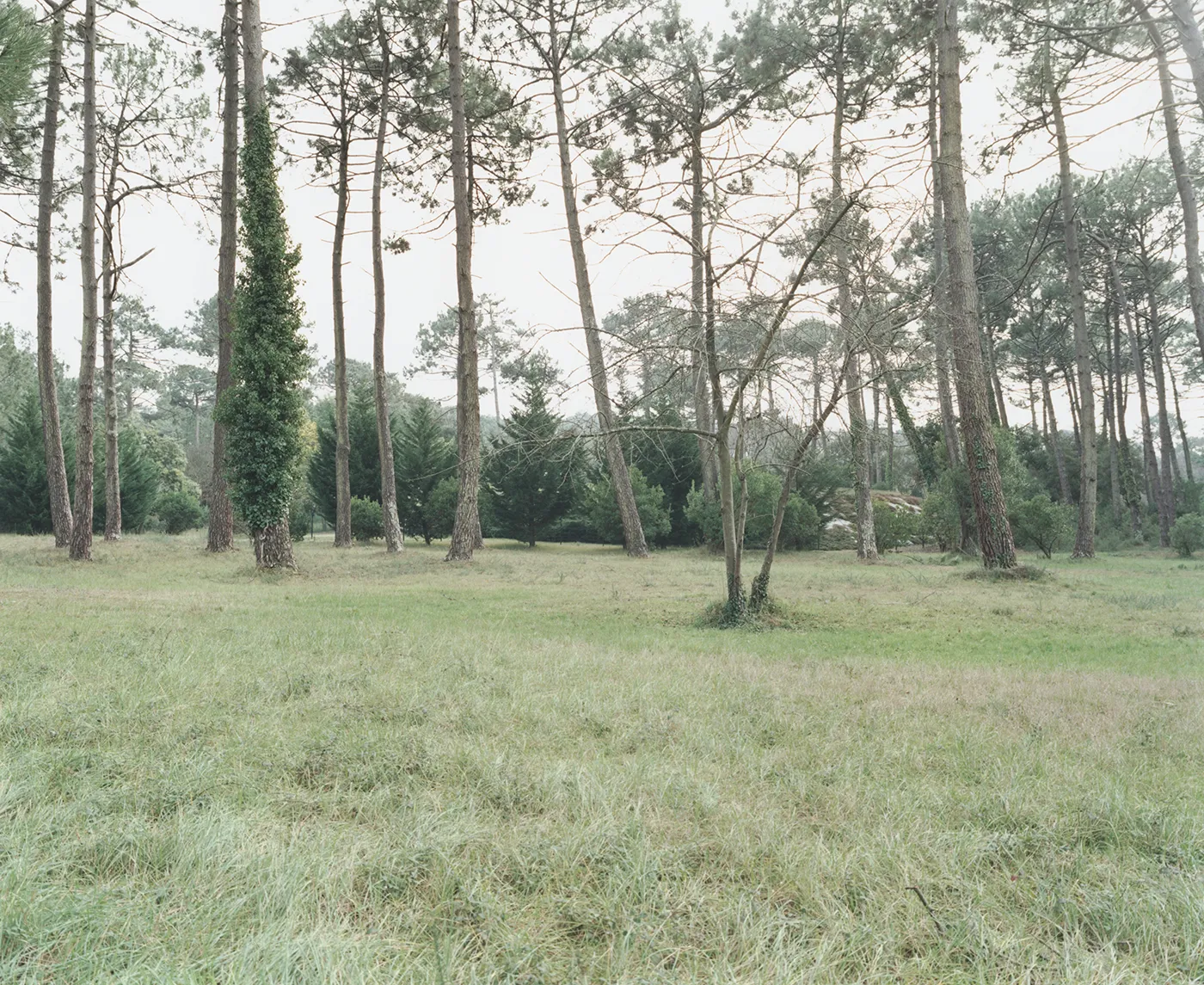
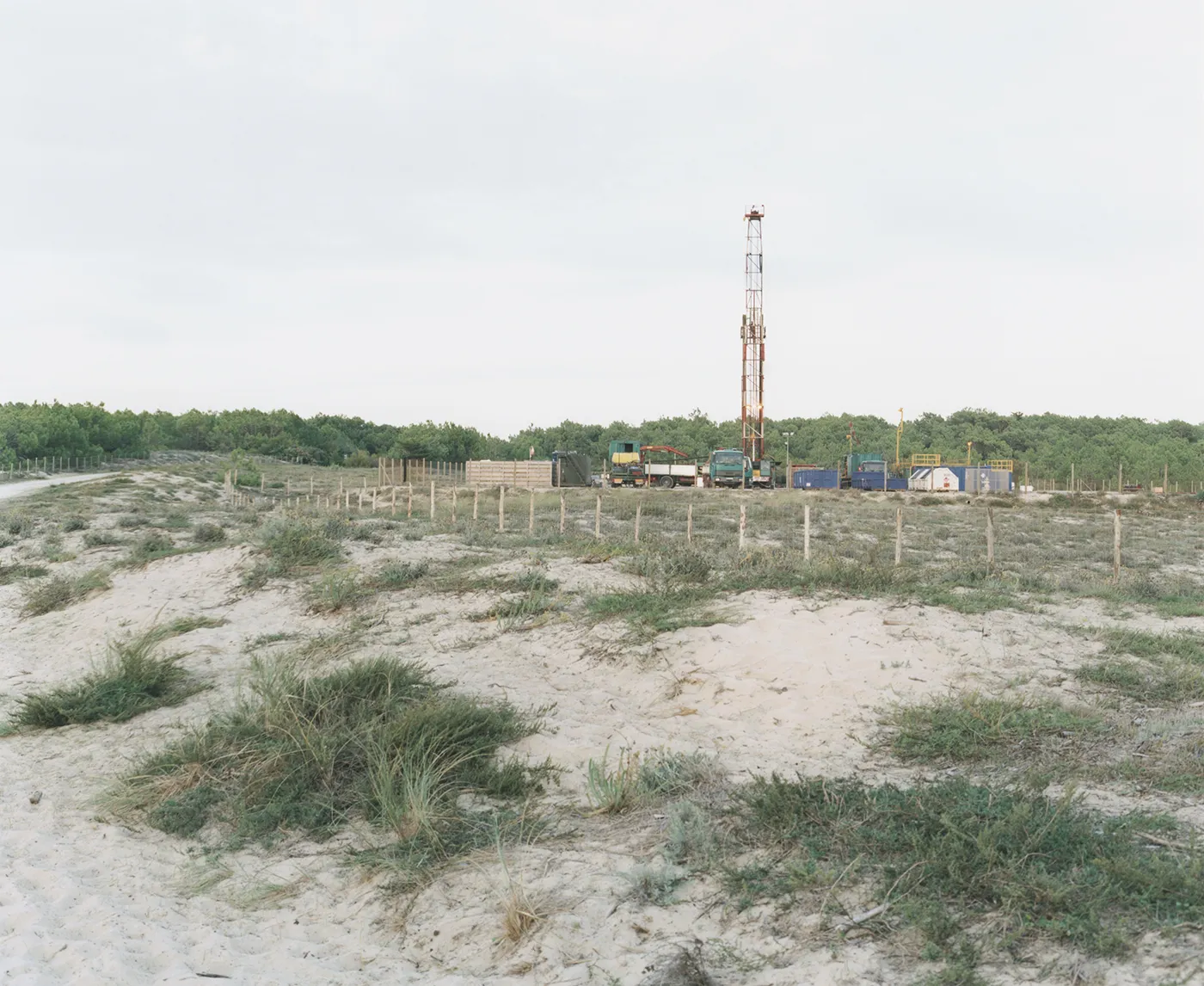
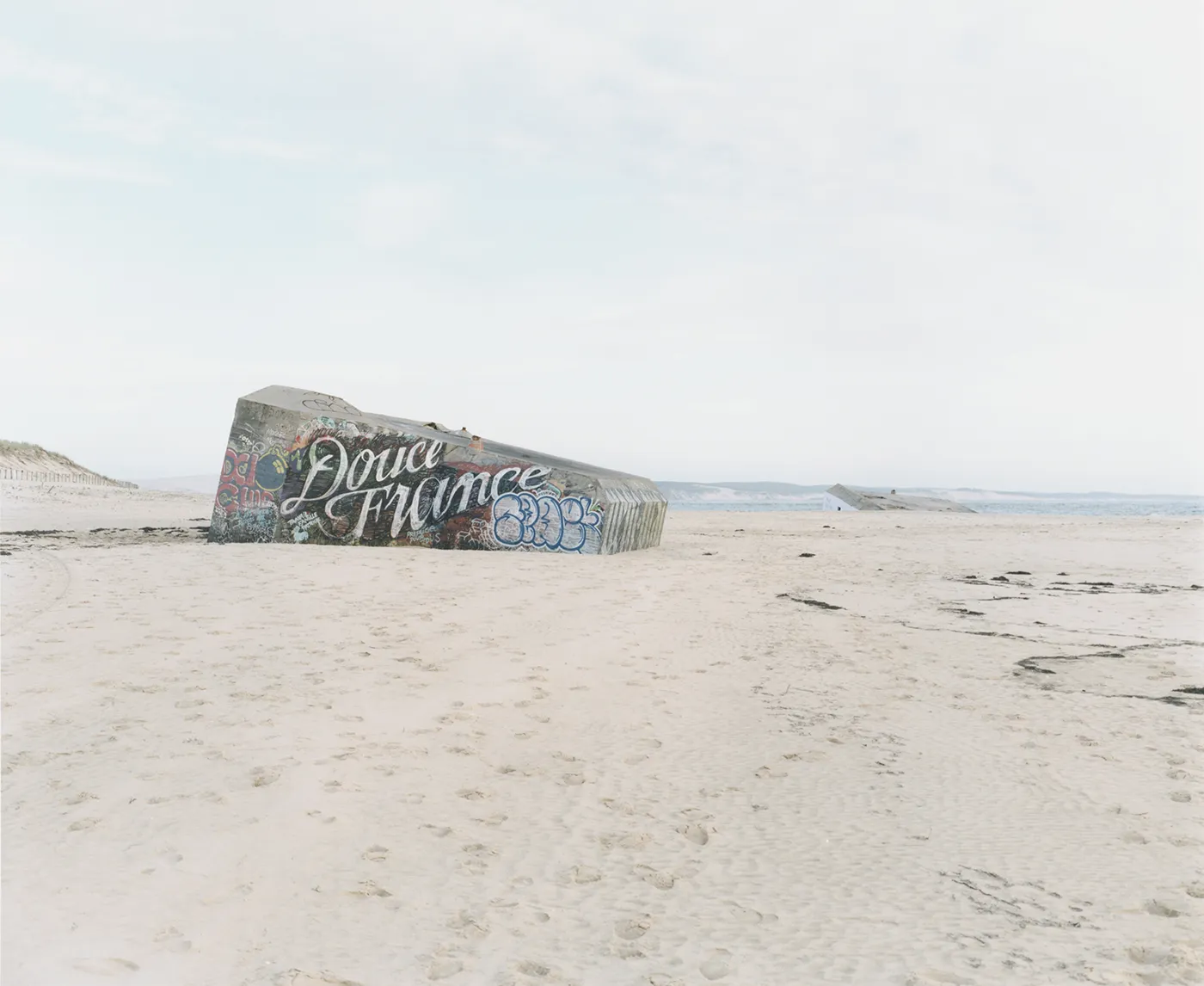
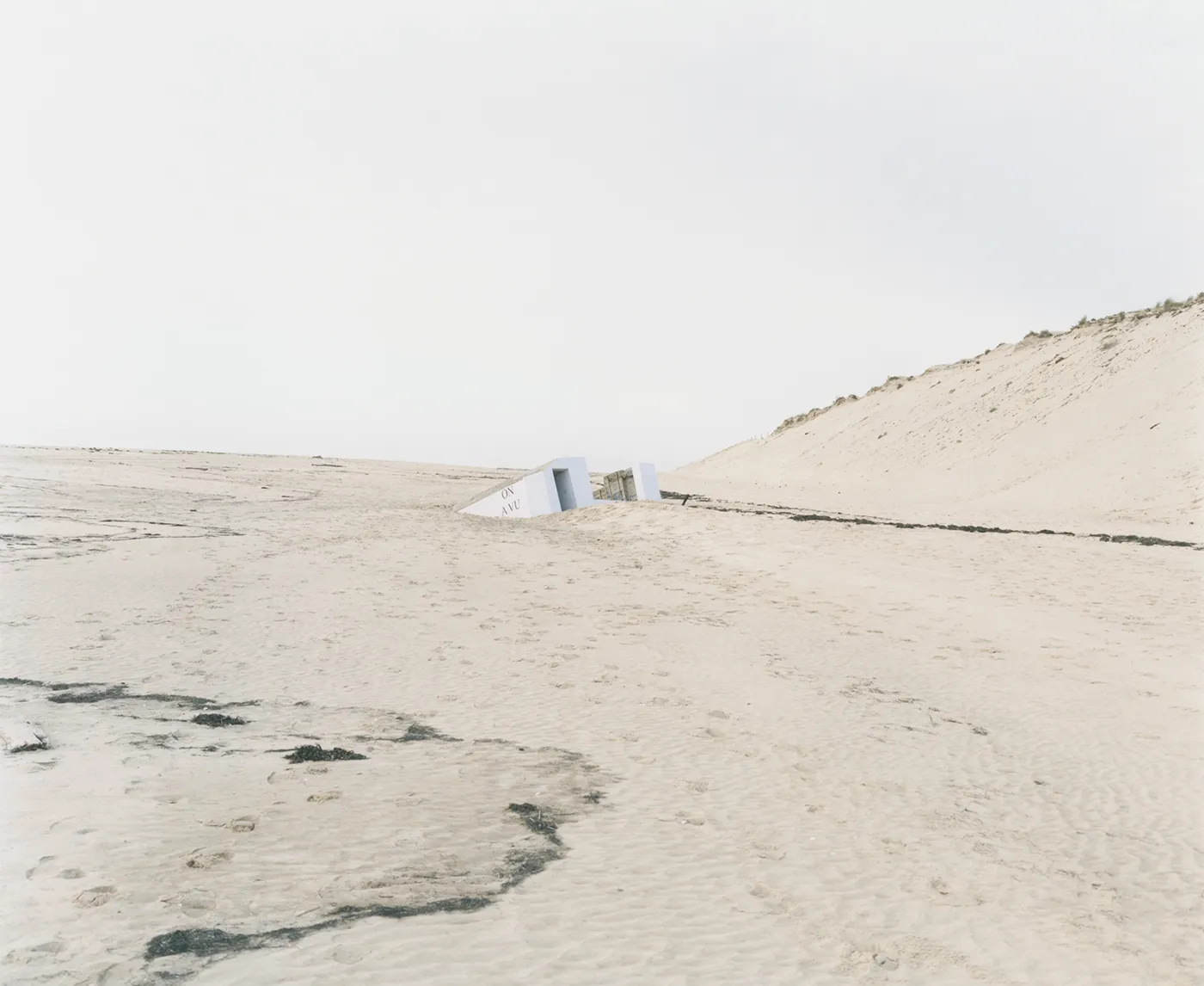
A photographic investigation examining the disappearance and appropriation of Nazi Germany's concrete fortifications on the Atlantic Coast around Cap Ferret. The project traces layered processes of disappearance, revealing Cap Ferret today as a place where leisure, recreation, historical remnants, and memorial space coexist.
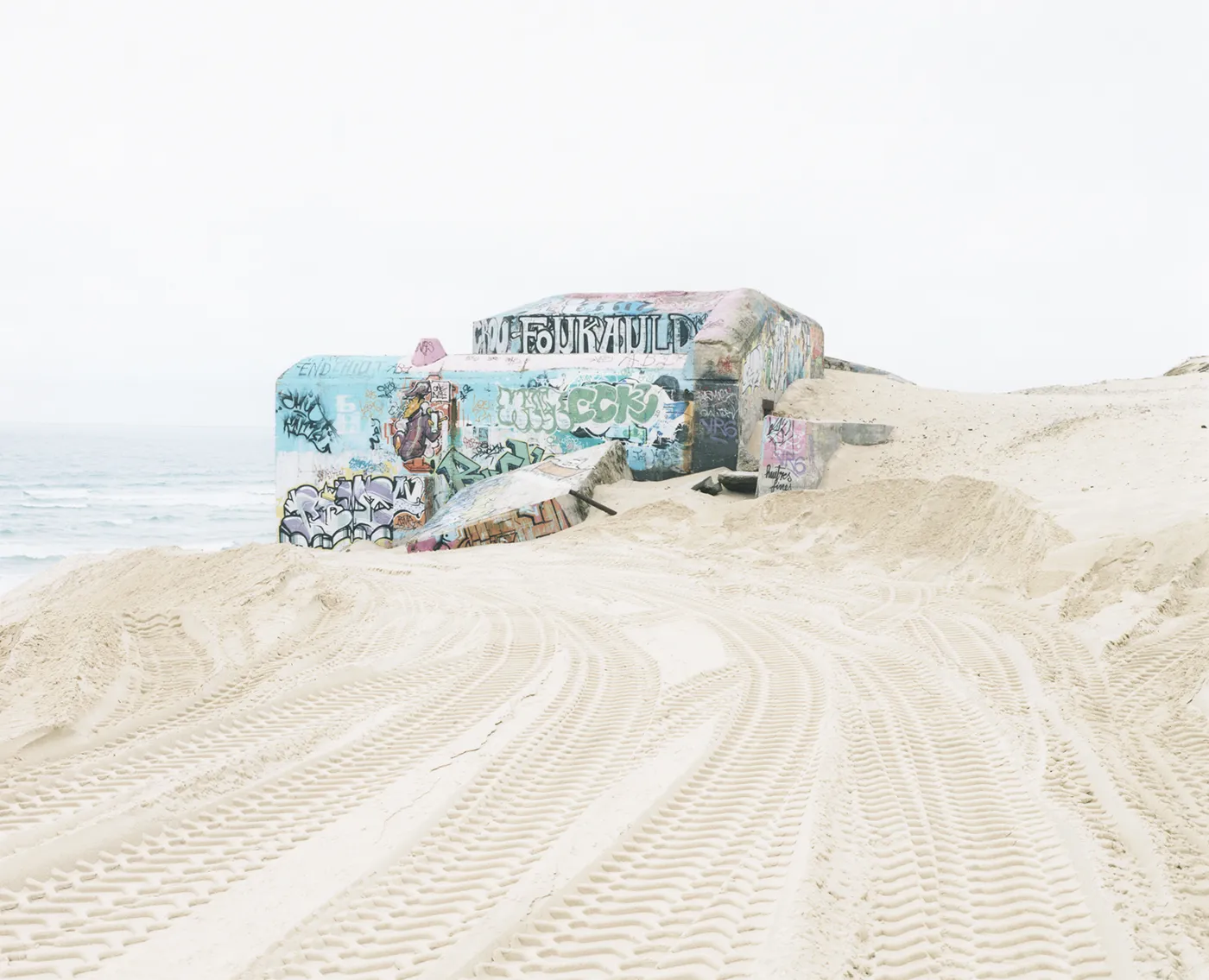
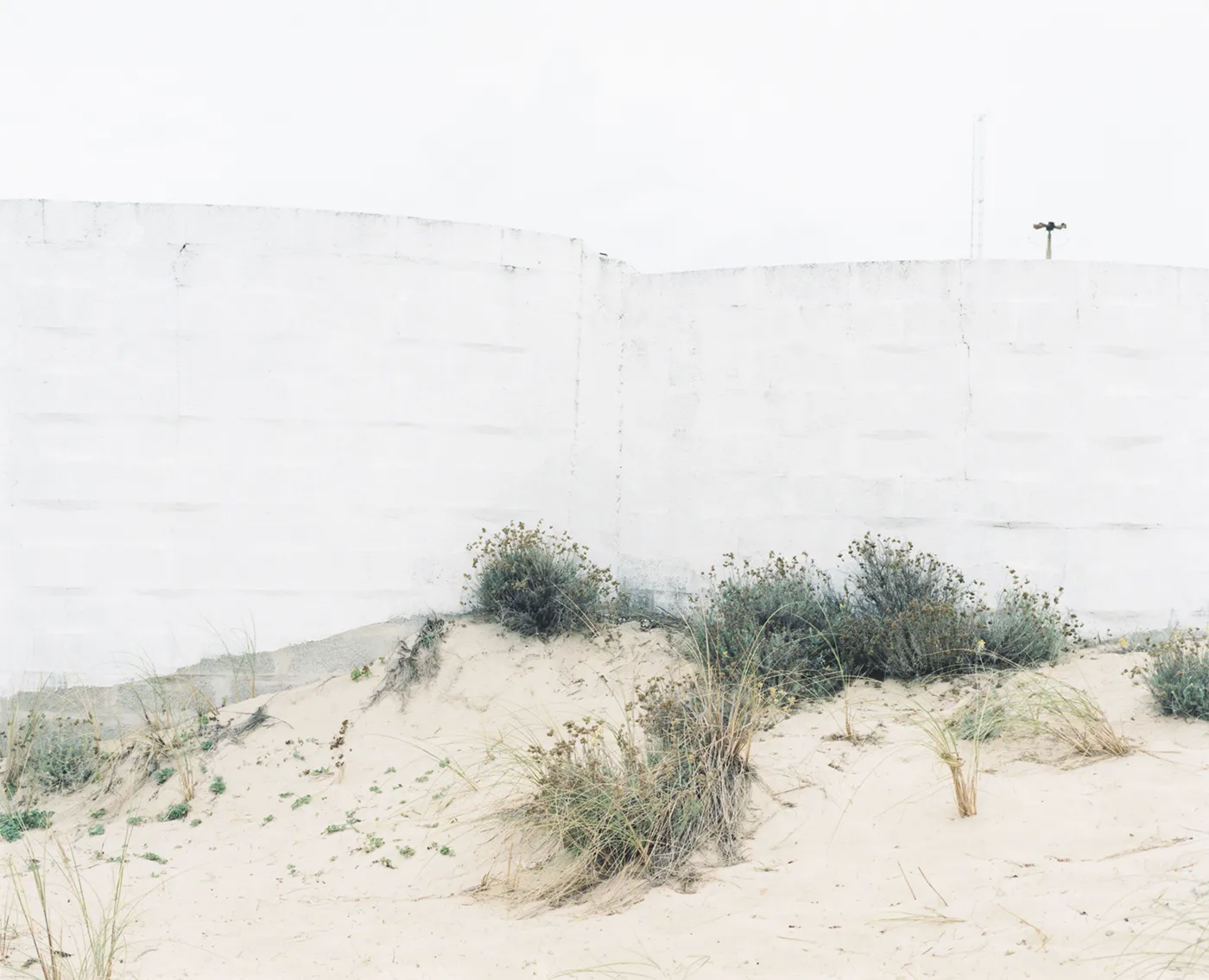
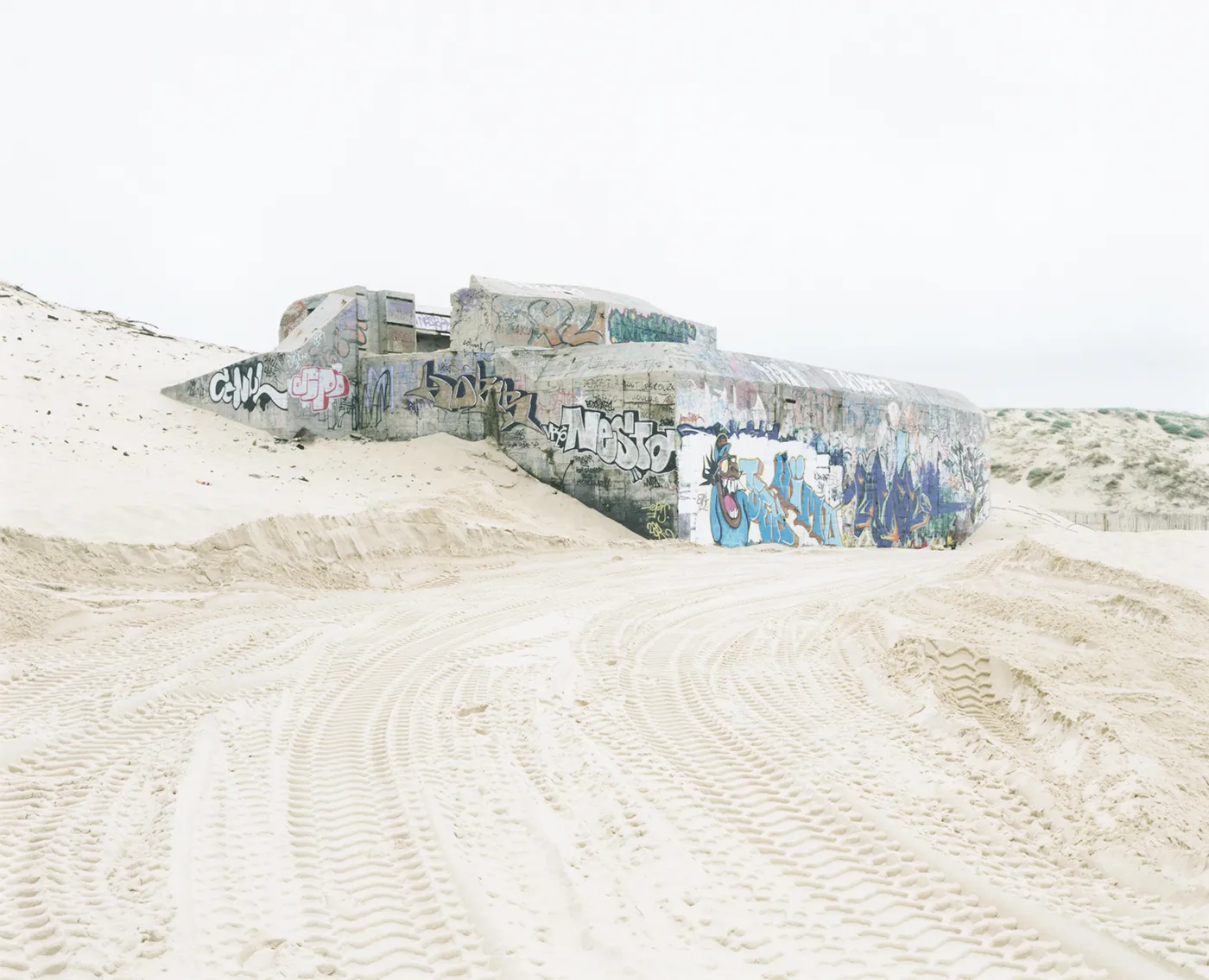


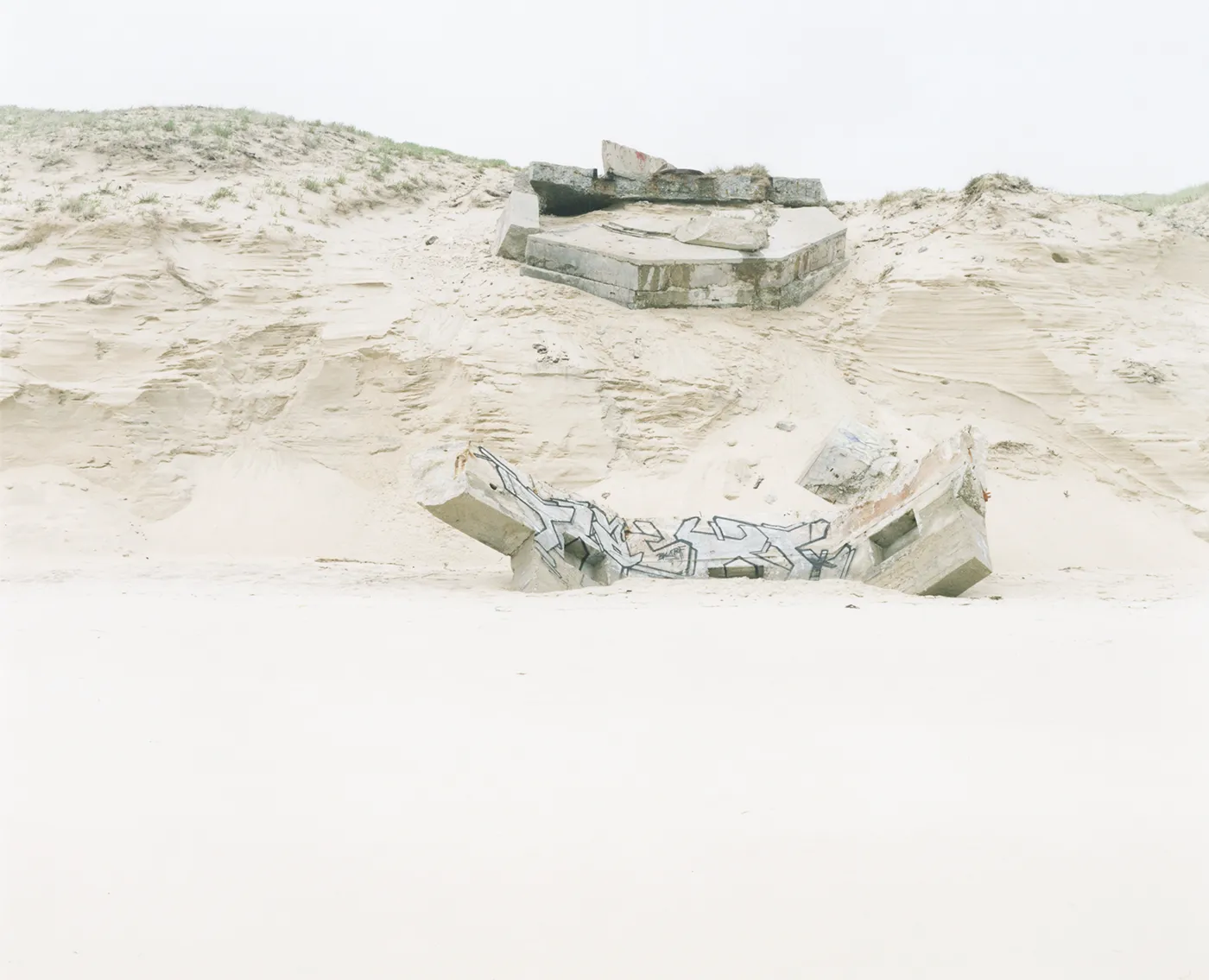

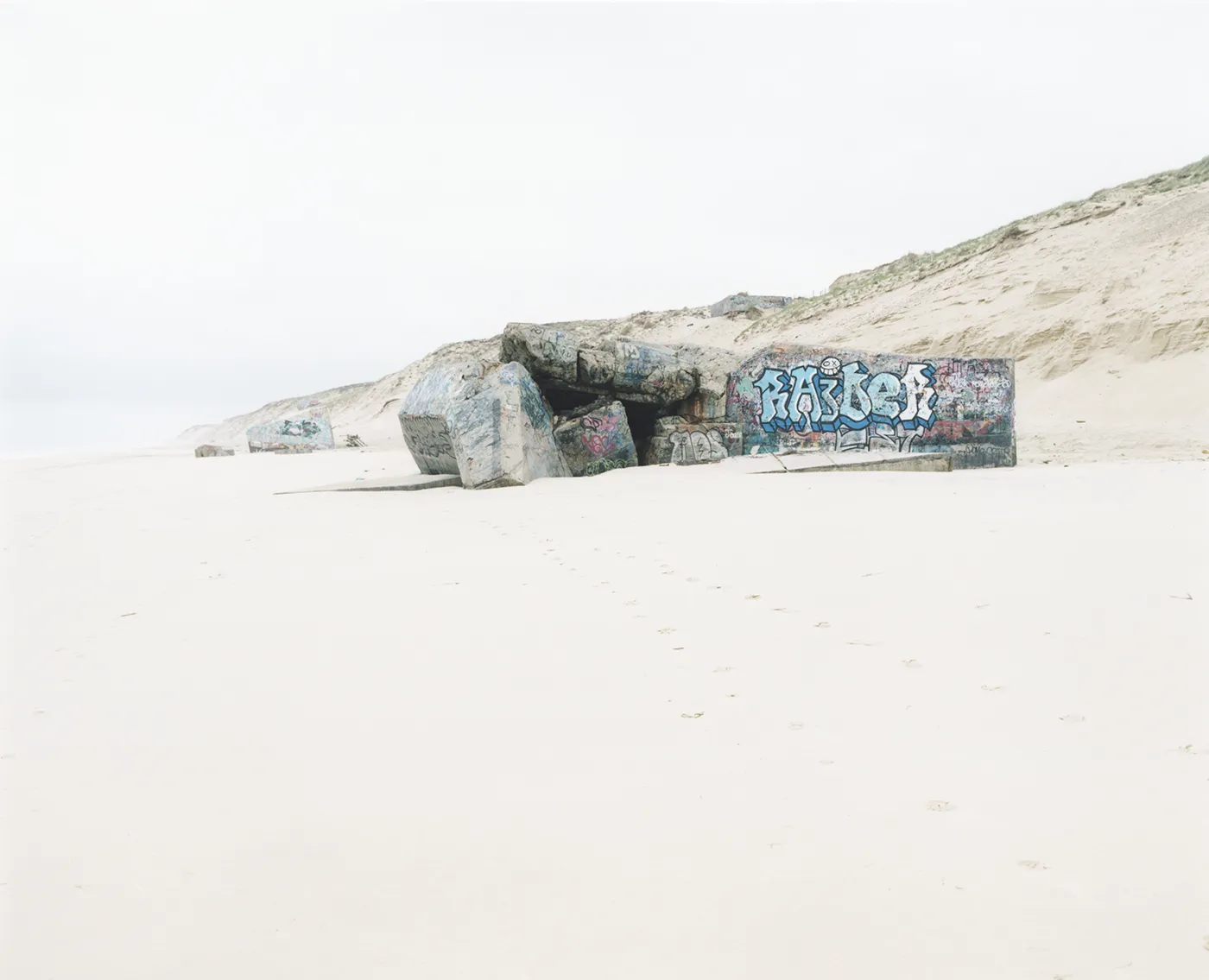
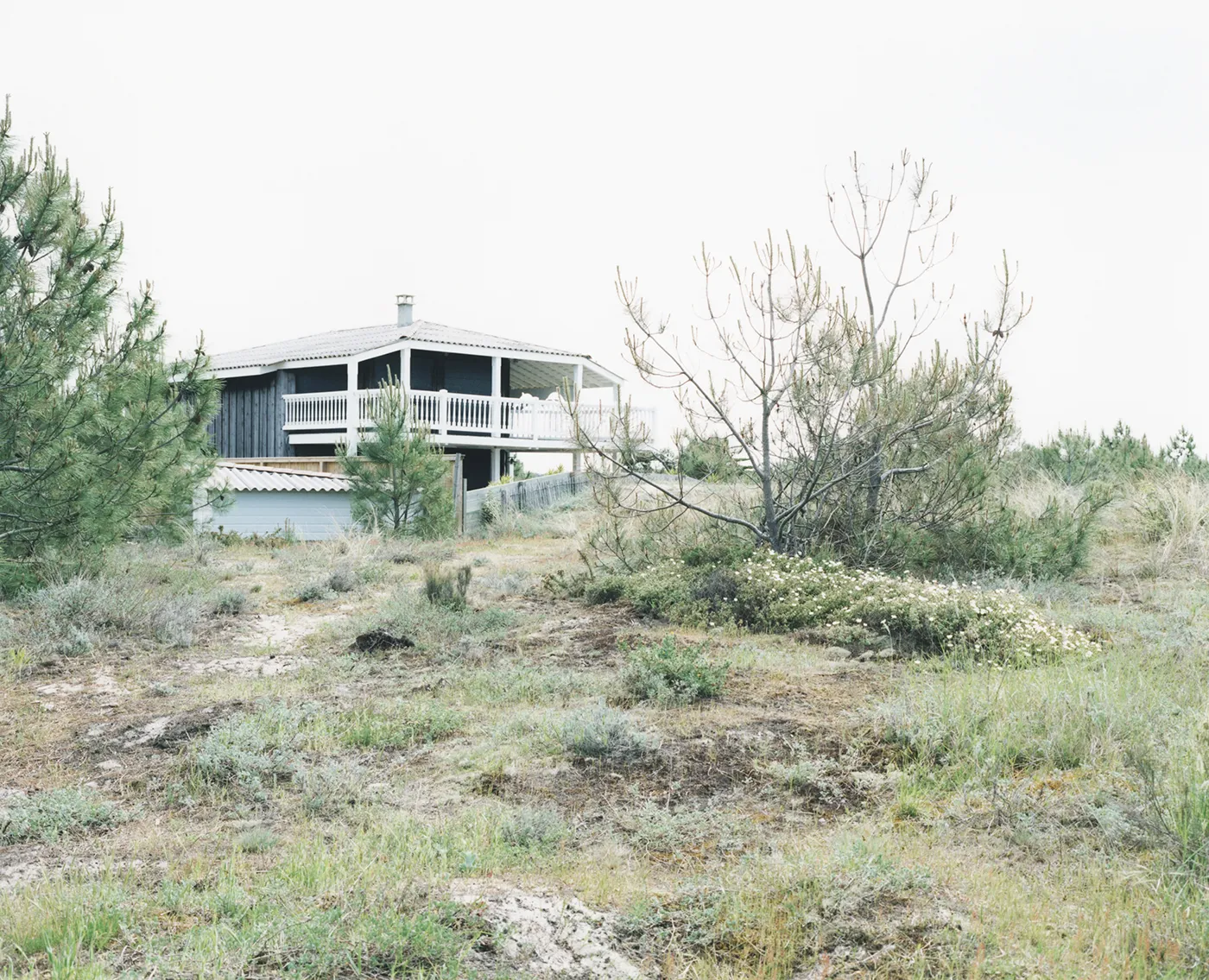

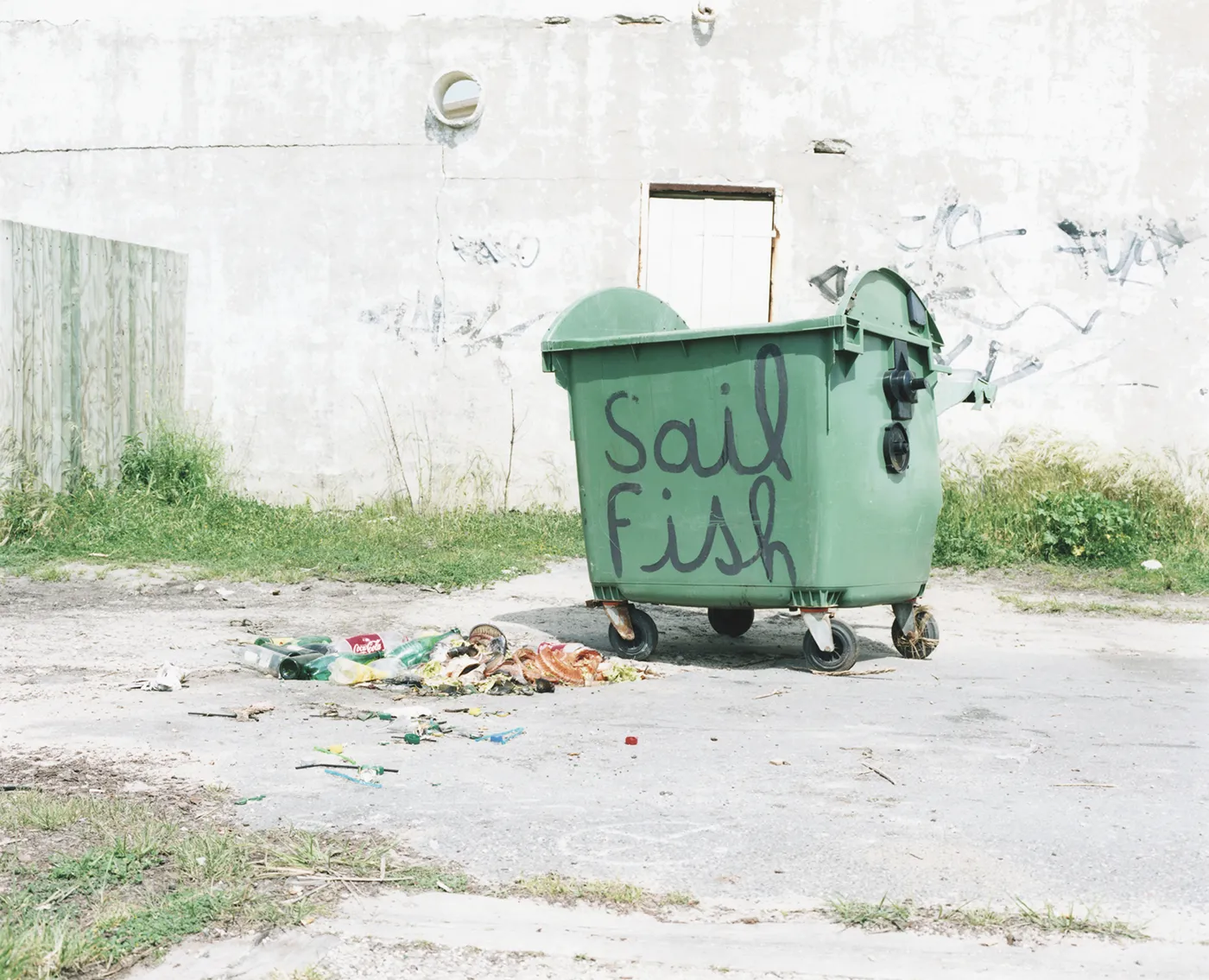
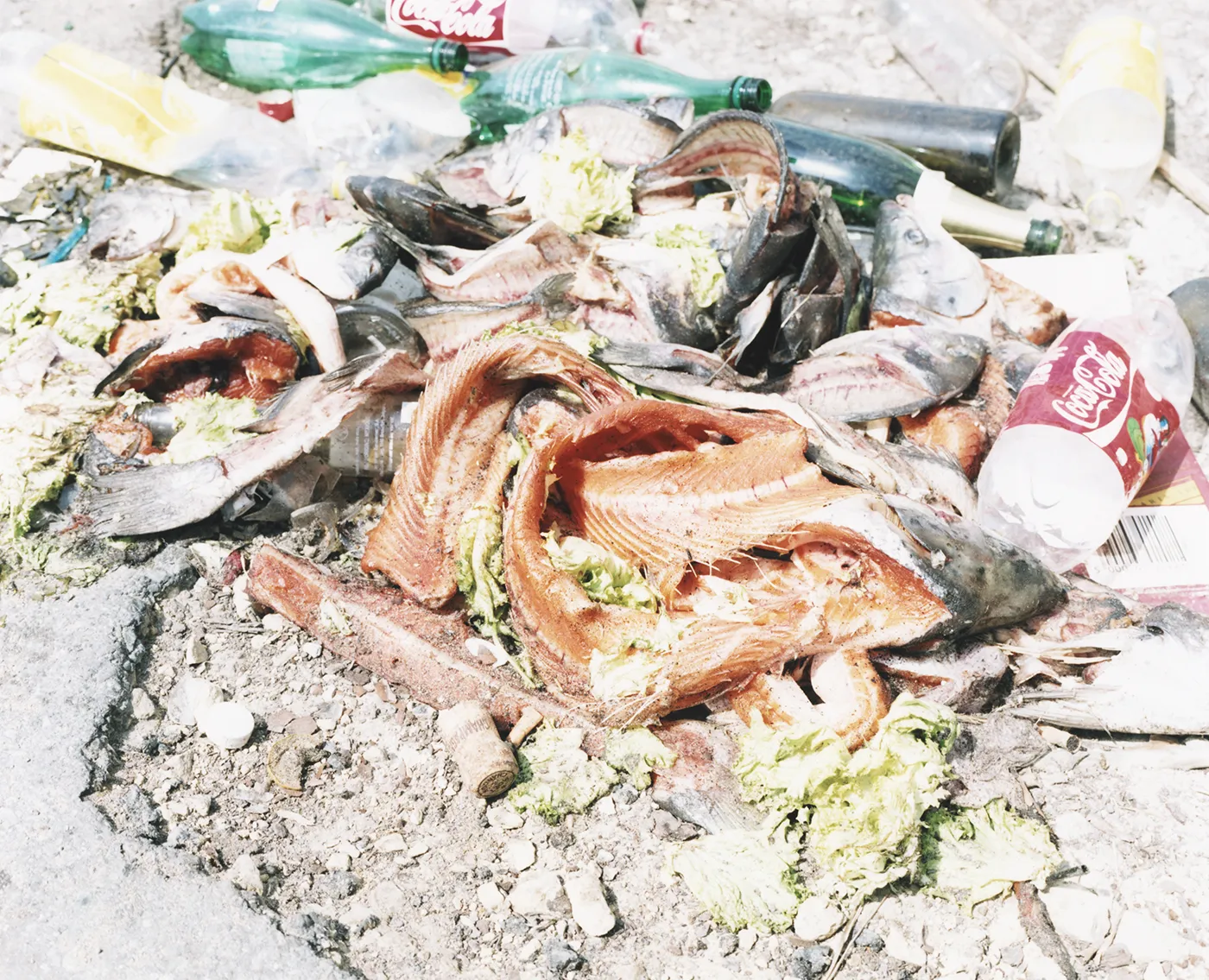
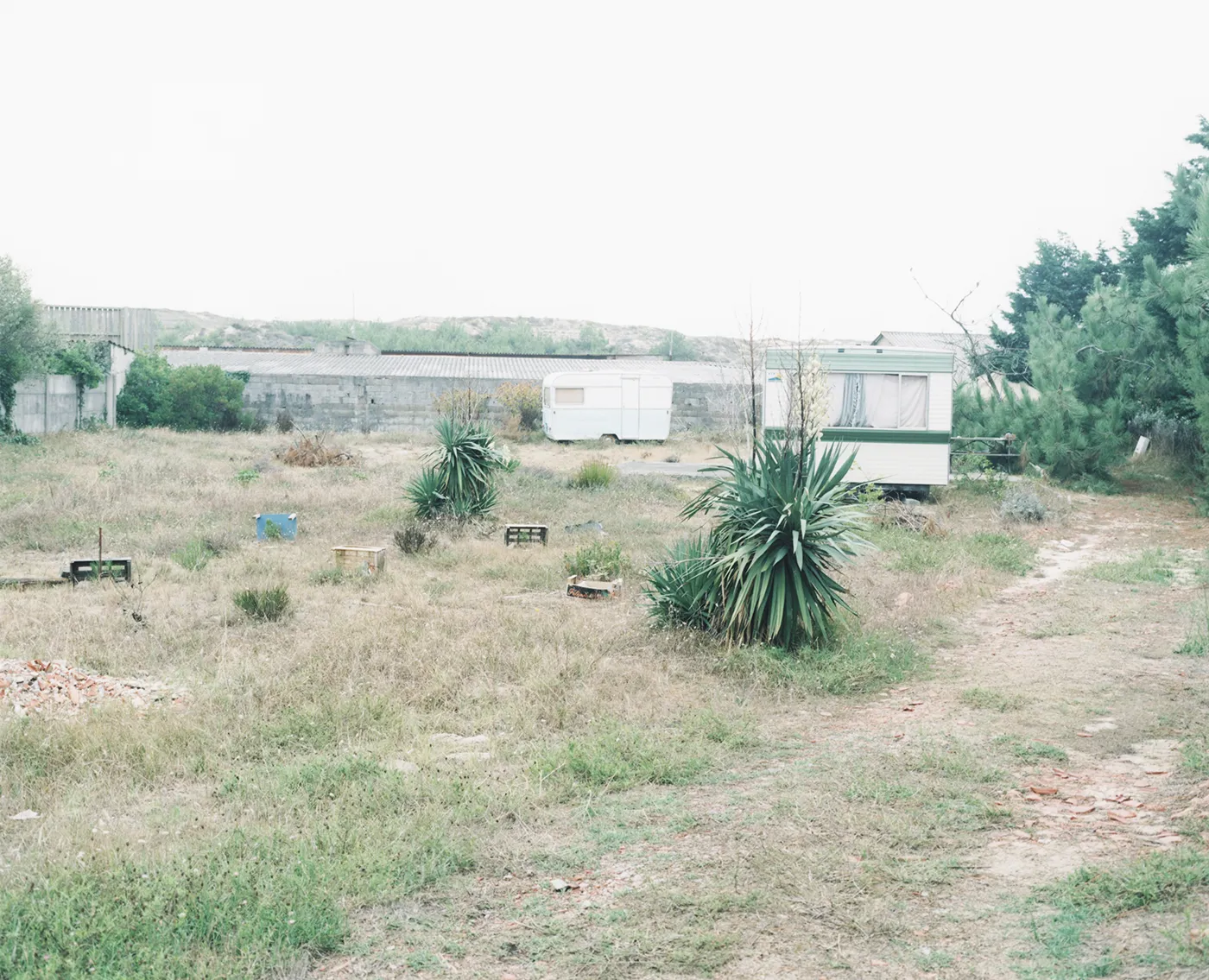
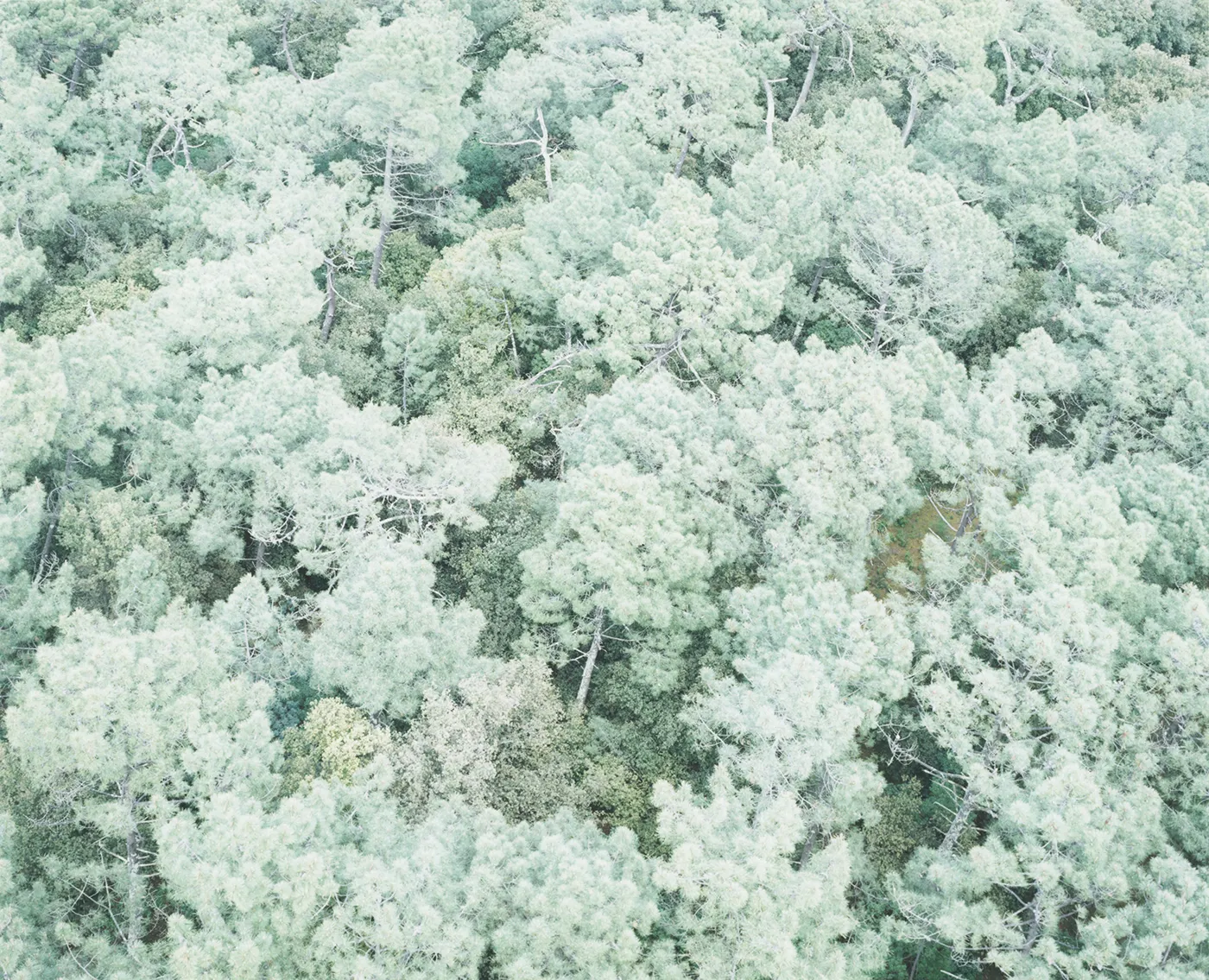


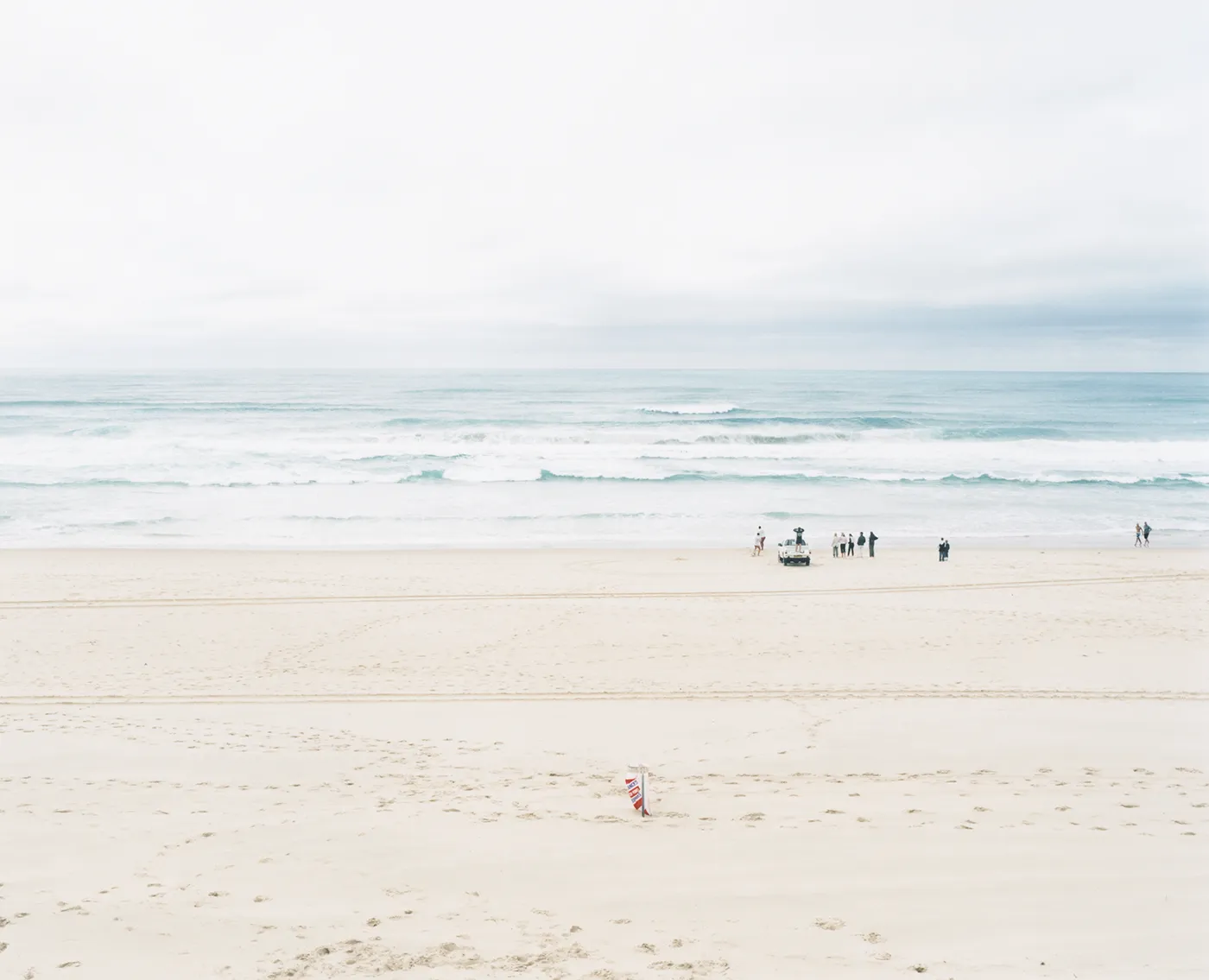
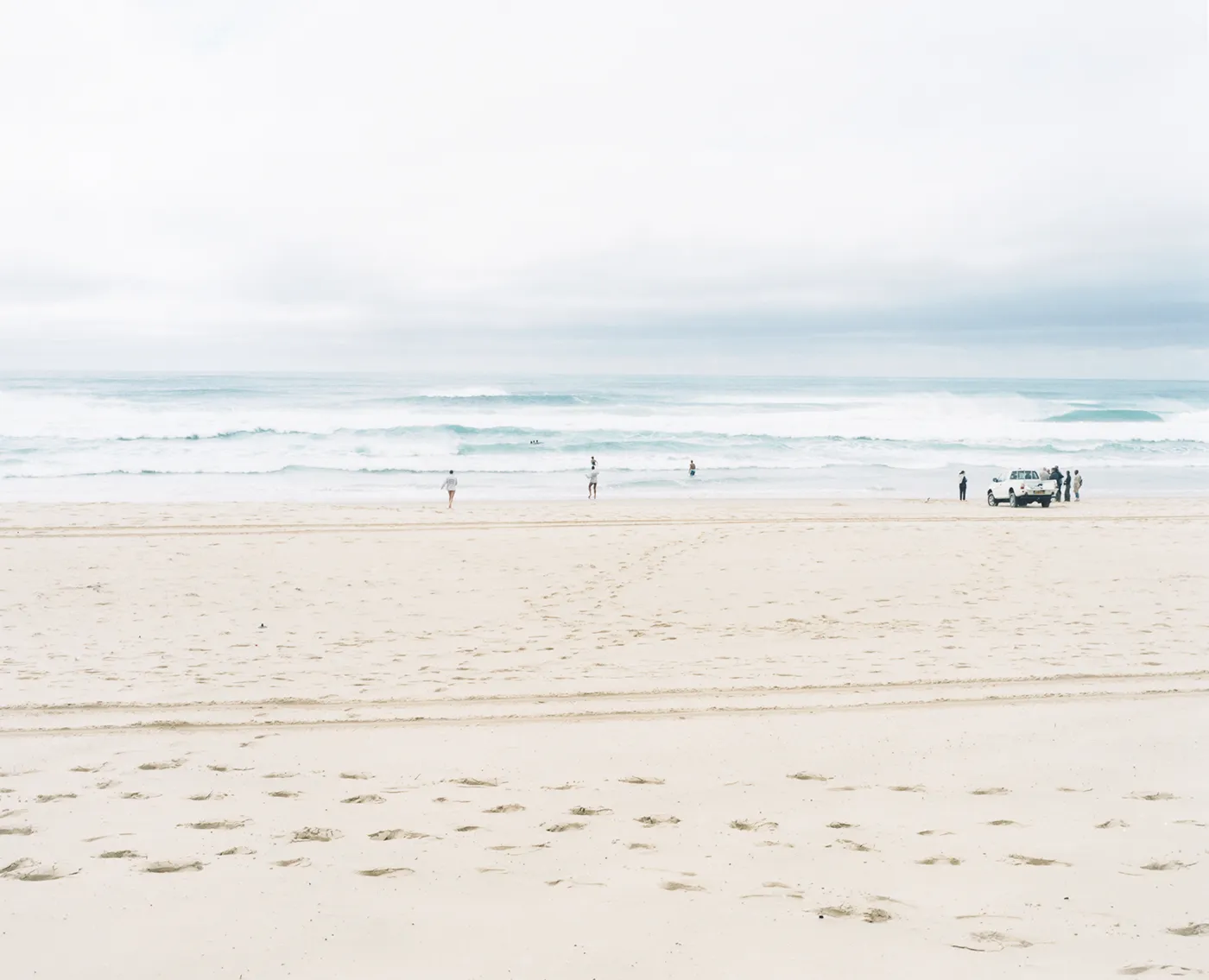
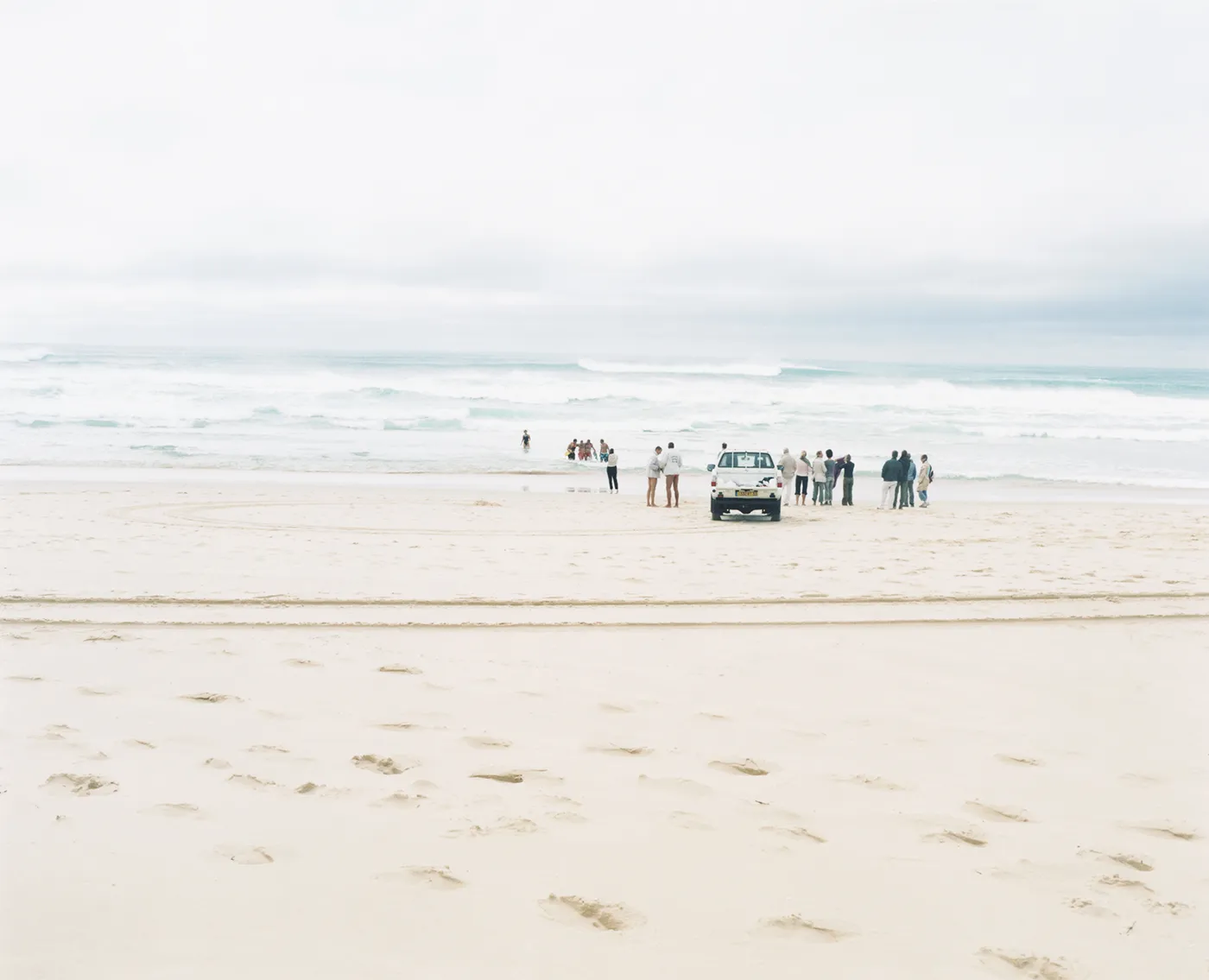
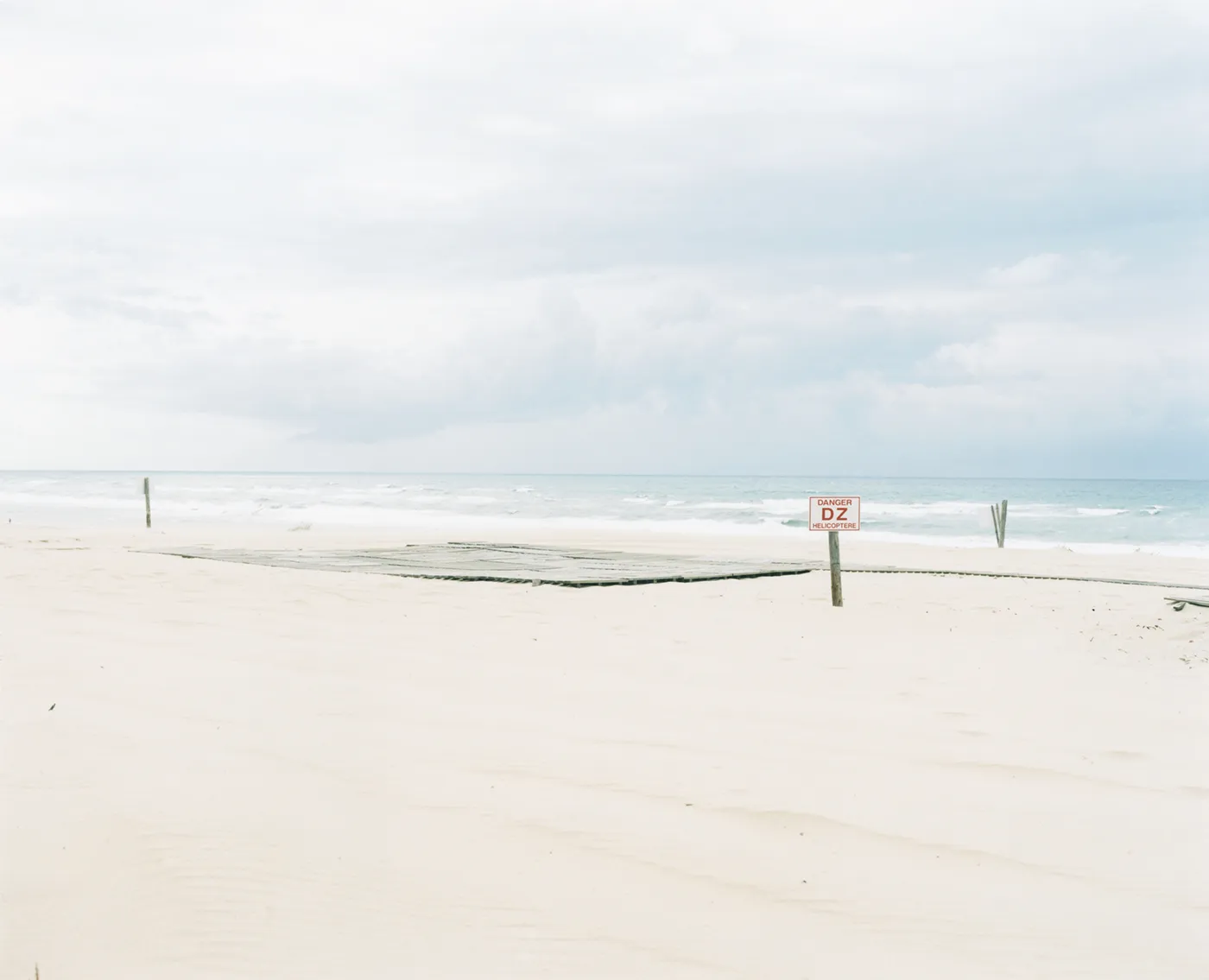

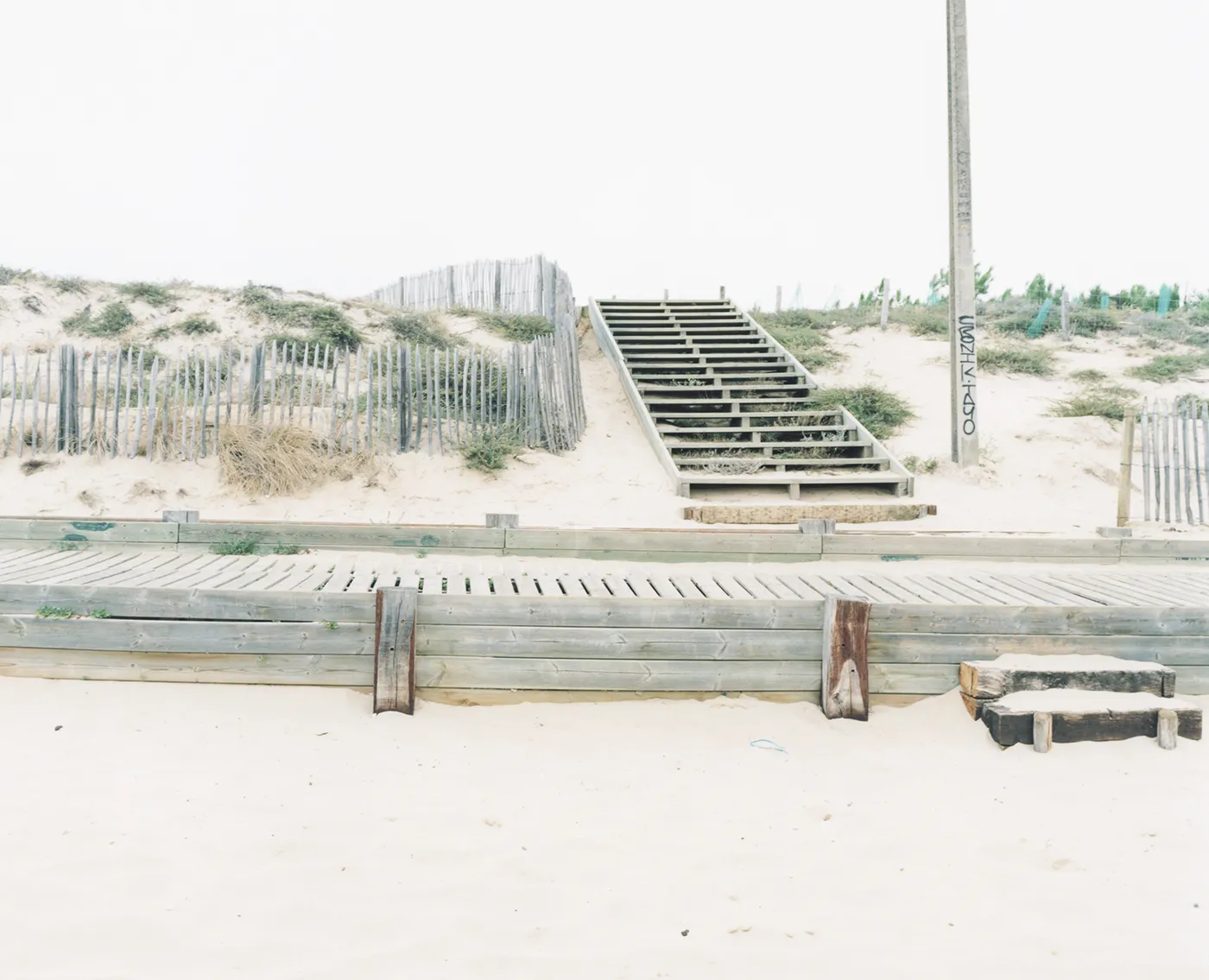


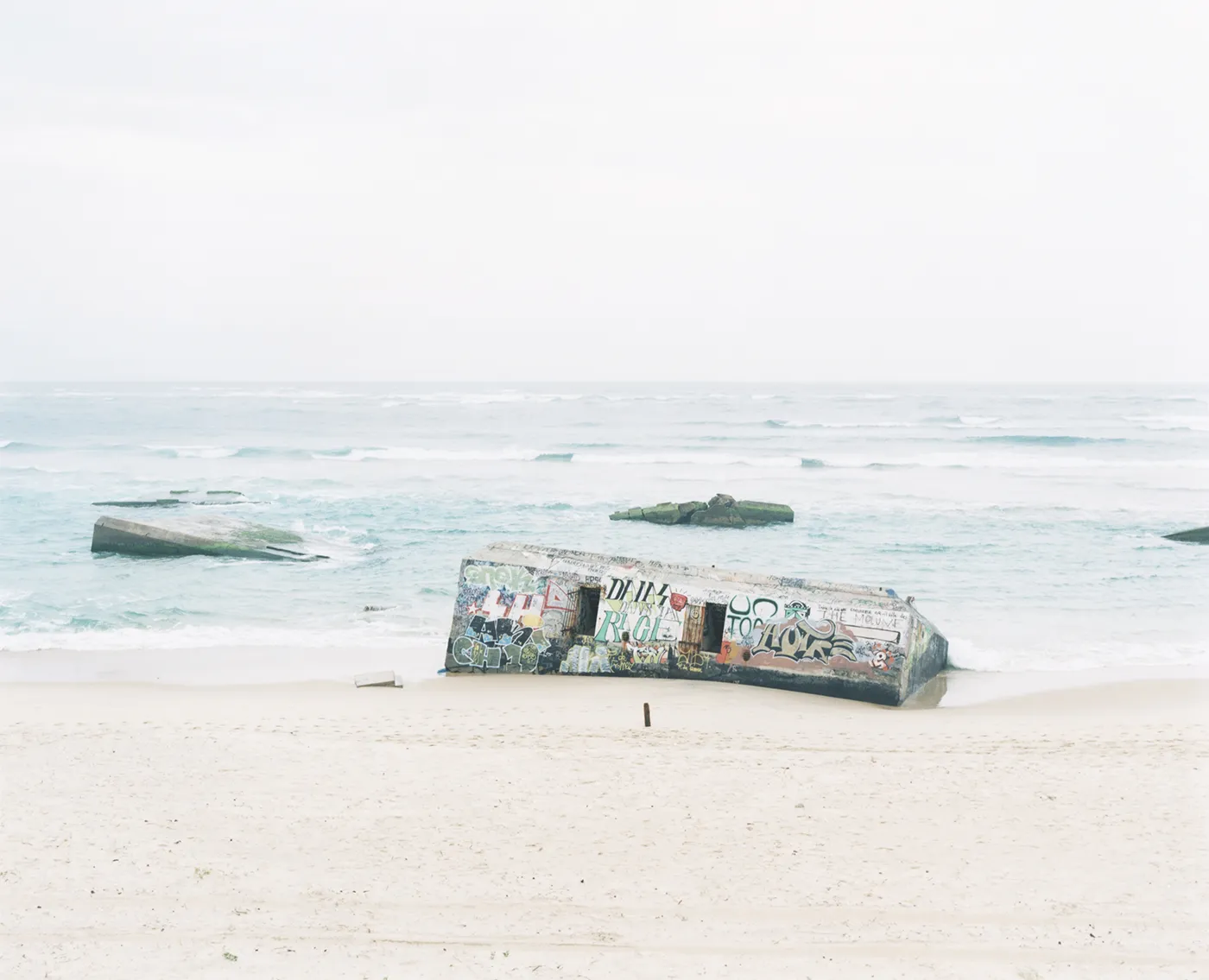


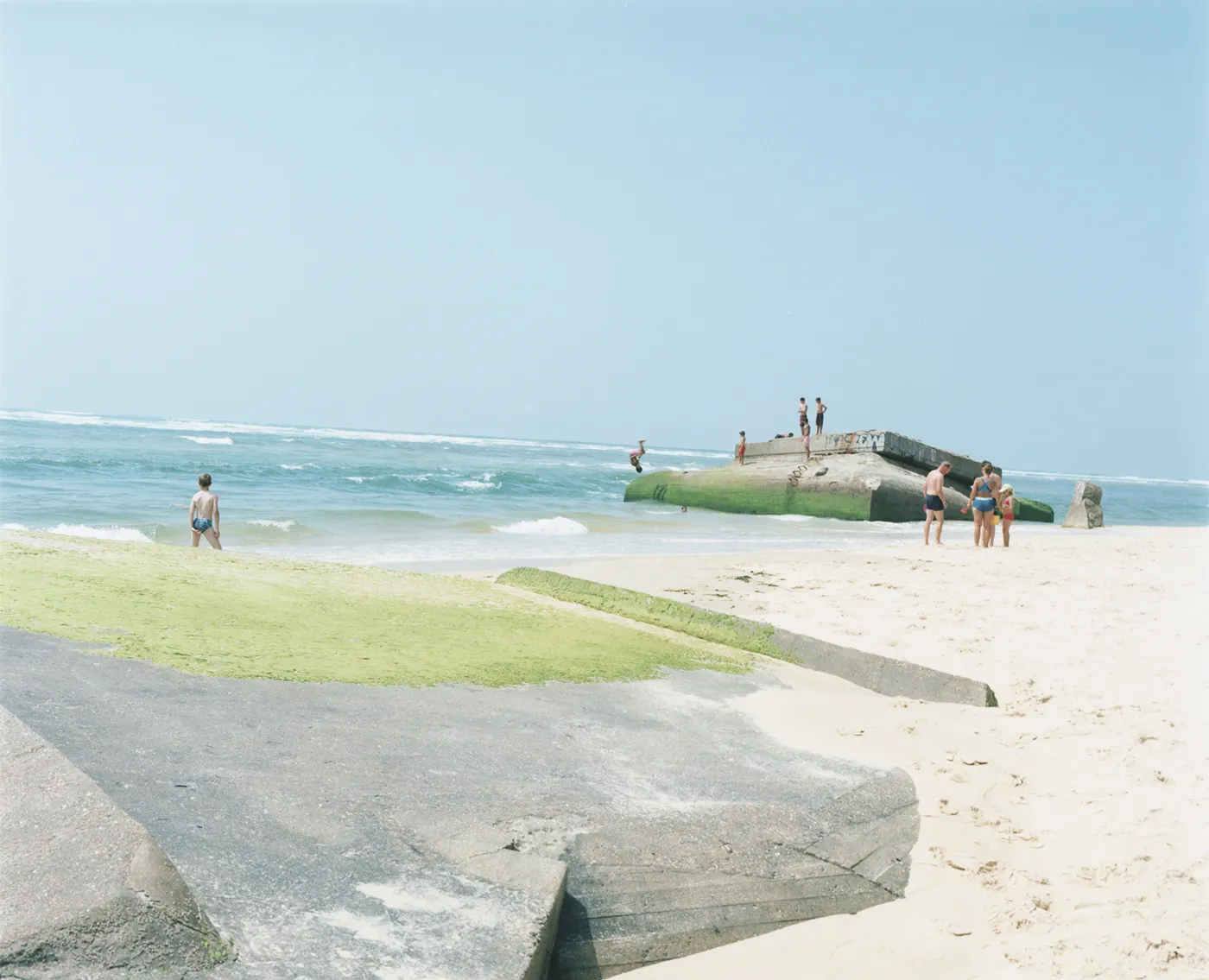

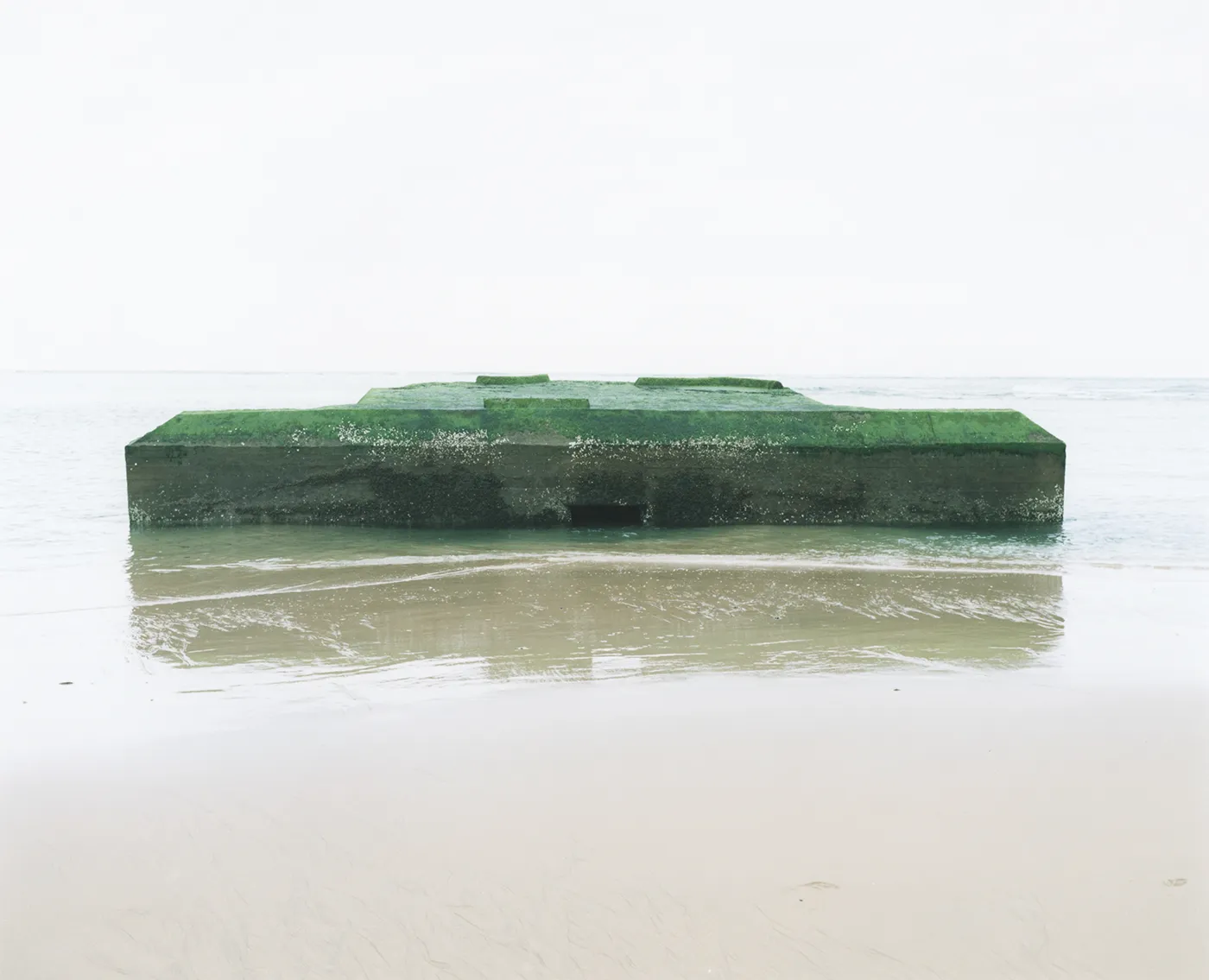
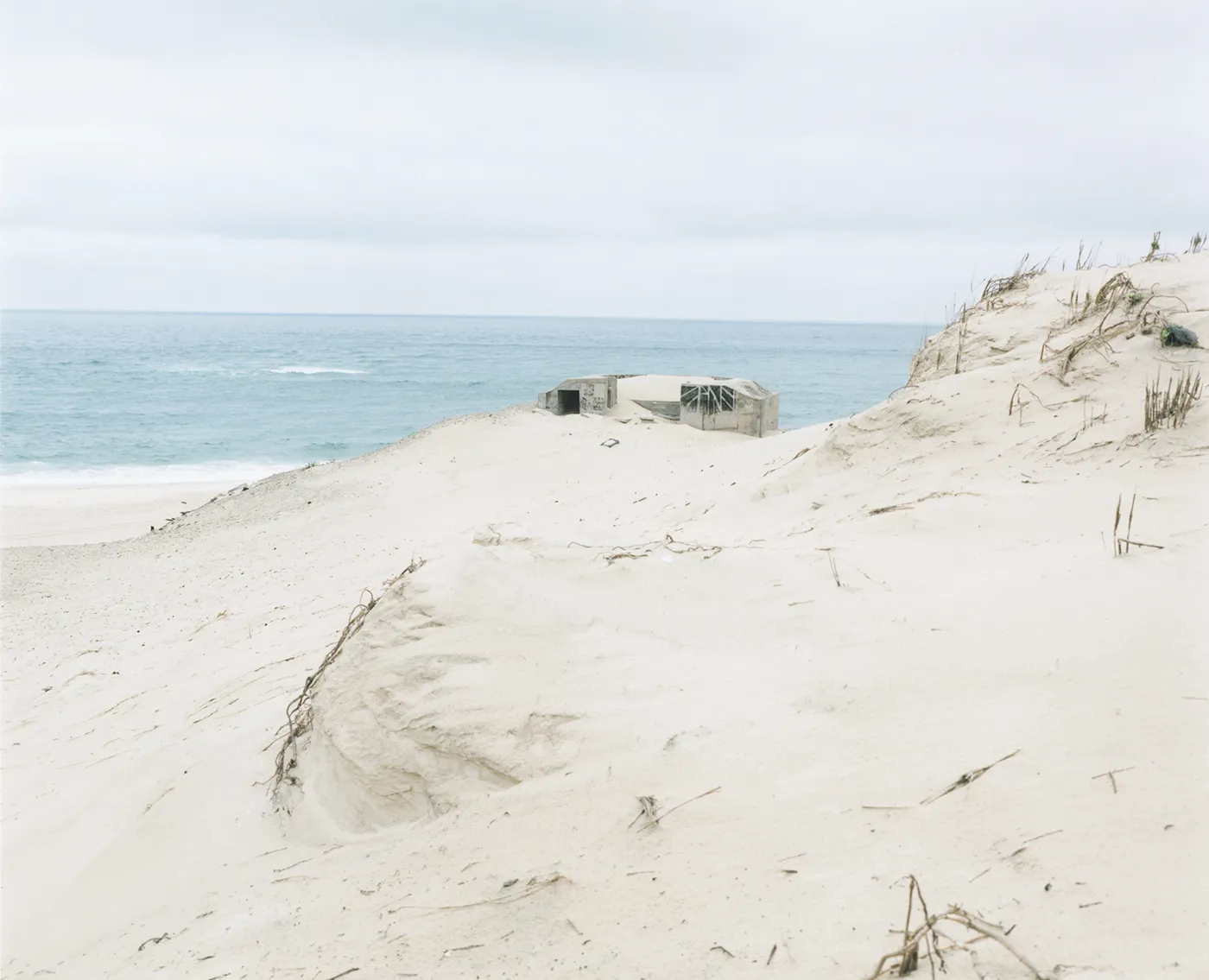
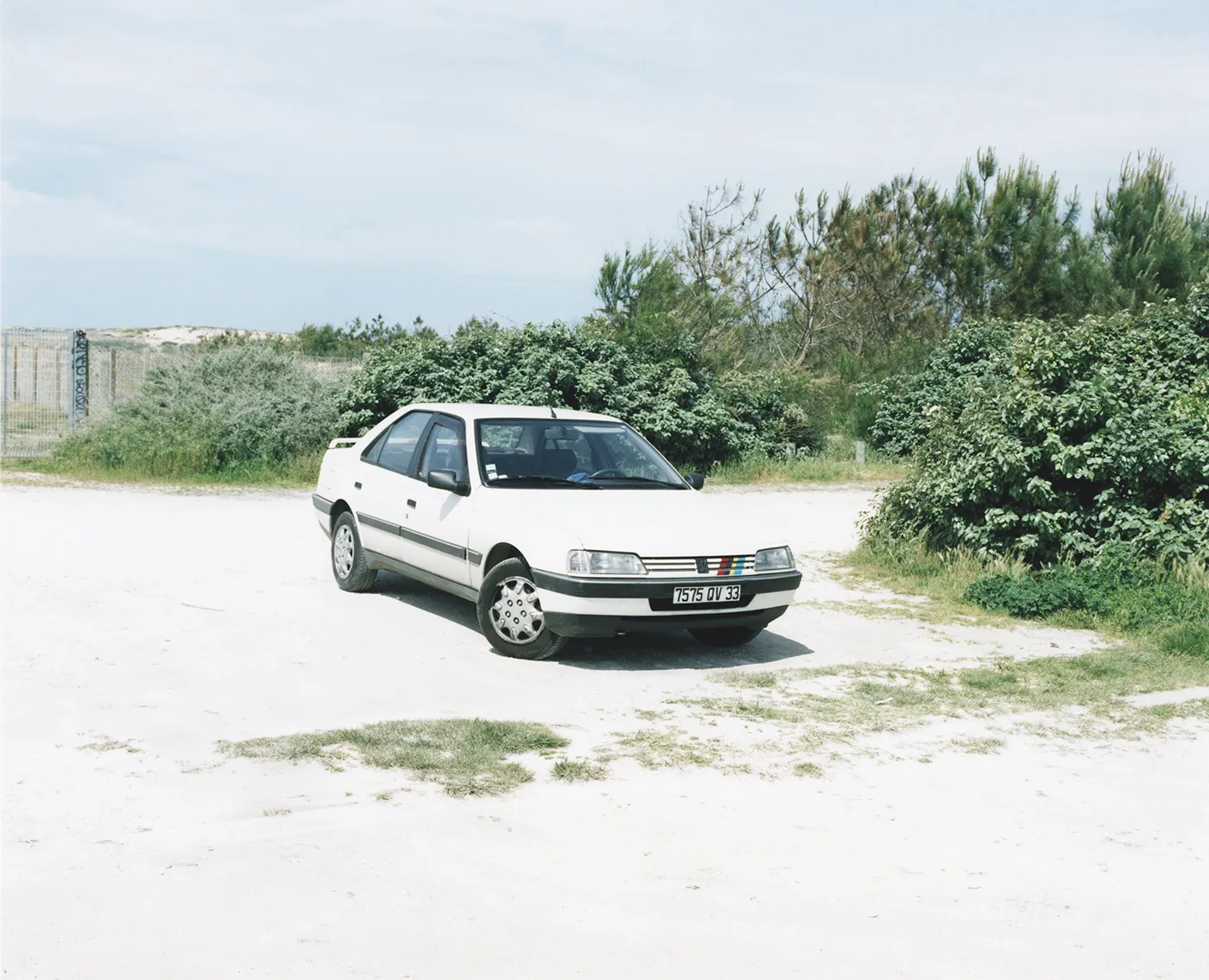

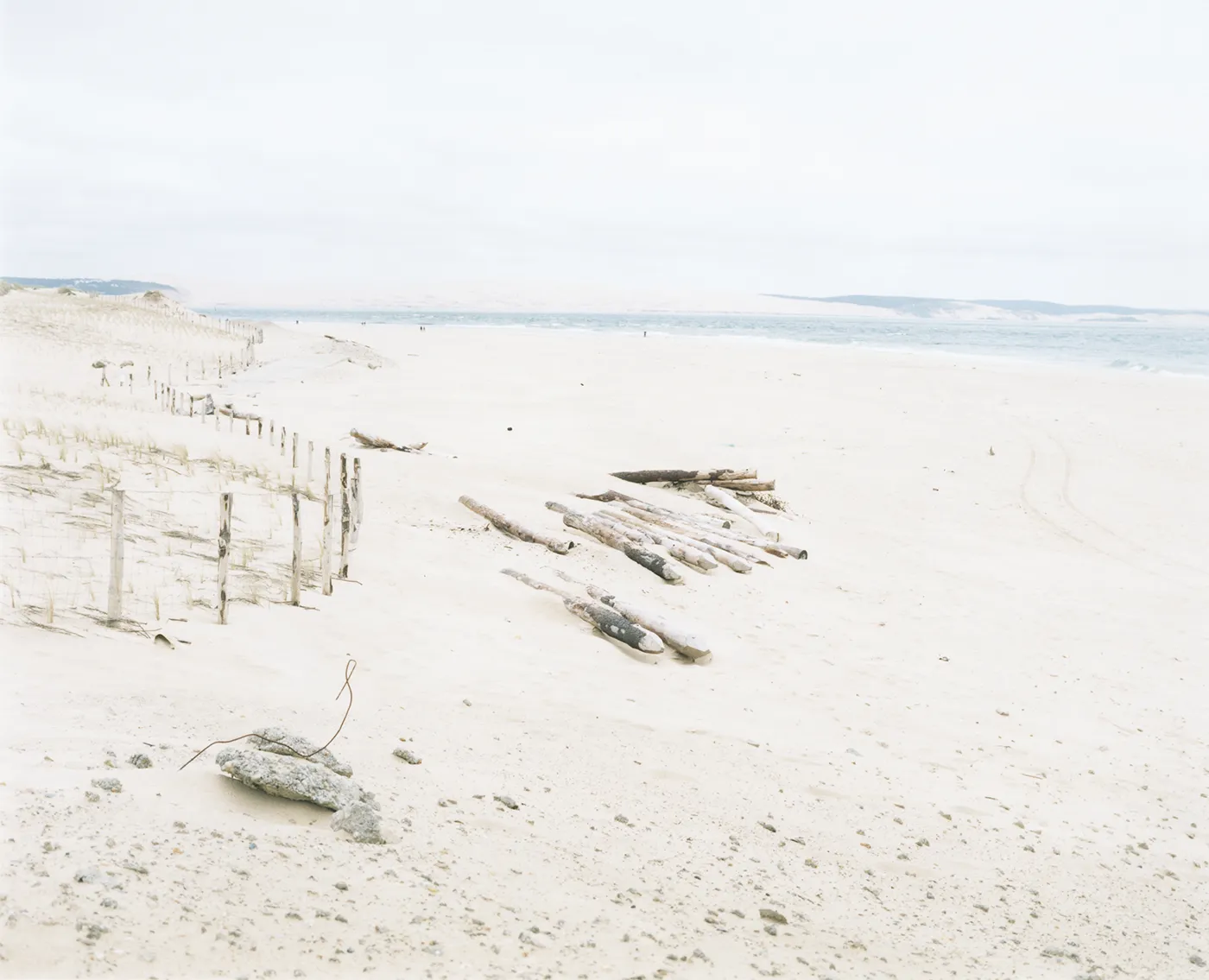
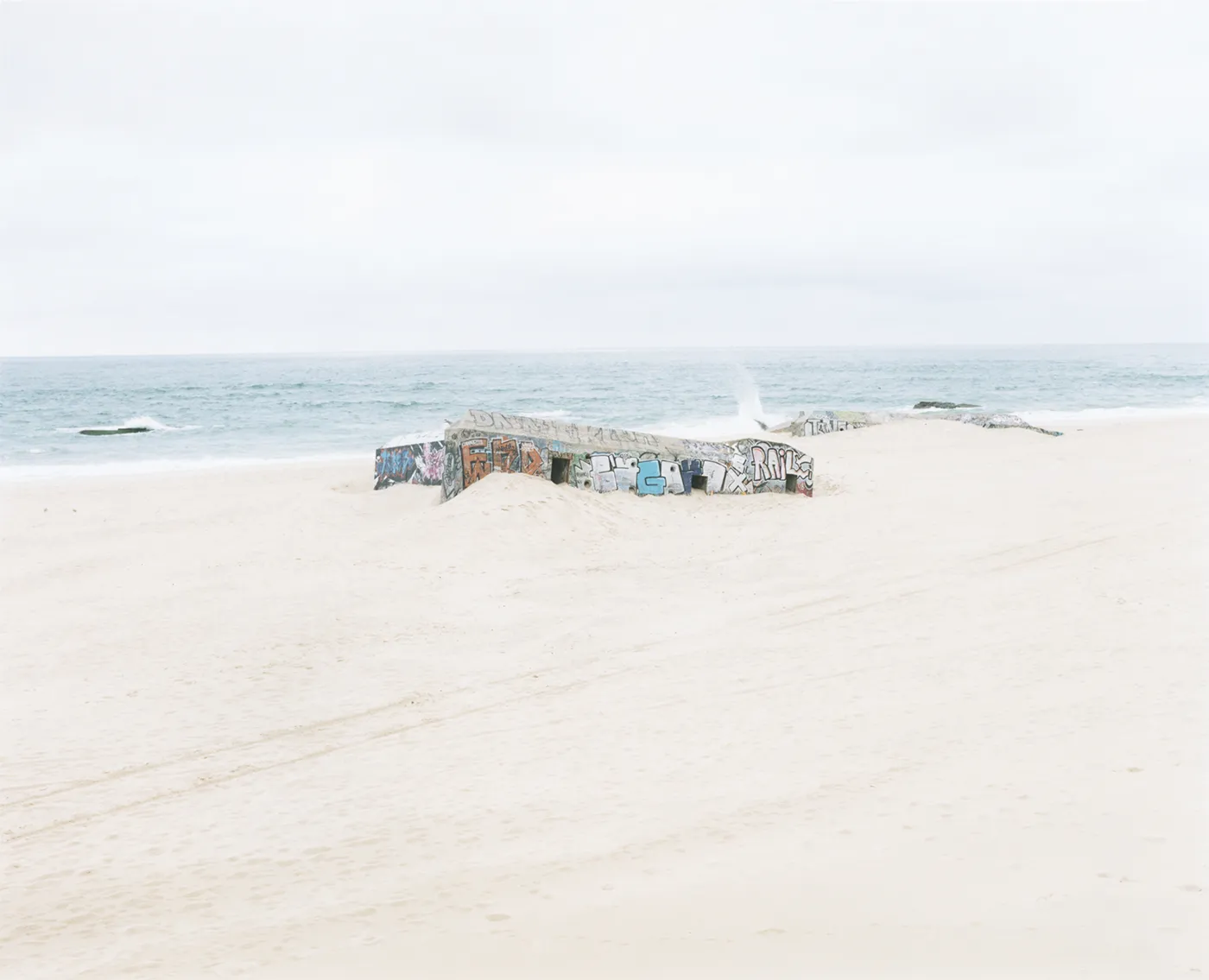
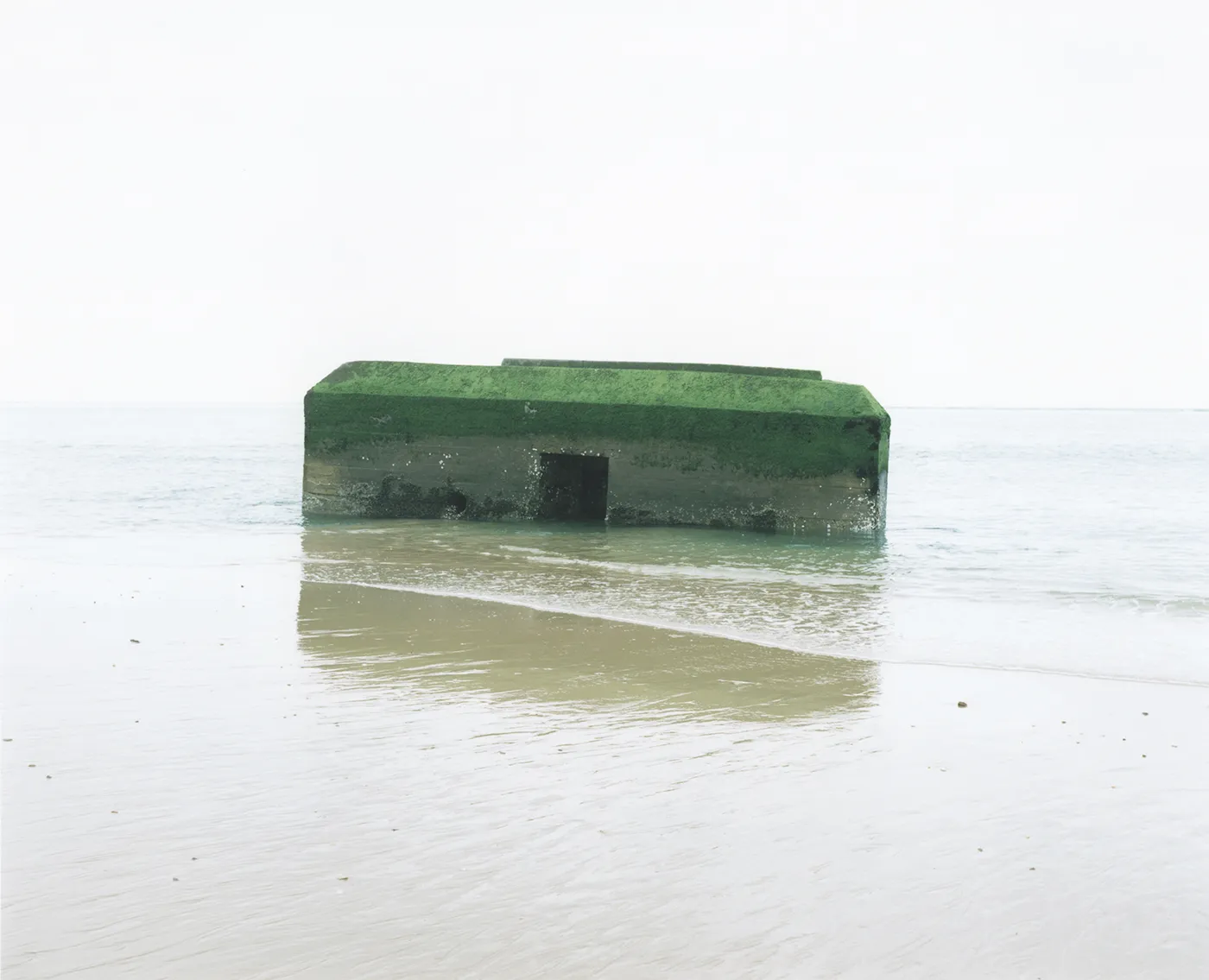

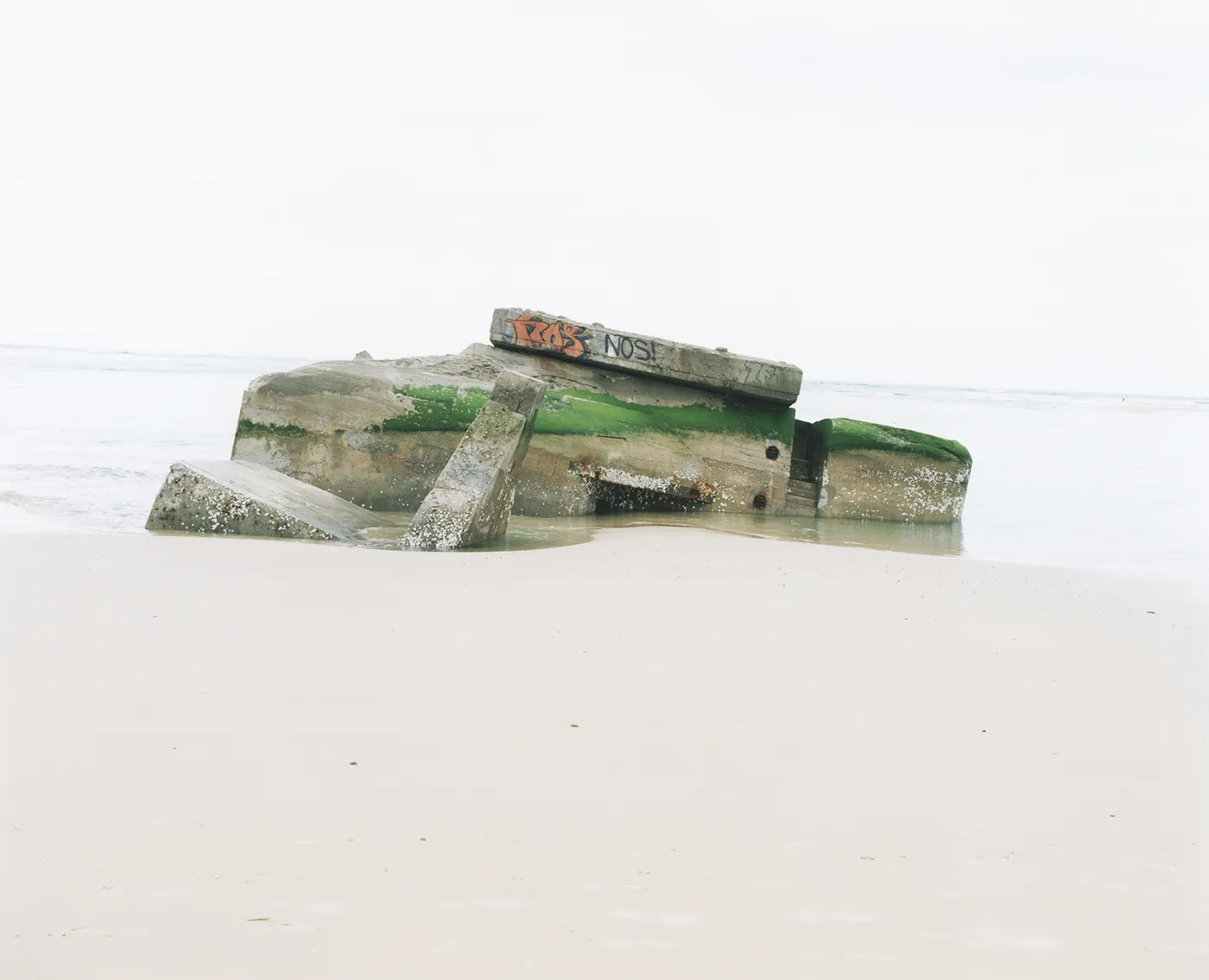

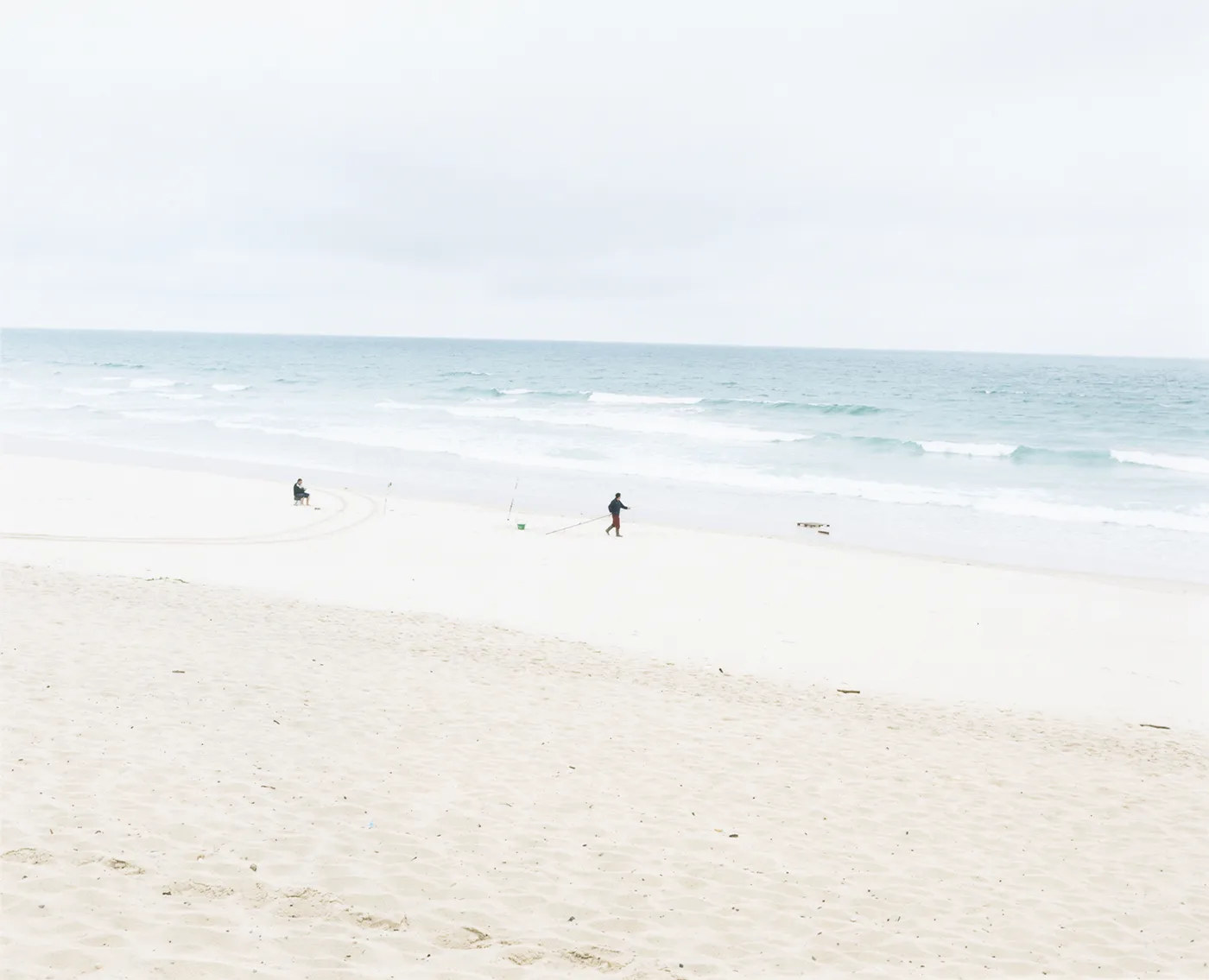
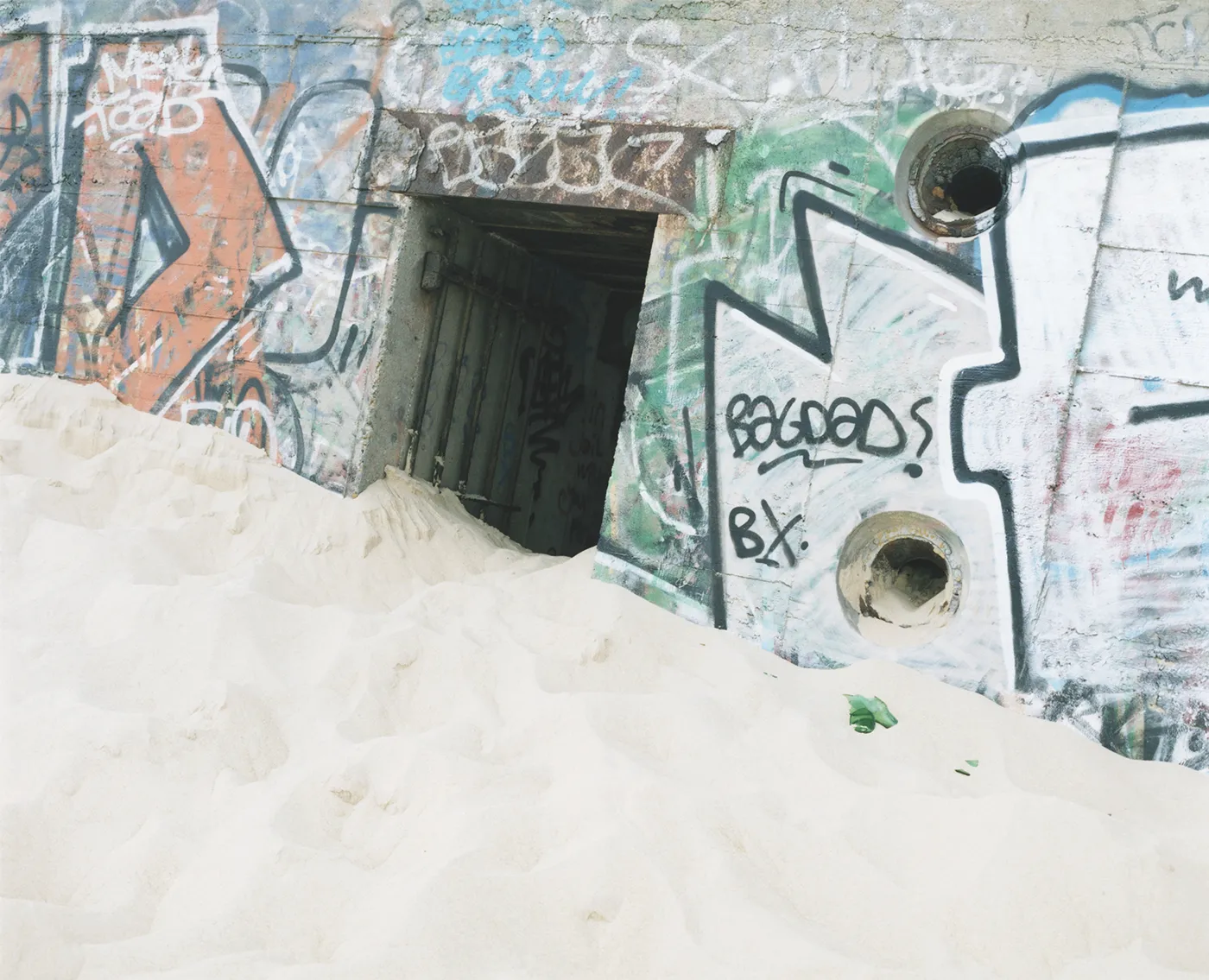


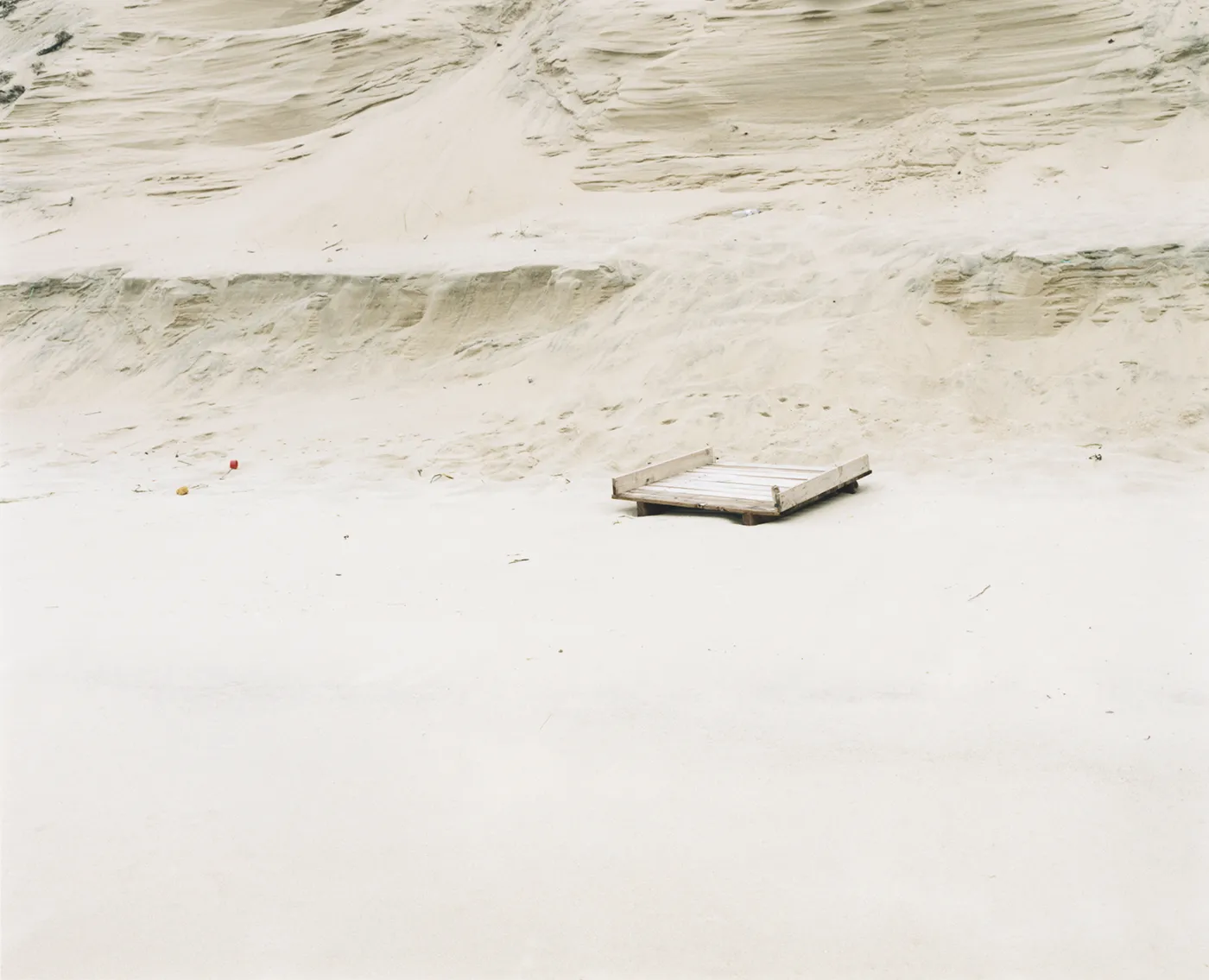
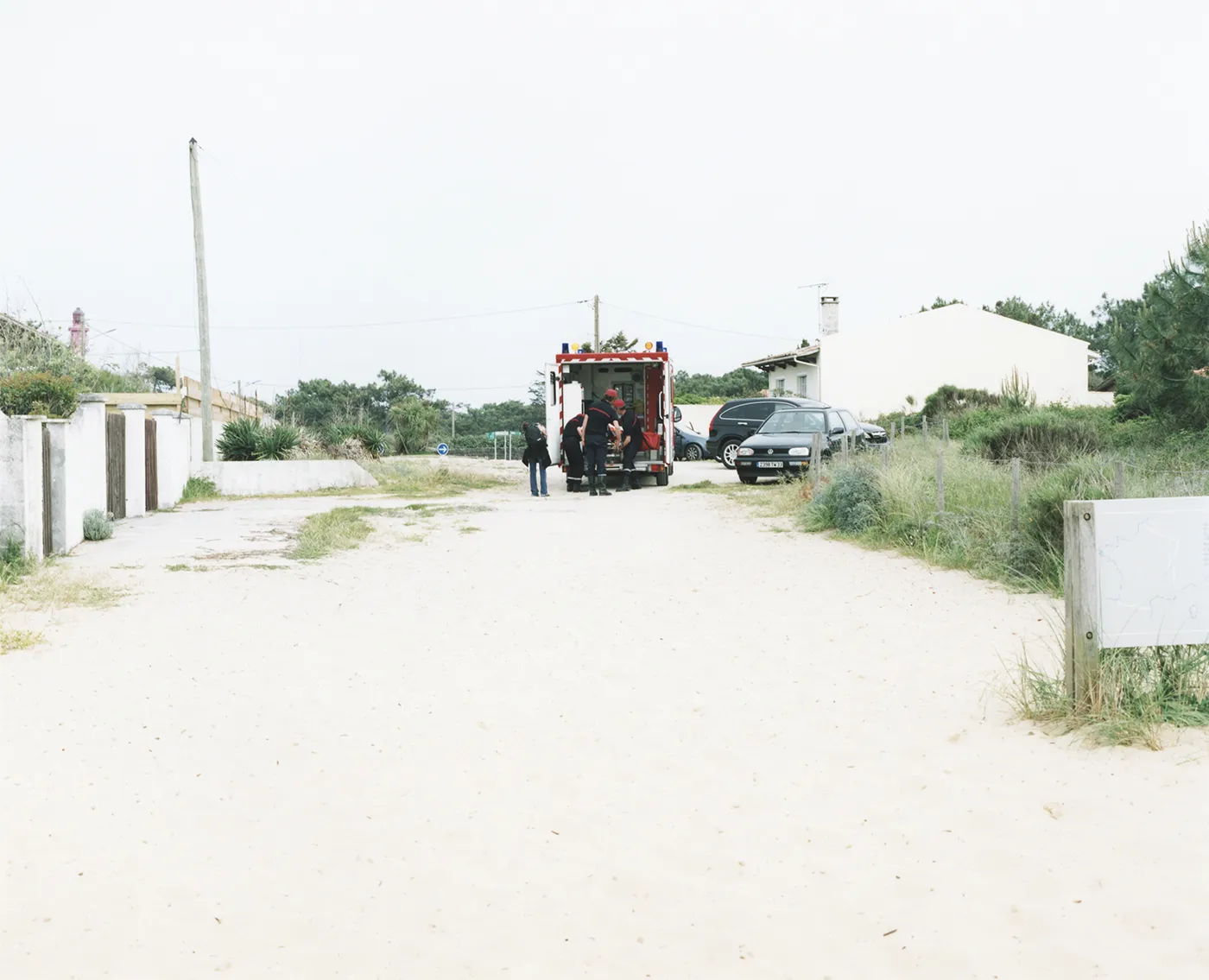


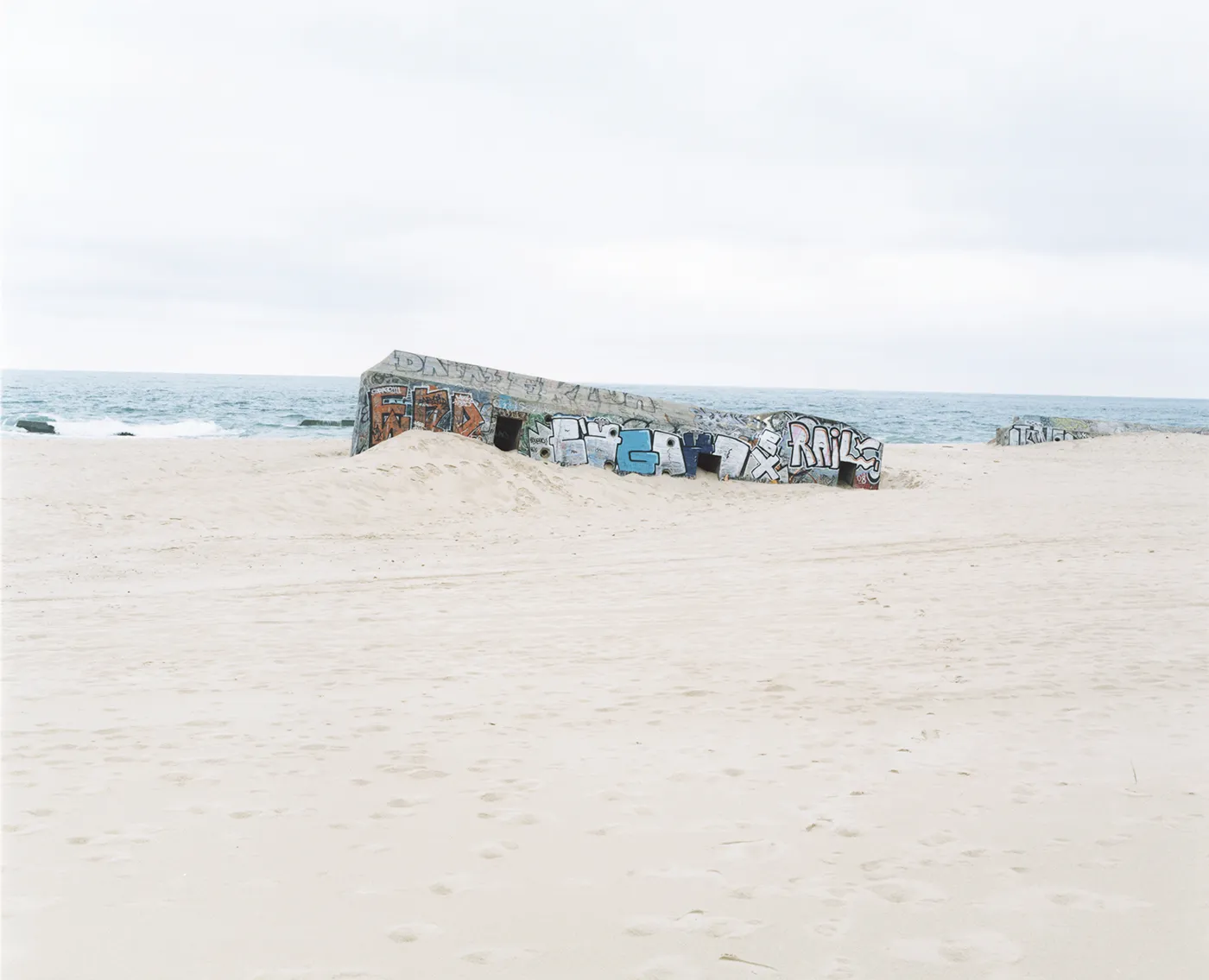
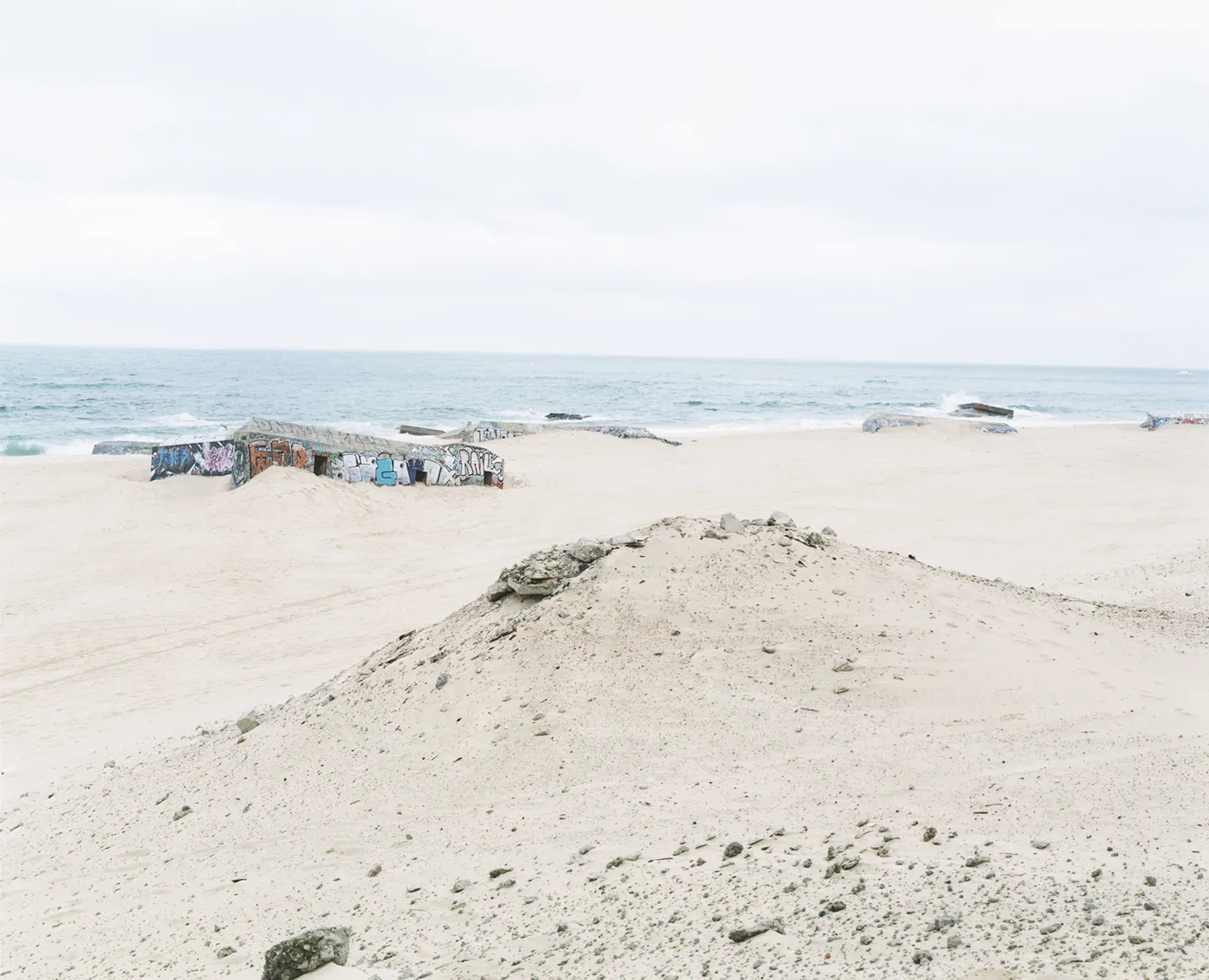
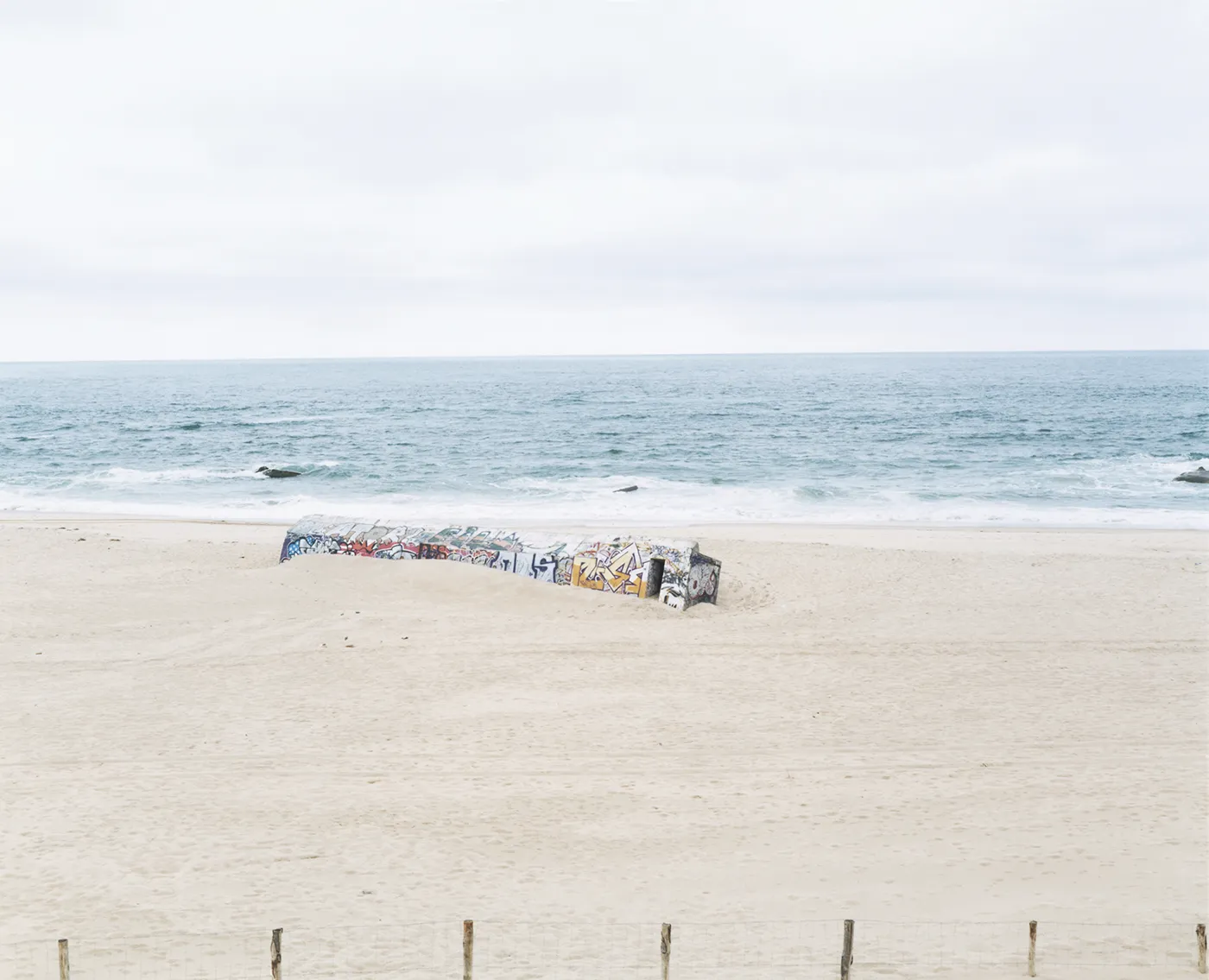
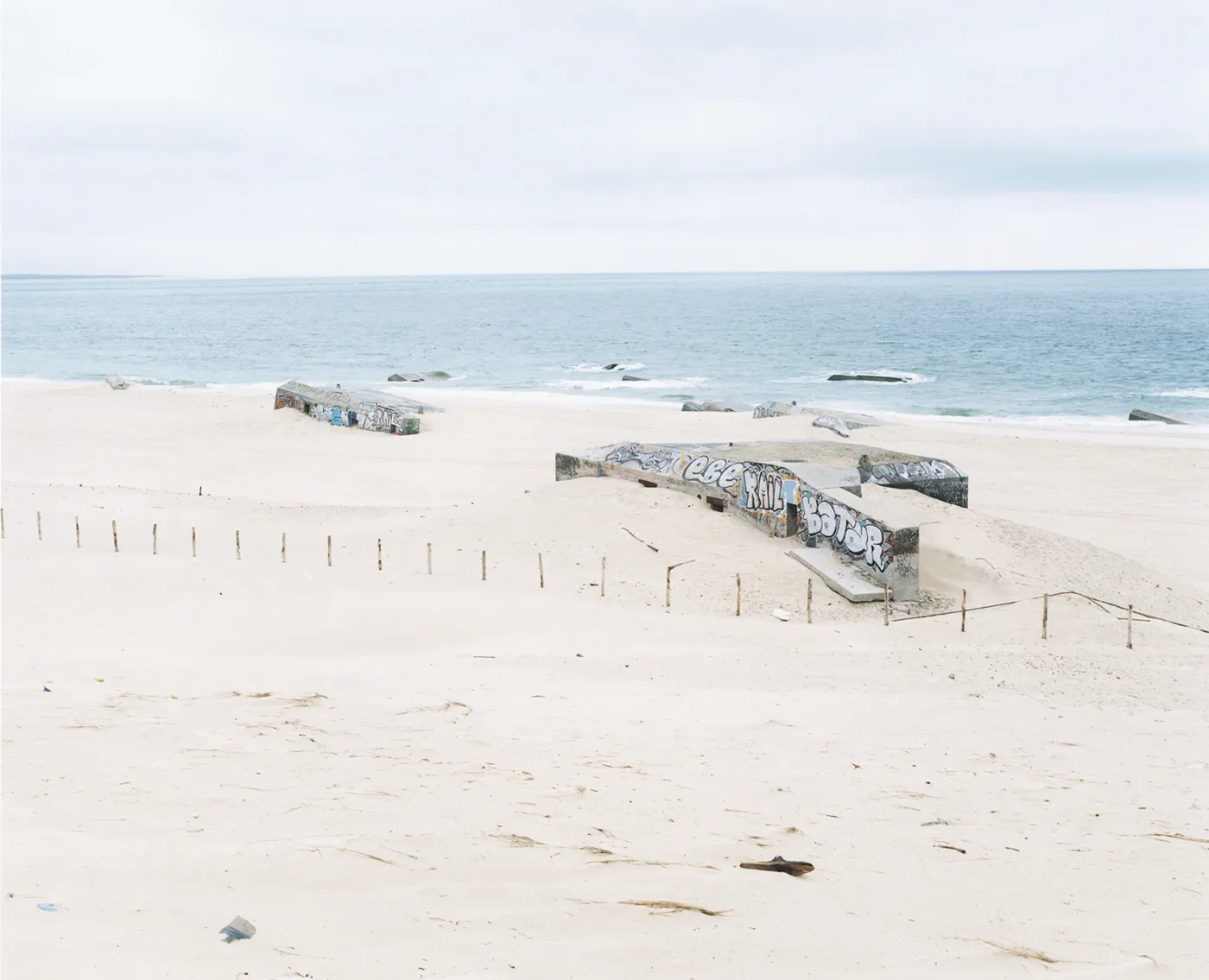
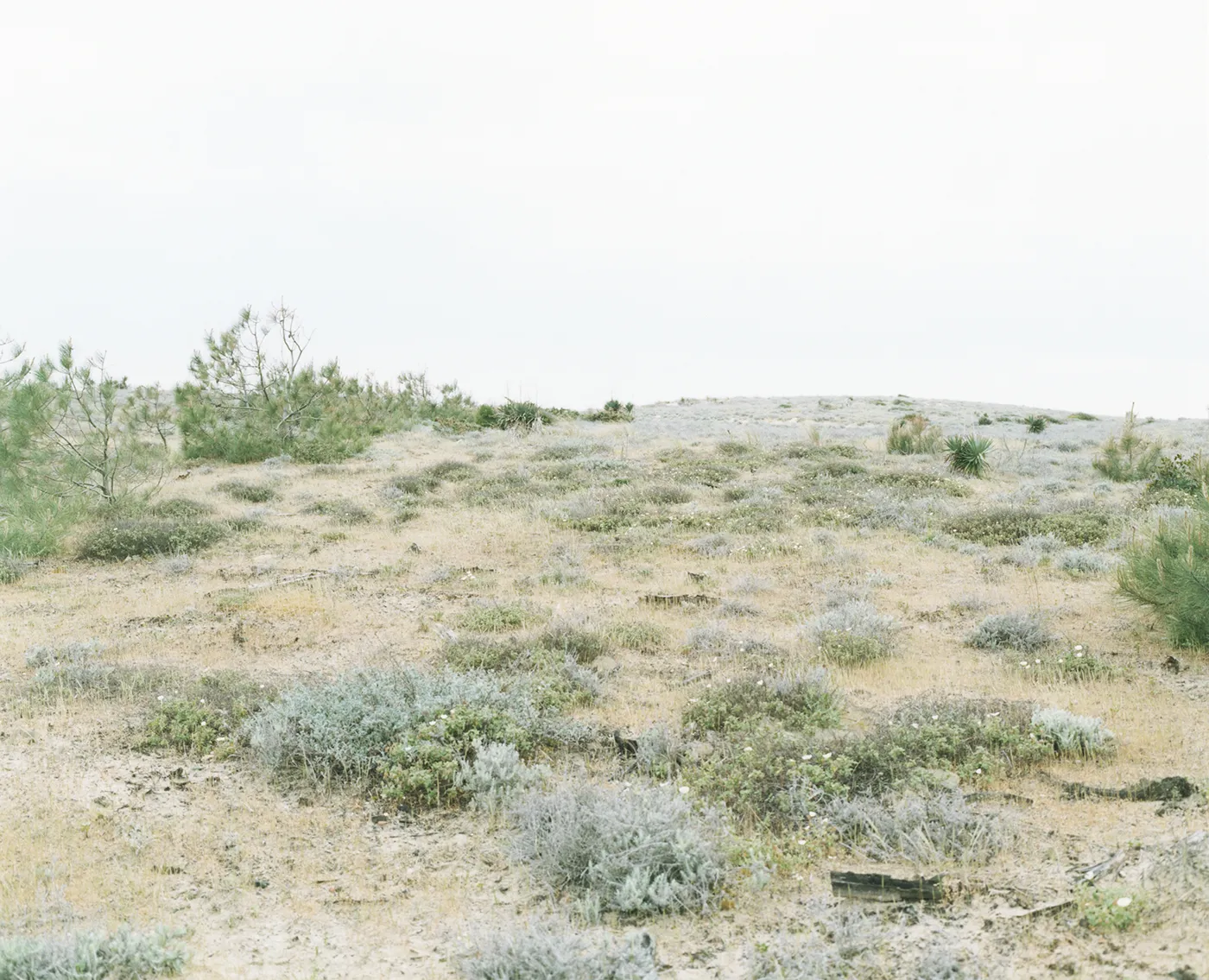
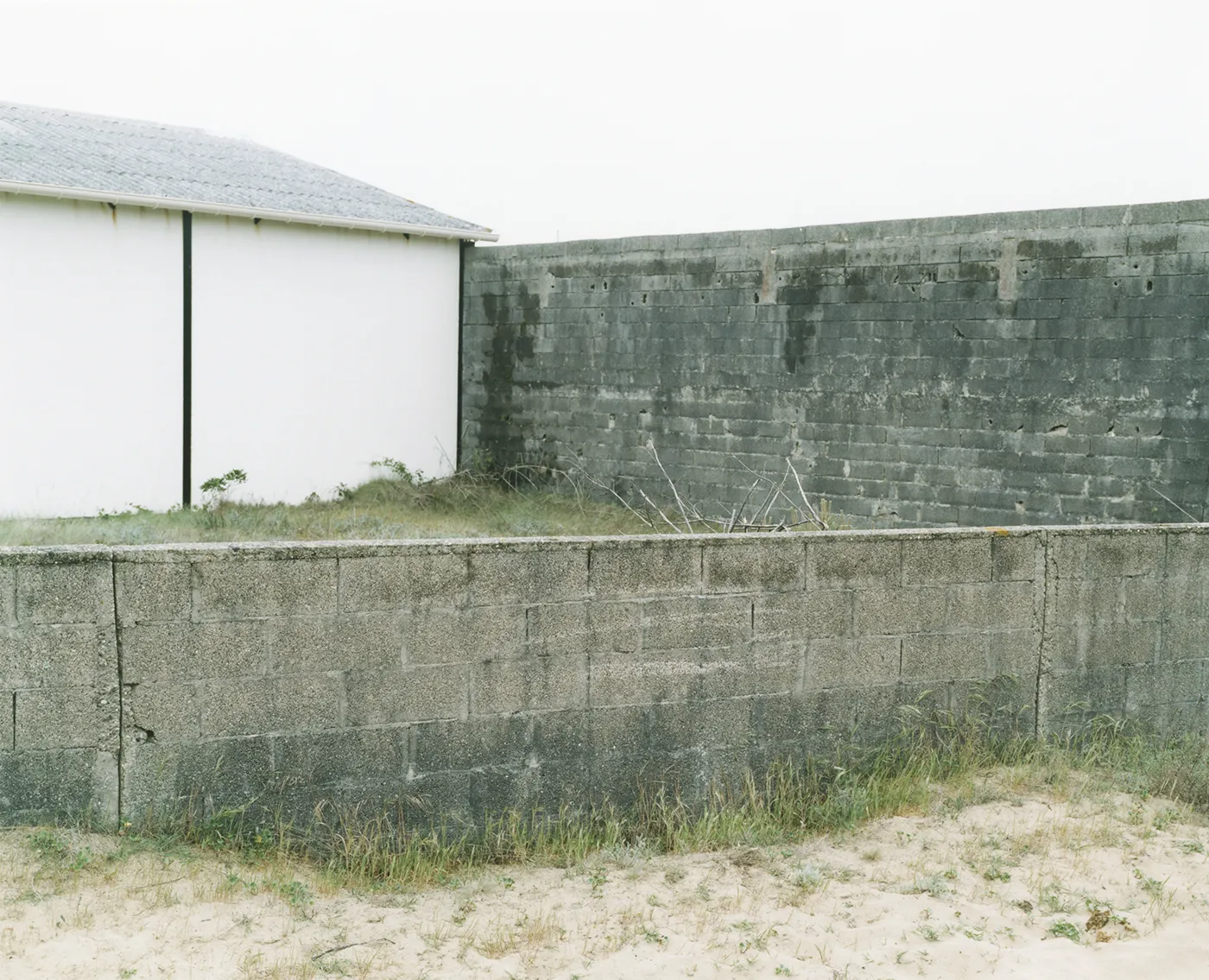
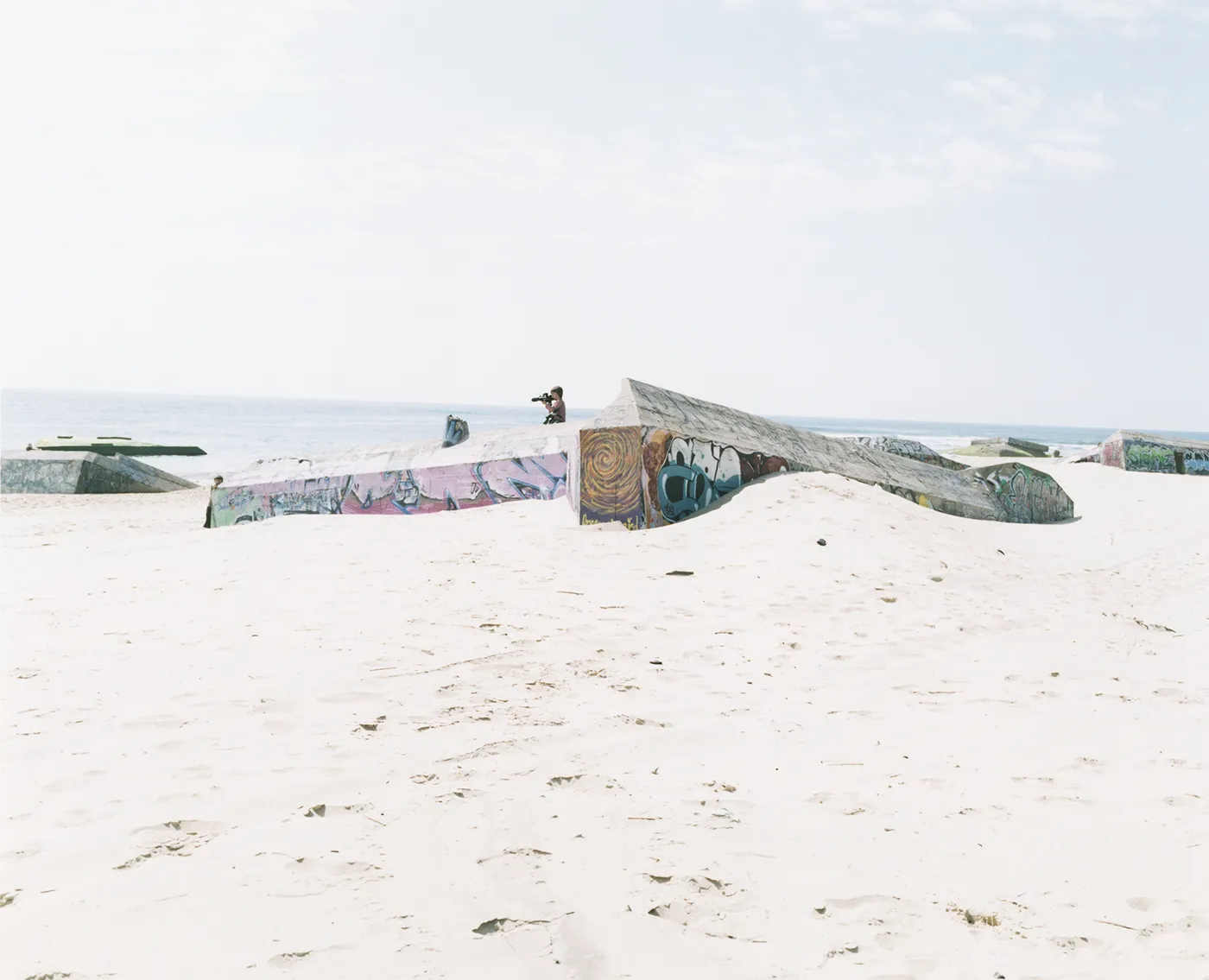

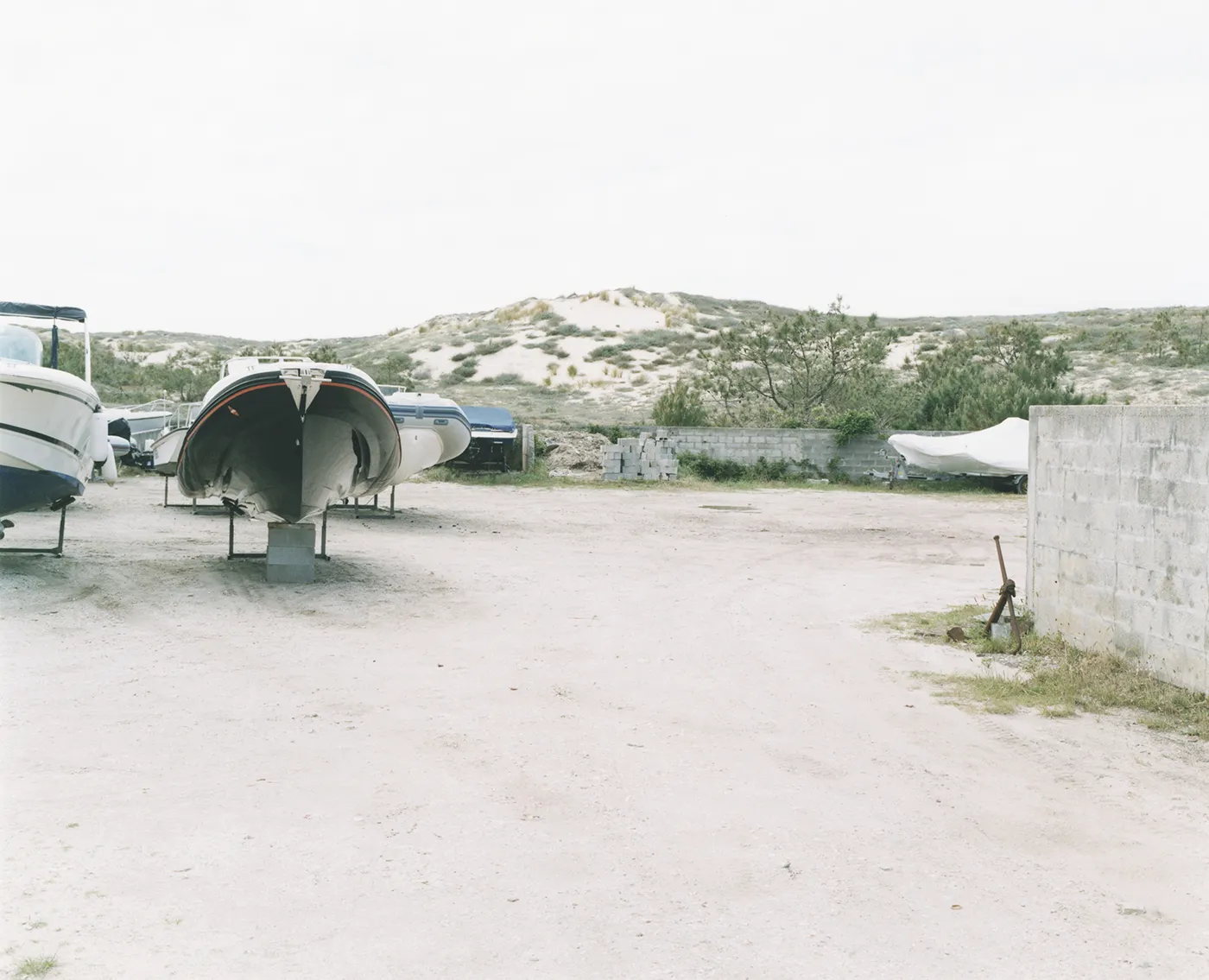
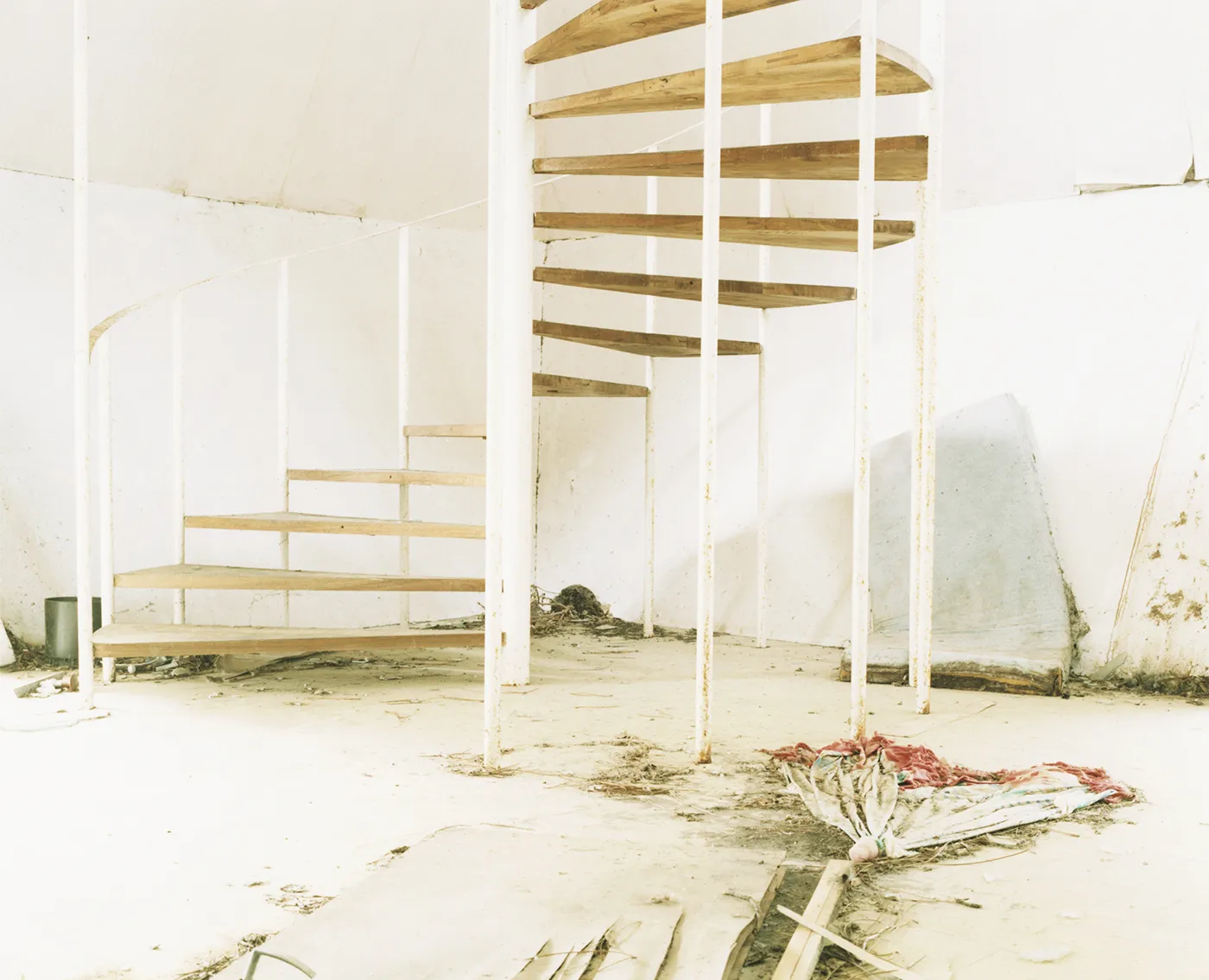
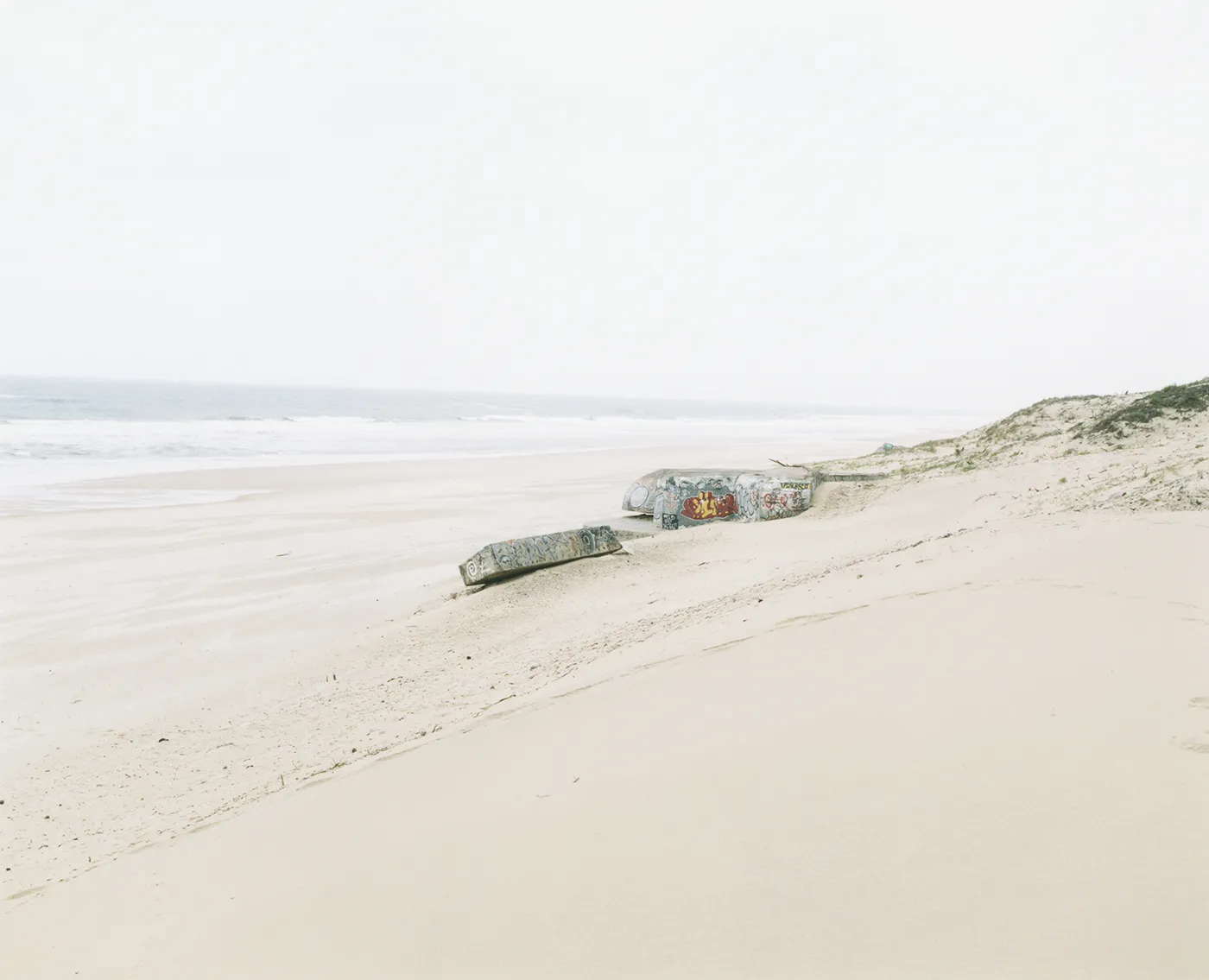
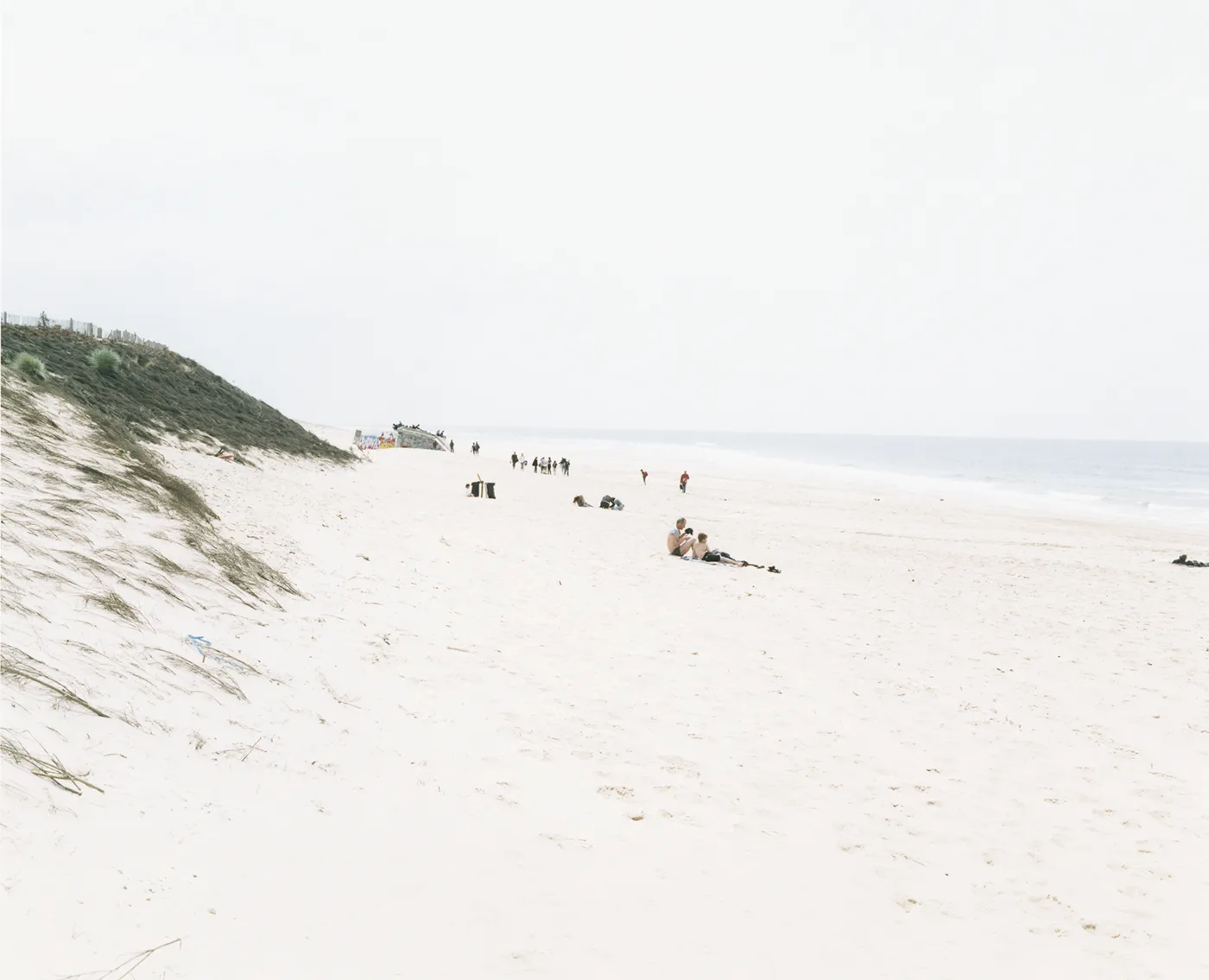
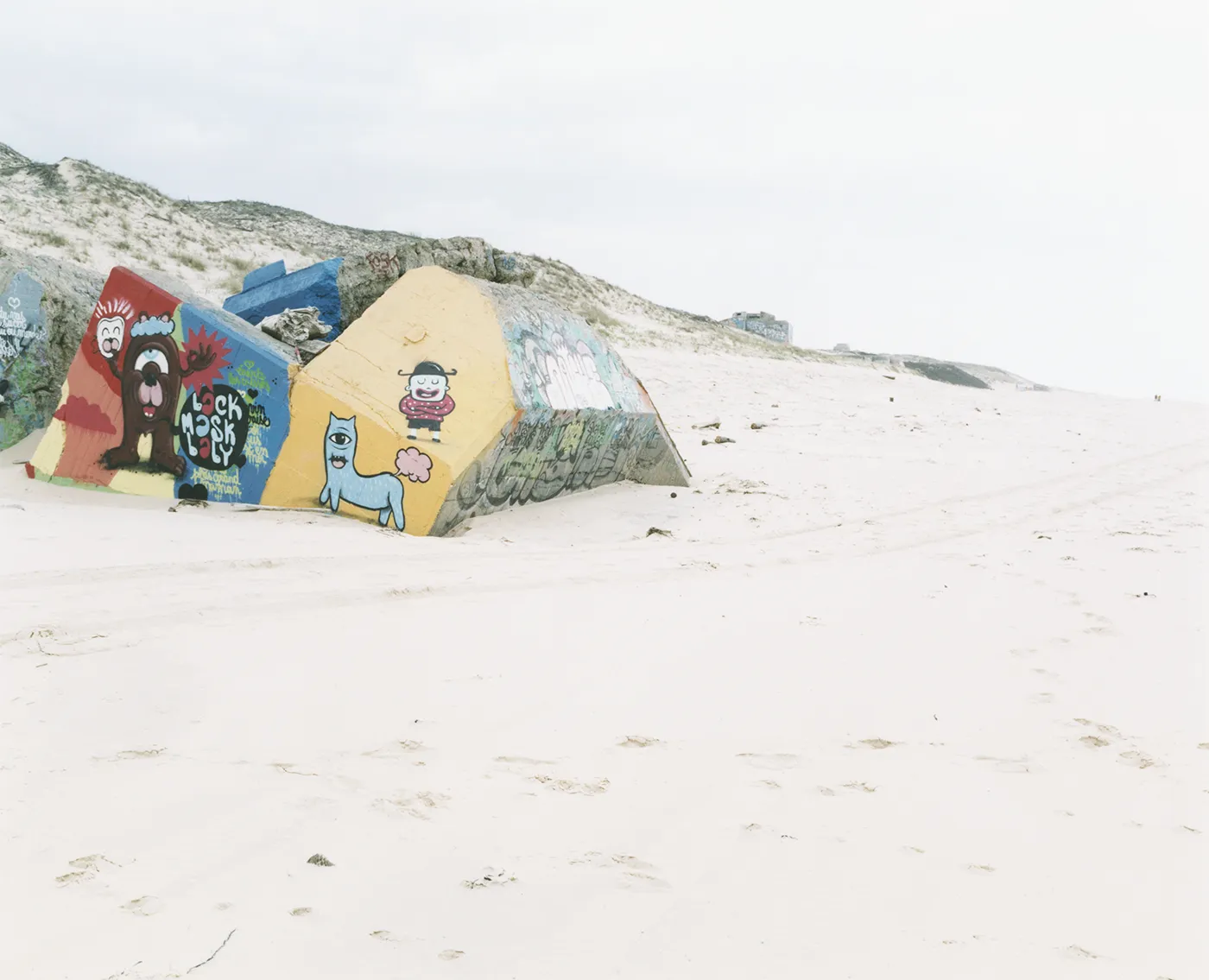

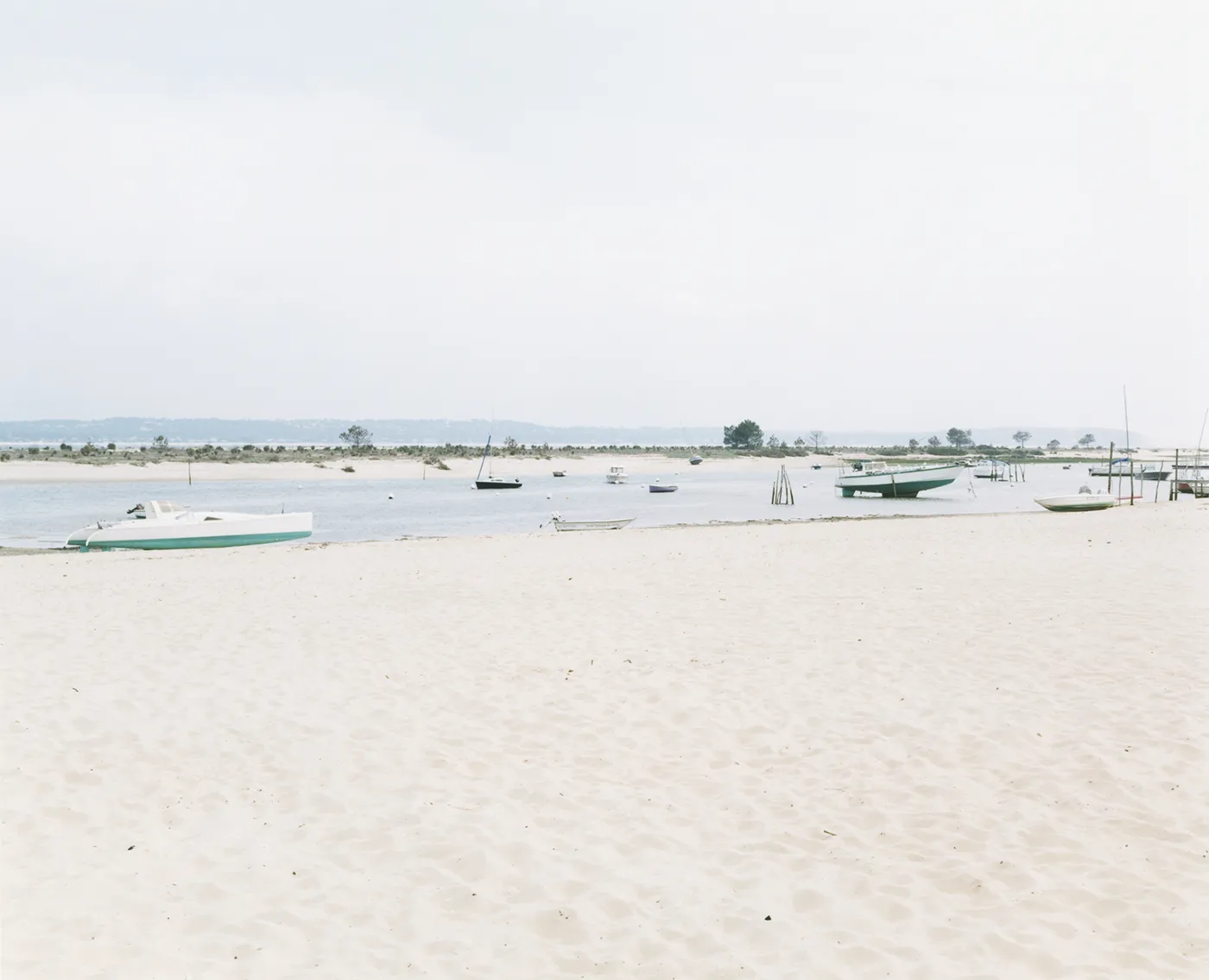
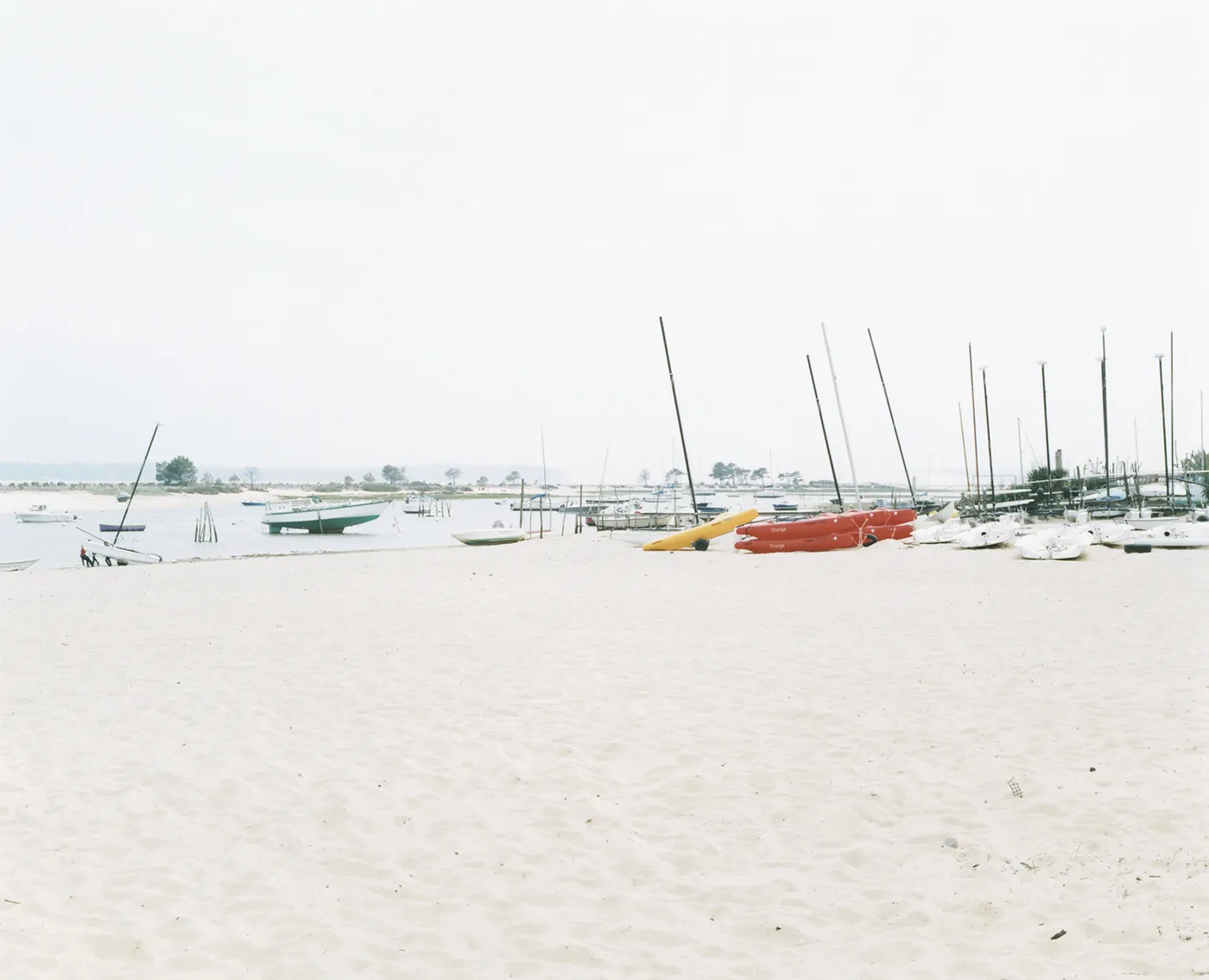
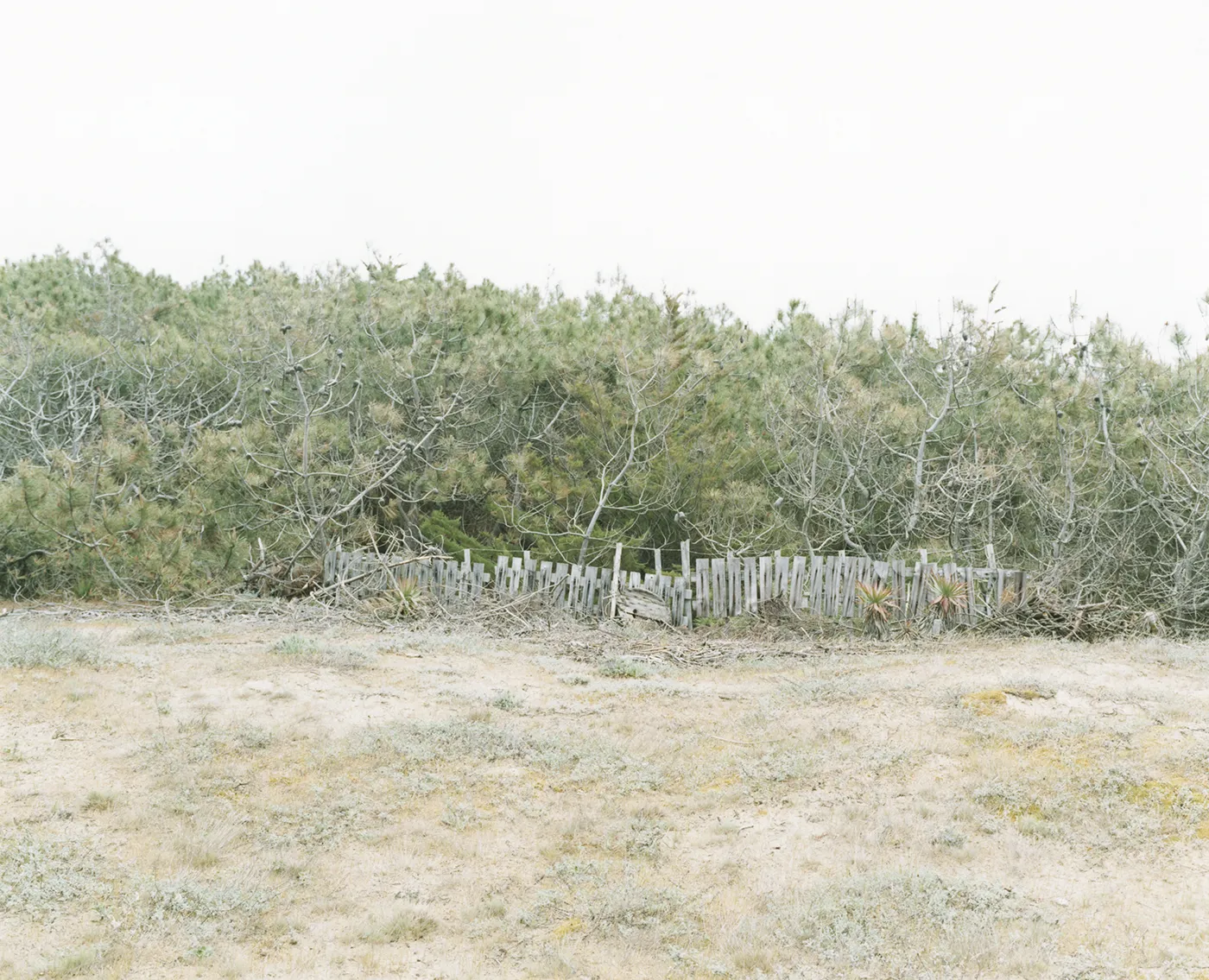
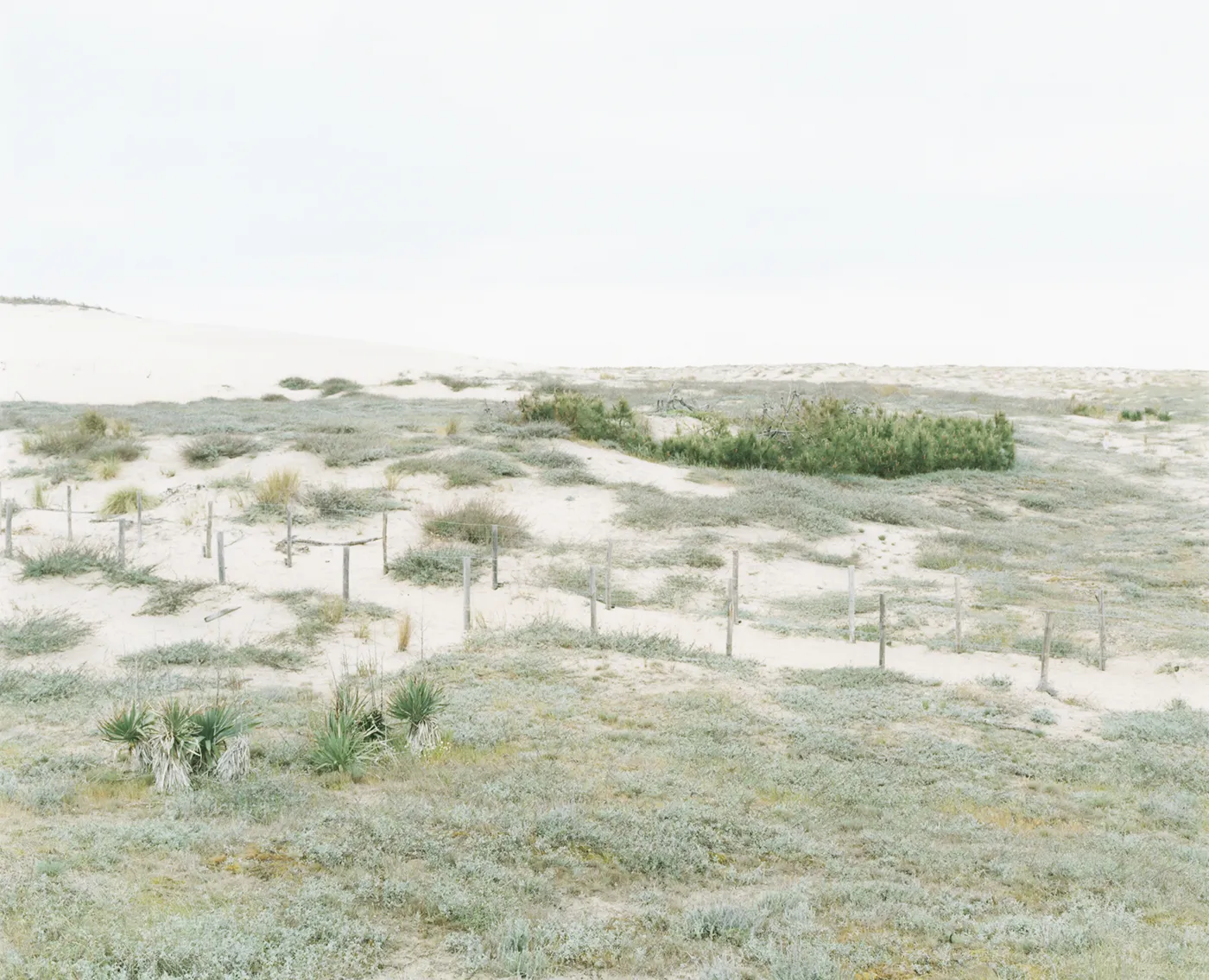
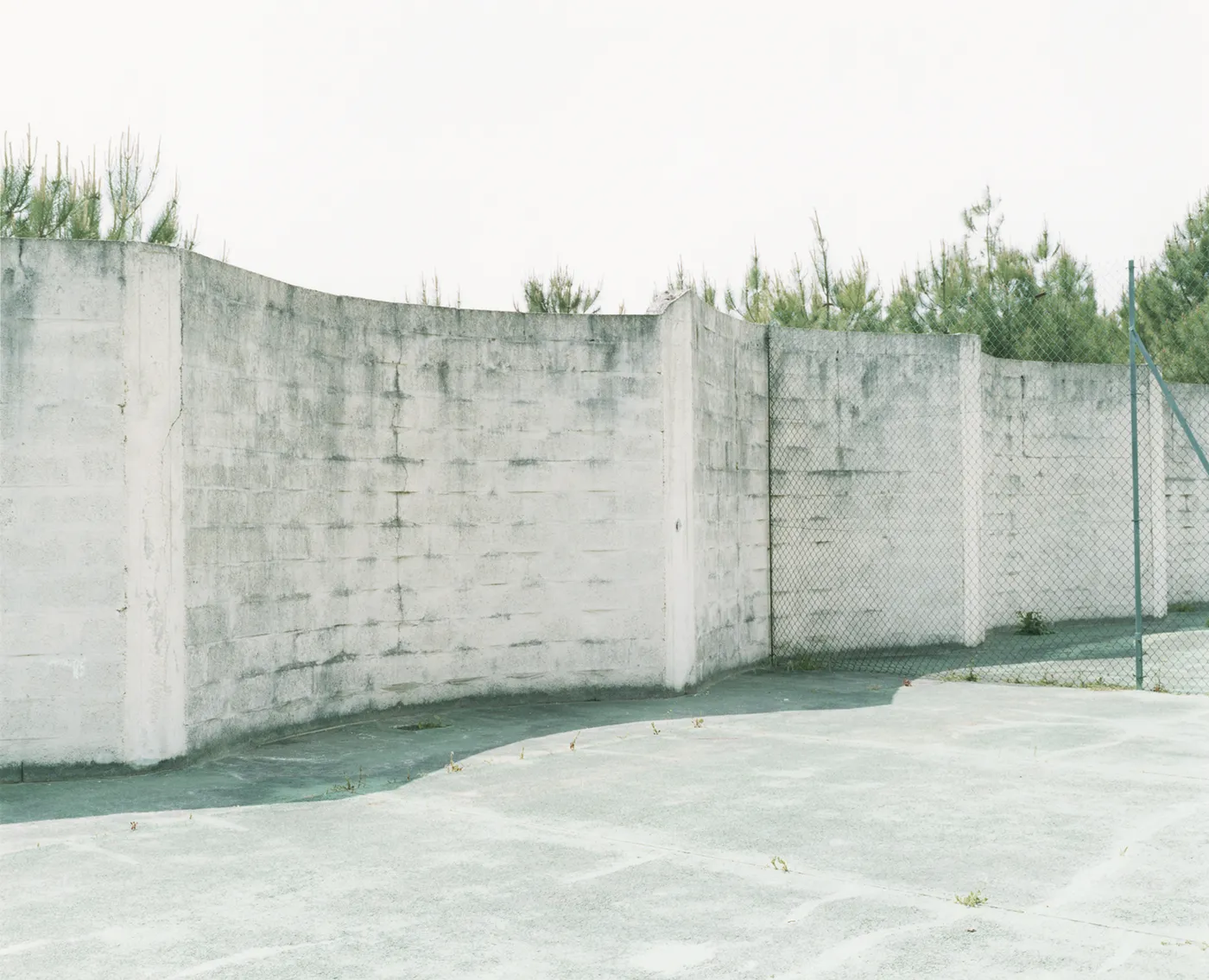

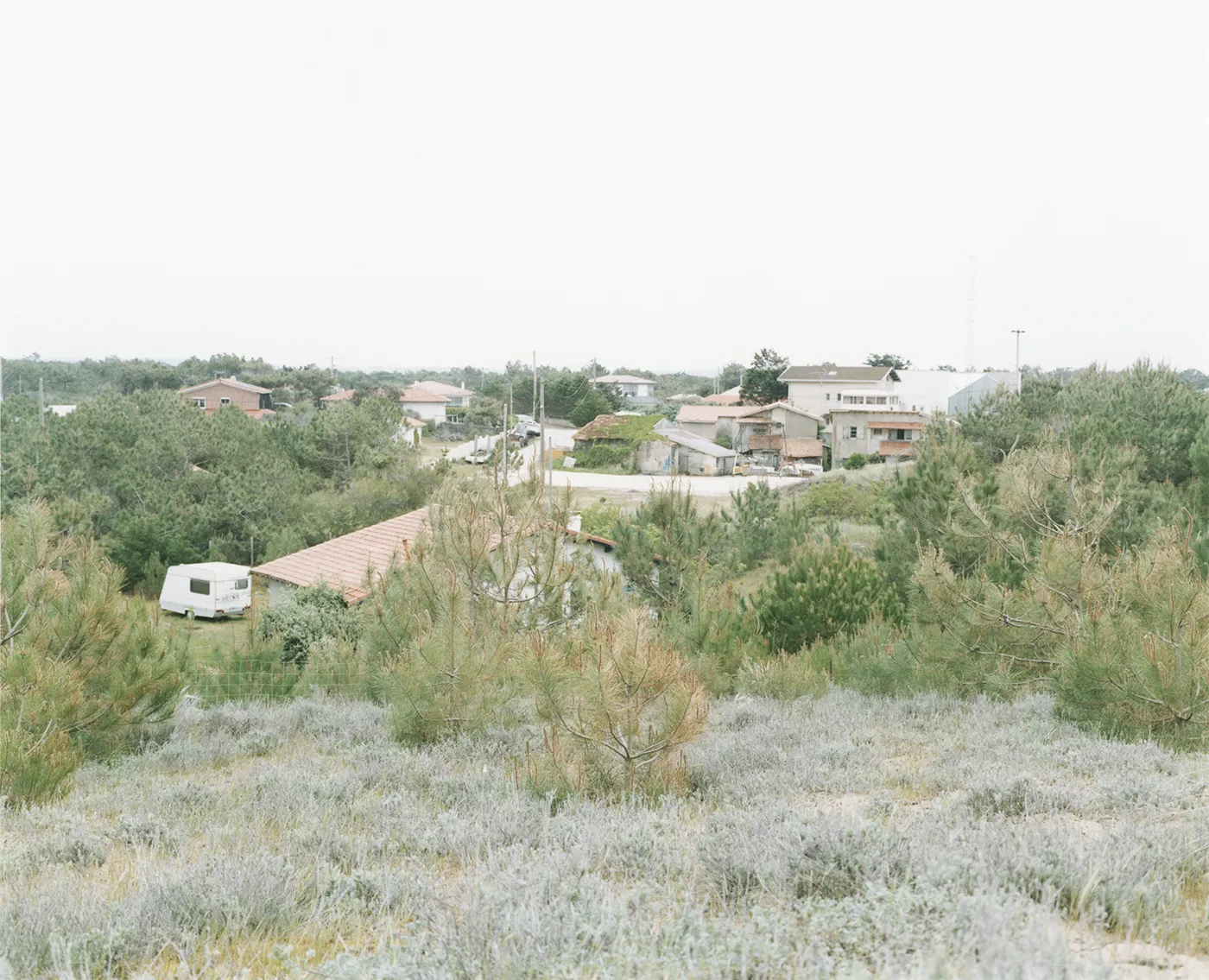
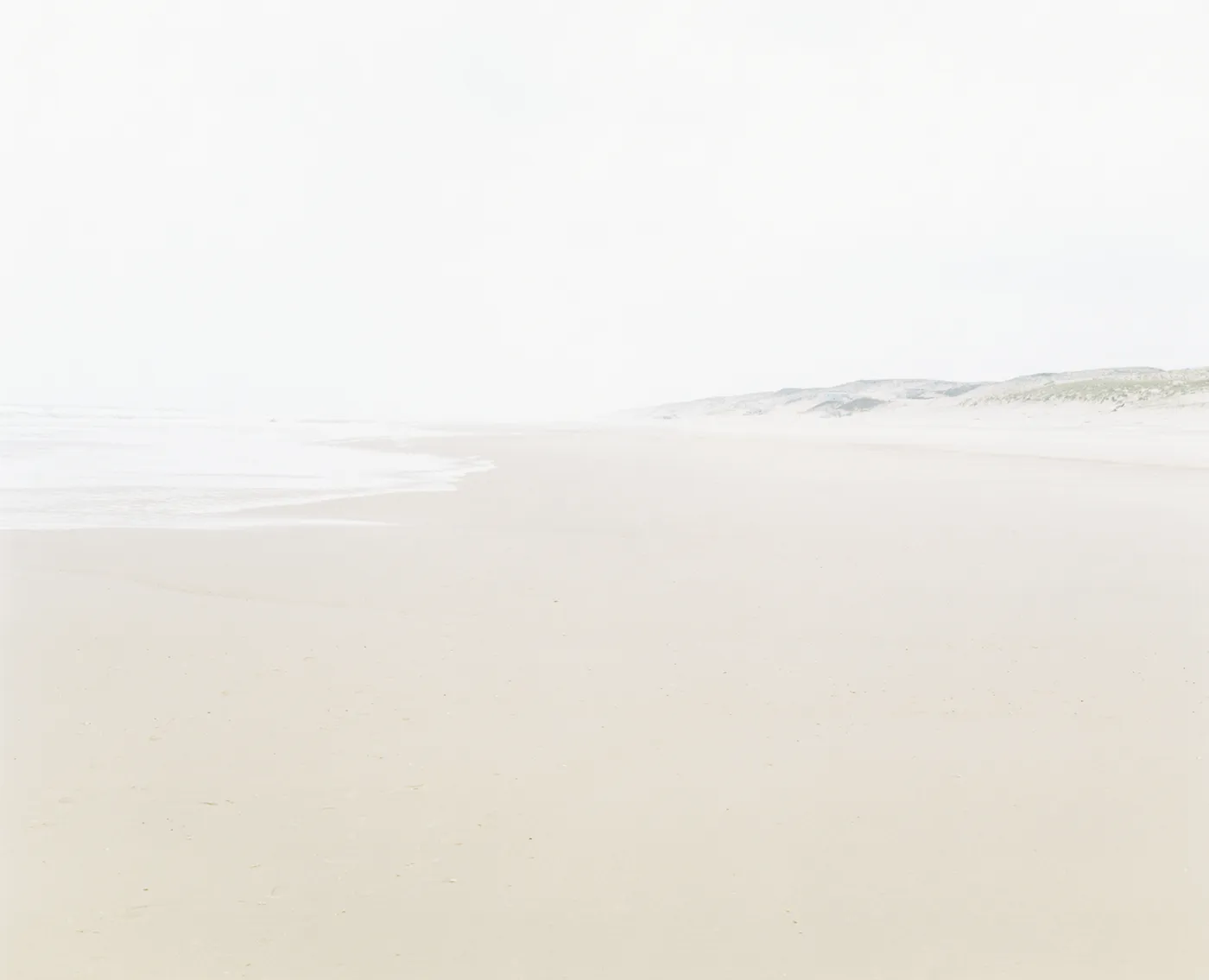


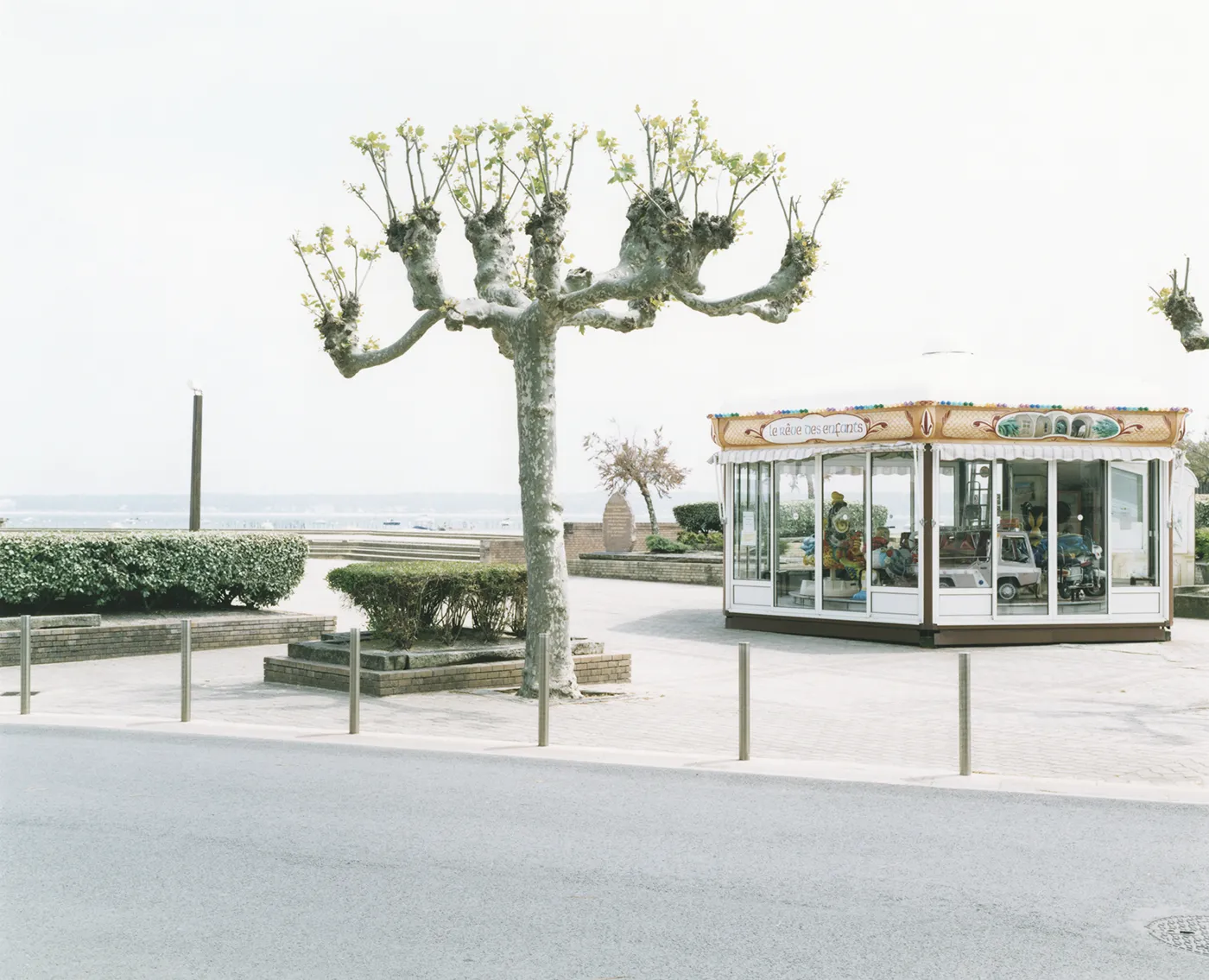
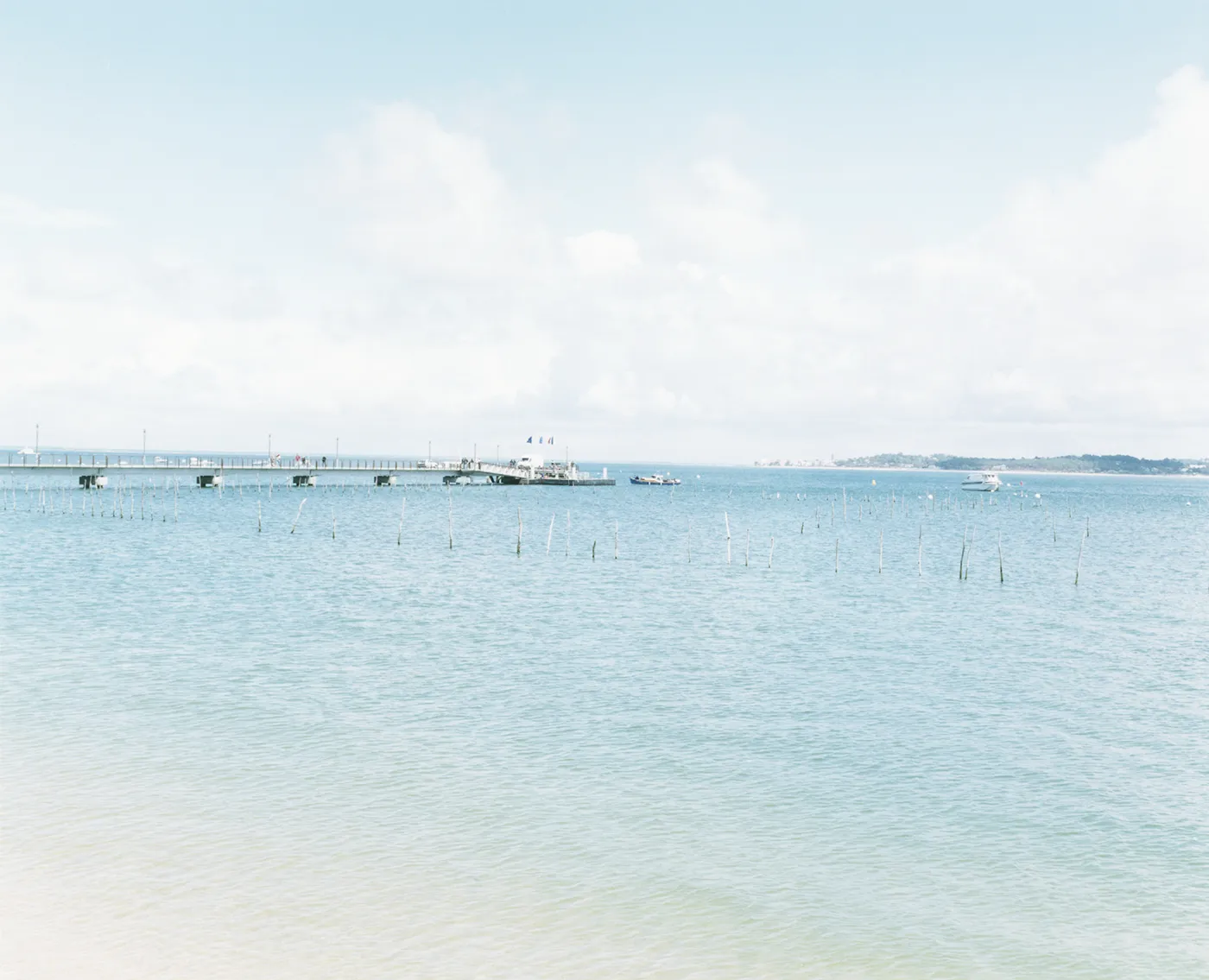
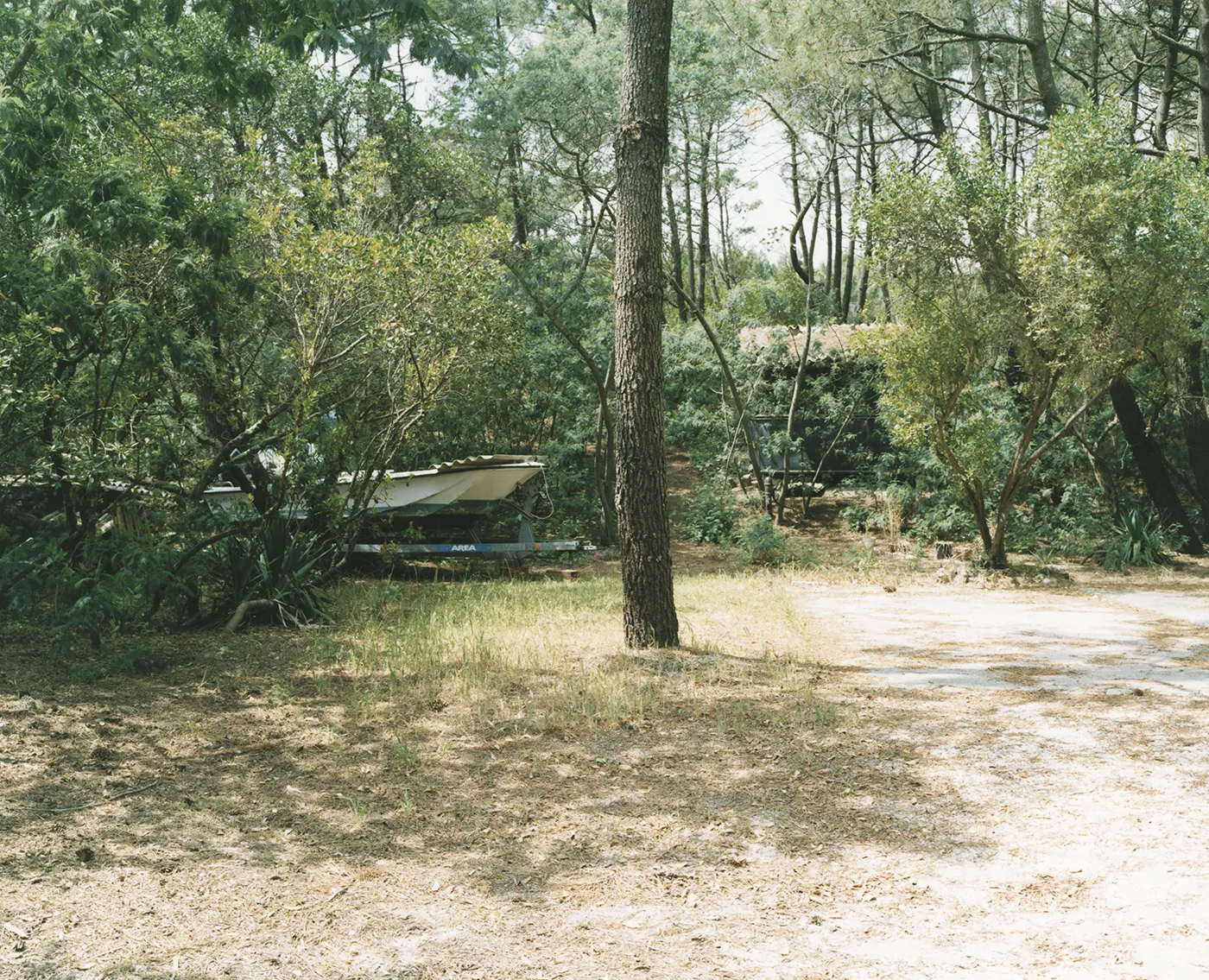
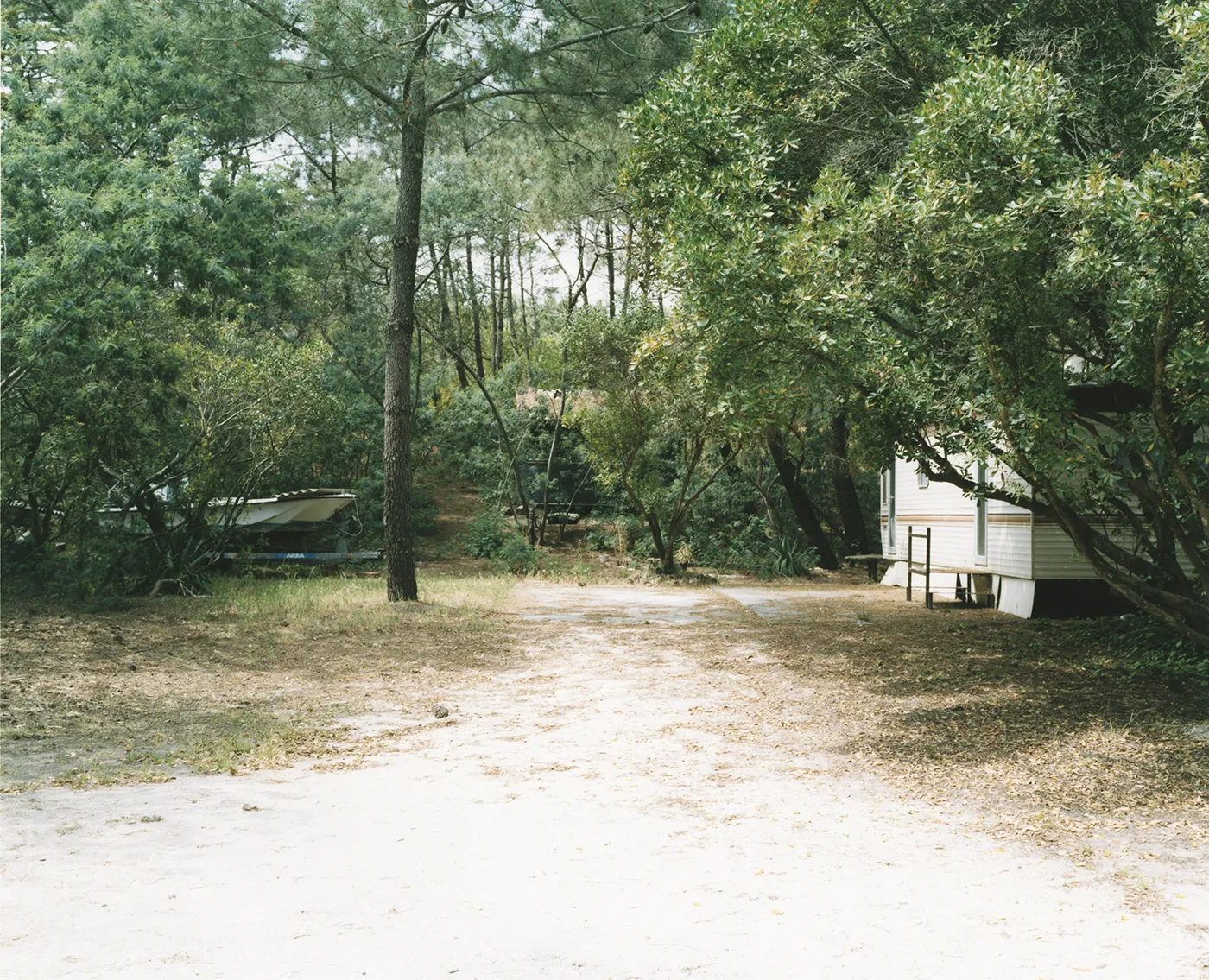


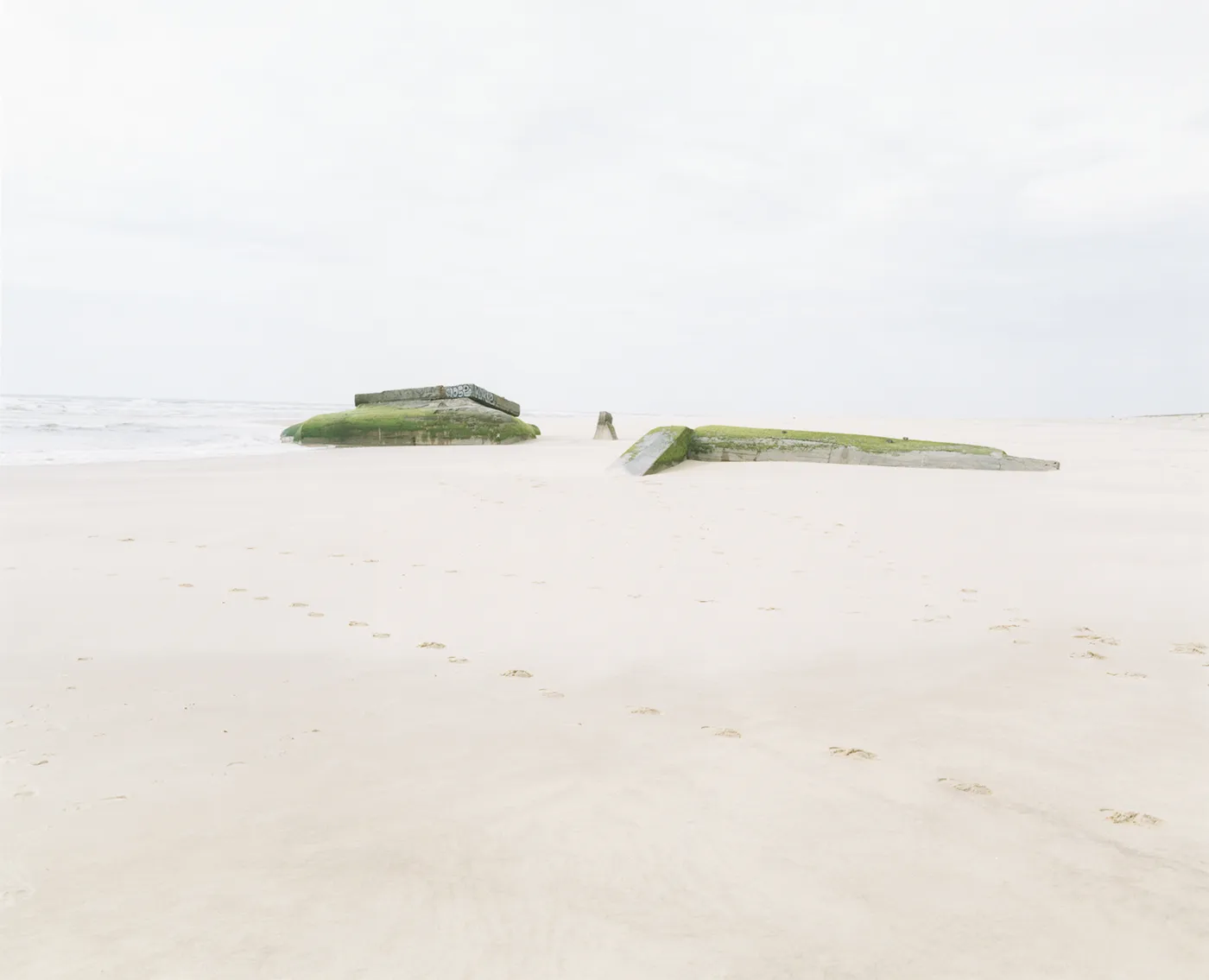
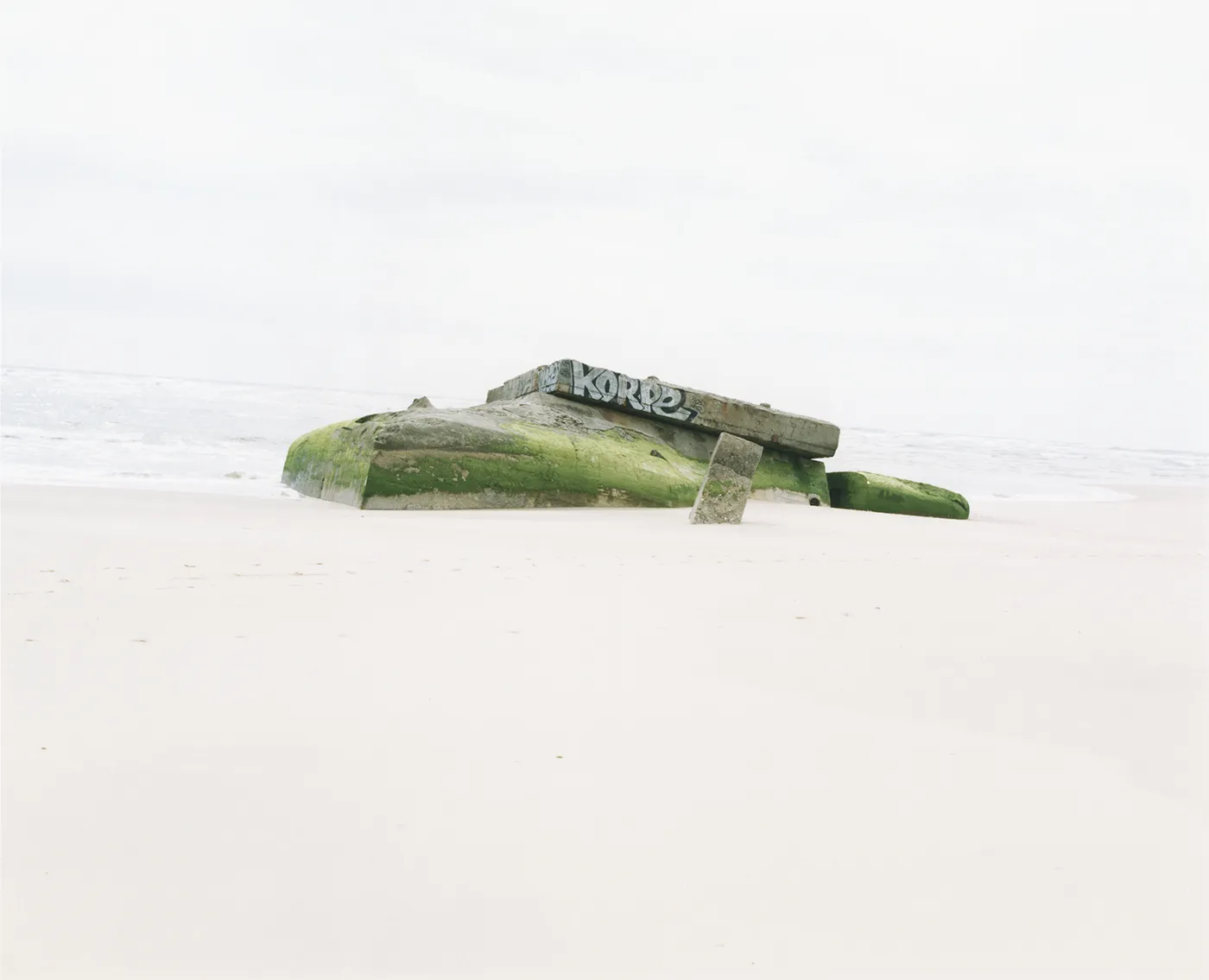
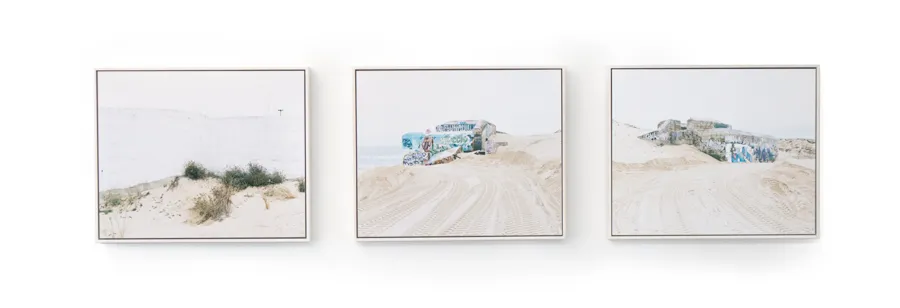
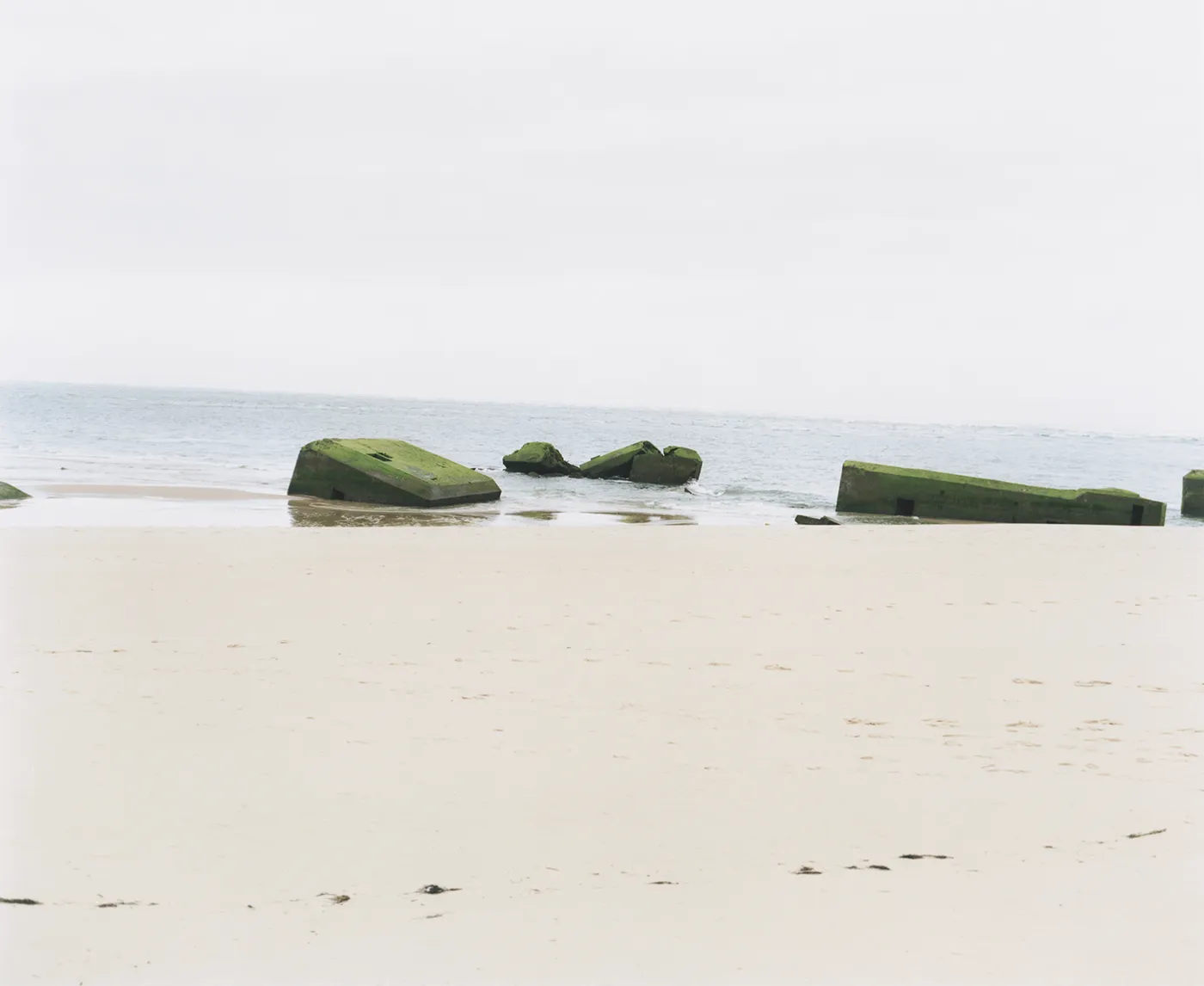
'We see the wide horizon, the boundaries between the sky and the sea and the sea and beach are difficult to define. Something stands out from the sea, a rock, maybe the spine of a stranded deep sea creature that turned into stone. A surfer elegantly navigates around the perimeter of this creature: Markus Oberndorfer takes pictures of disappearance and change, of the appropriation of the remnants of World War II.' Inge Marszolek (Looking At Bunker(photos) - Thoughts of a historian)
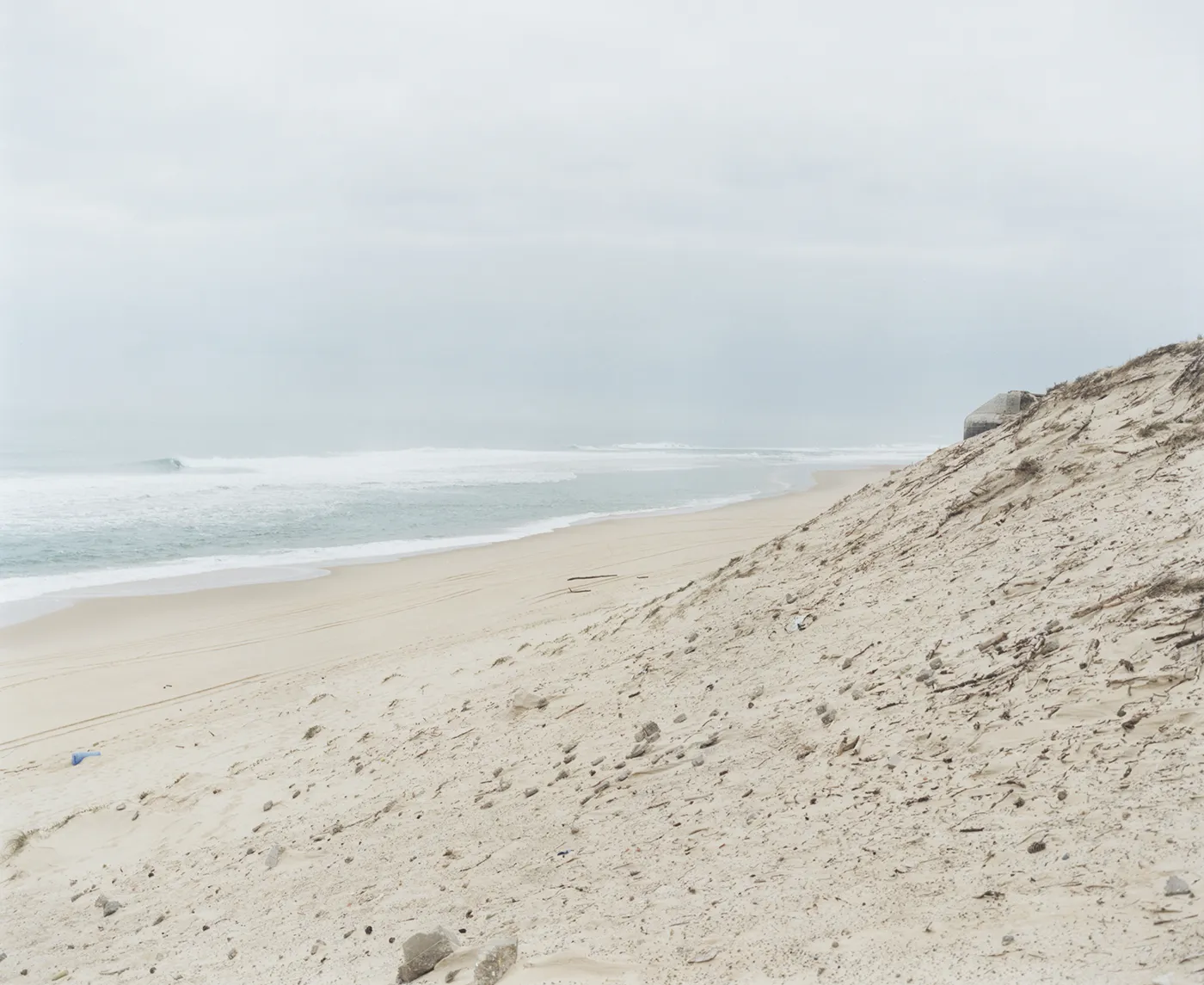
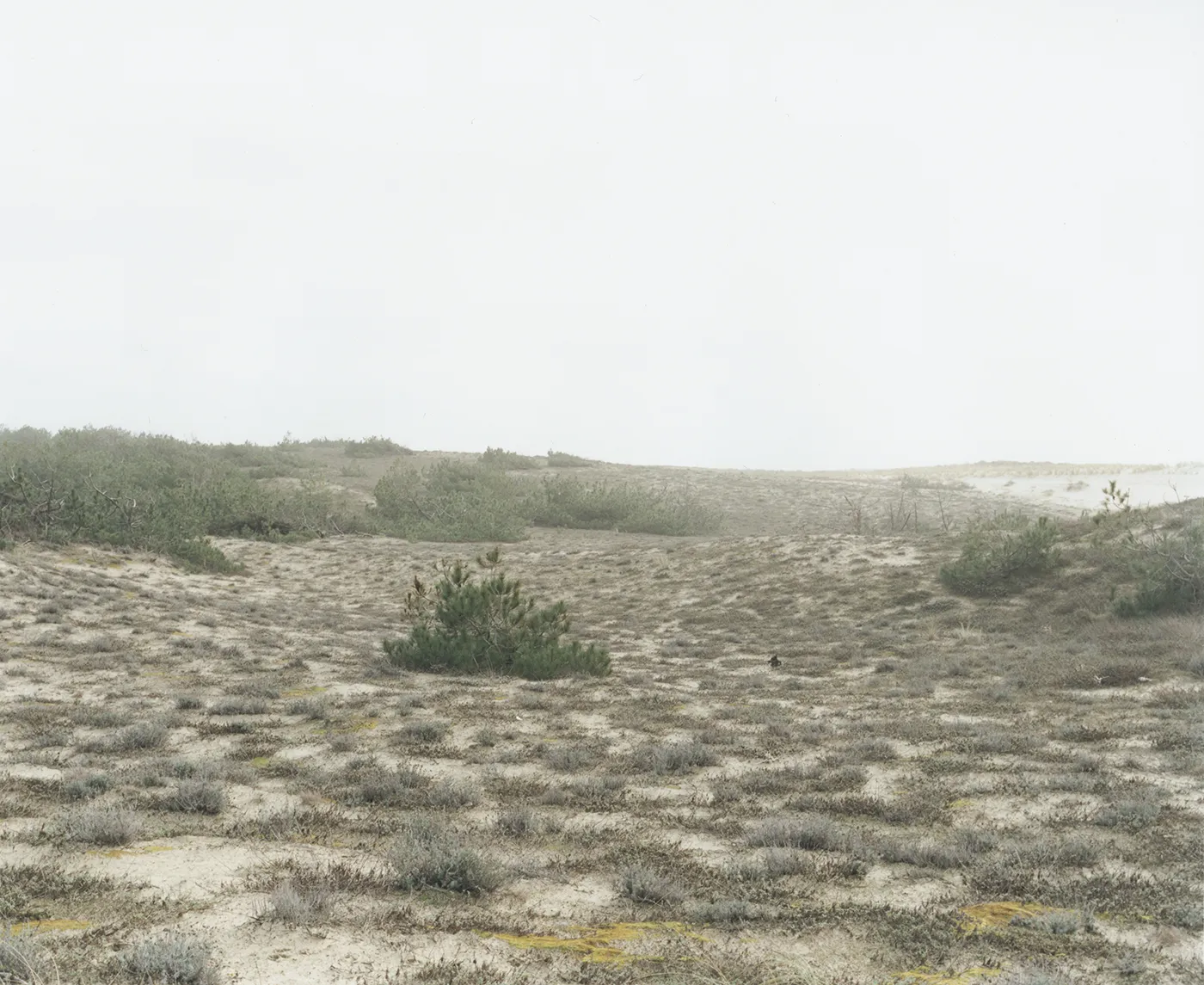


Taylor & Nova
The diptych 'La Pointe – Taylor & Nova' is an allusion to the final scene of the first Planet of the Apes film by Franklin J. Schaffner (1968). Fleeing into the 'Forbidden Zone' and riding along the beach on horseback, they encounter the half-submerged Statue of Liberty. A discovery that allow Taylor to realize that they are not on another planet, as they had believed up to that point, but on post-apocalyptic Earth. In the same way the Statue of Liberty situates Taylor and Nova in that moment, the remnants of the Atlantic Wall anchor us in post-Nazi Europe today, marking a landscape shaped by history and its lingering, sometimes elusive, aftermath.
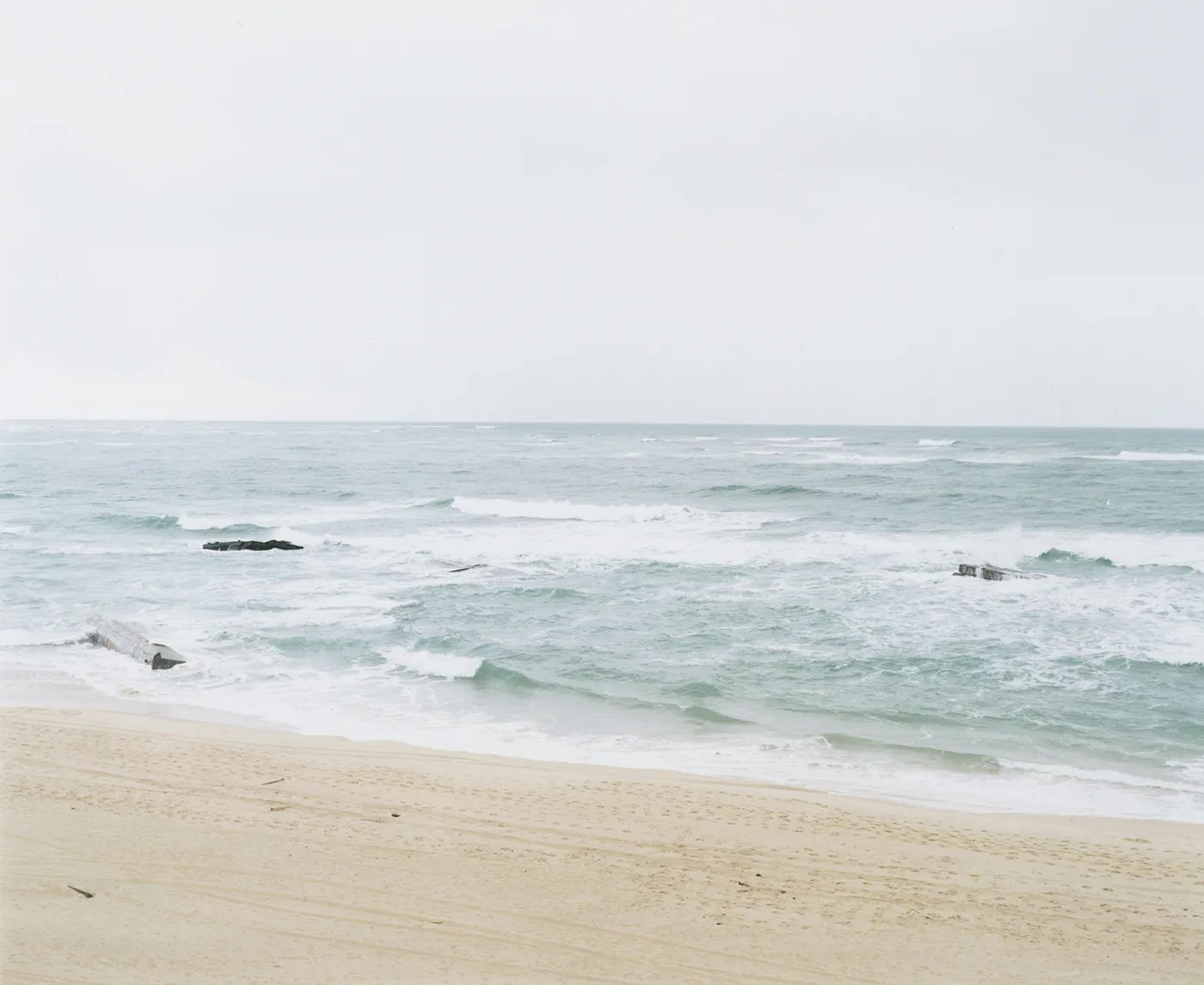


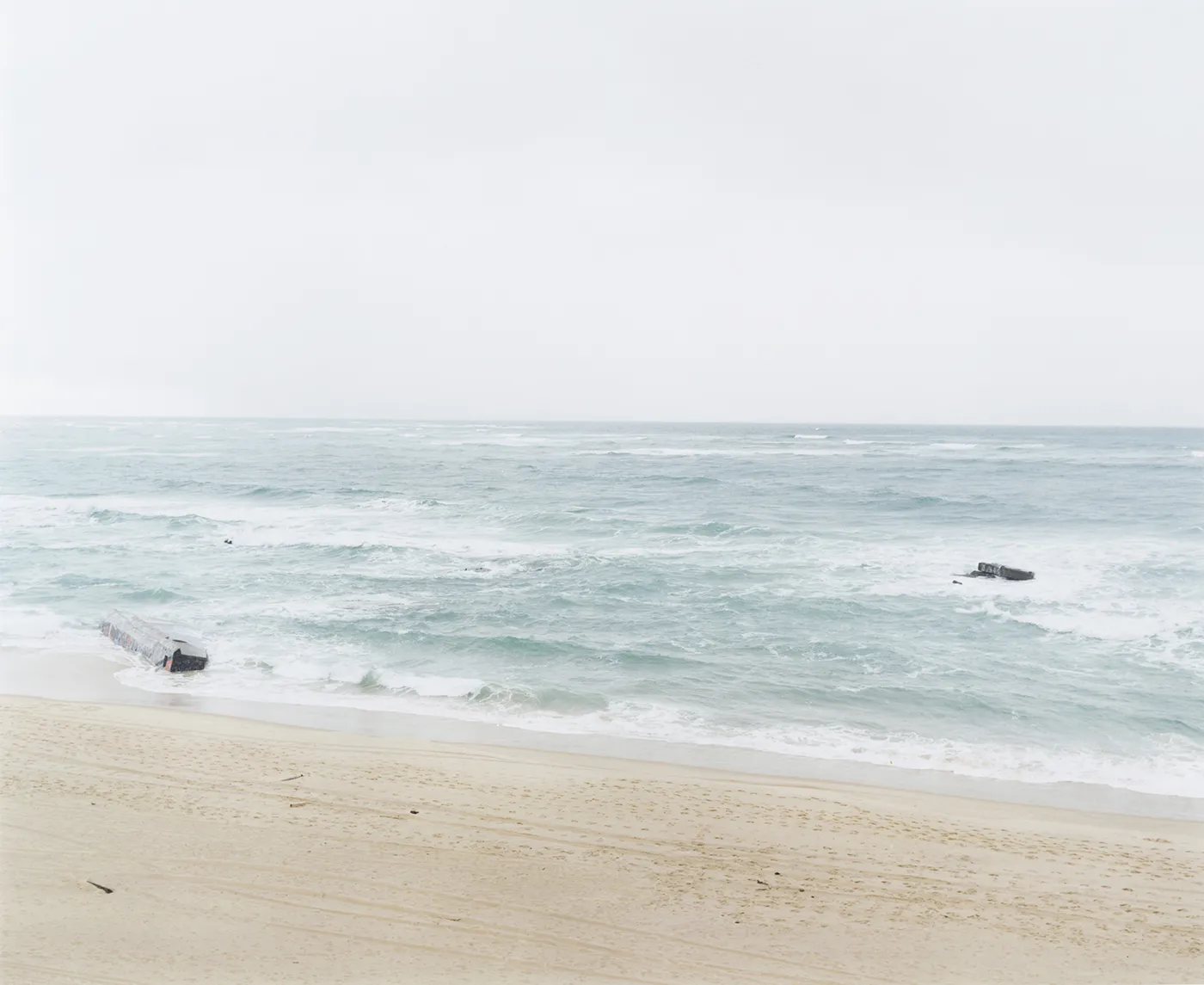
Dr. Zaius: 'The Forbidden Zone was once paradise. Your breed made a desert of it, ages ago.' During the war, Cap Ferret was likewise part of the so-called 'Zone Rouge', as Henri Lavrillat mentions in my interview 'Autrement on devient fou…..' — the Forbidden Zone, which could only be entered in exceptional cases. In this respect, the Forbidden Zone spoken of by Dr. Zaius in Planet of the Apes can also be understood as a metaphor.
Remembering
Autrement on devient fou.....
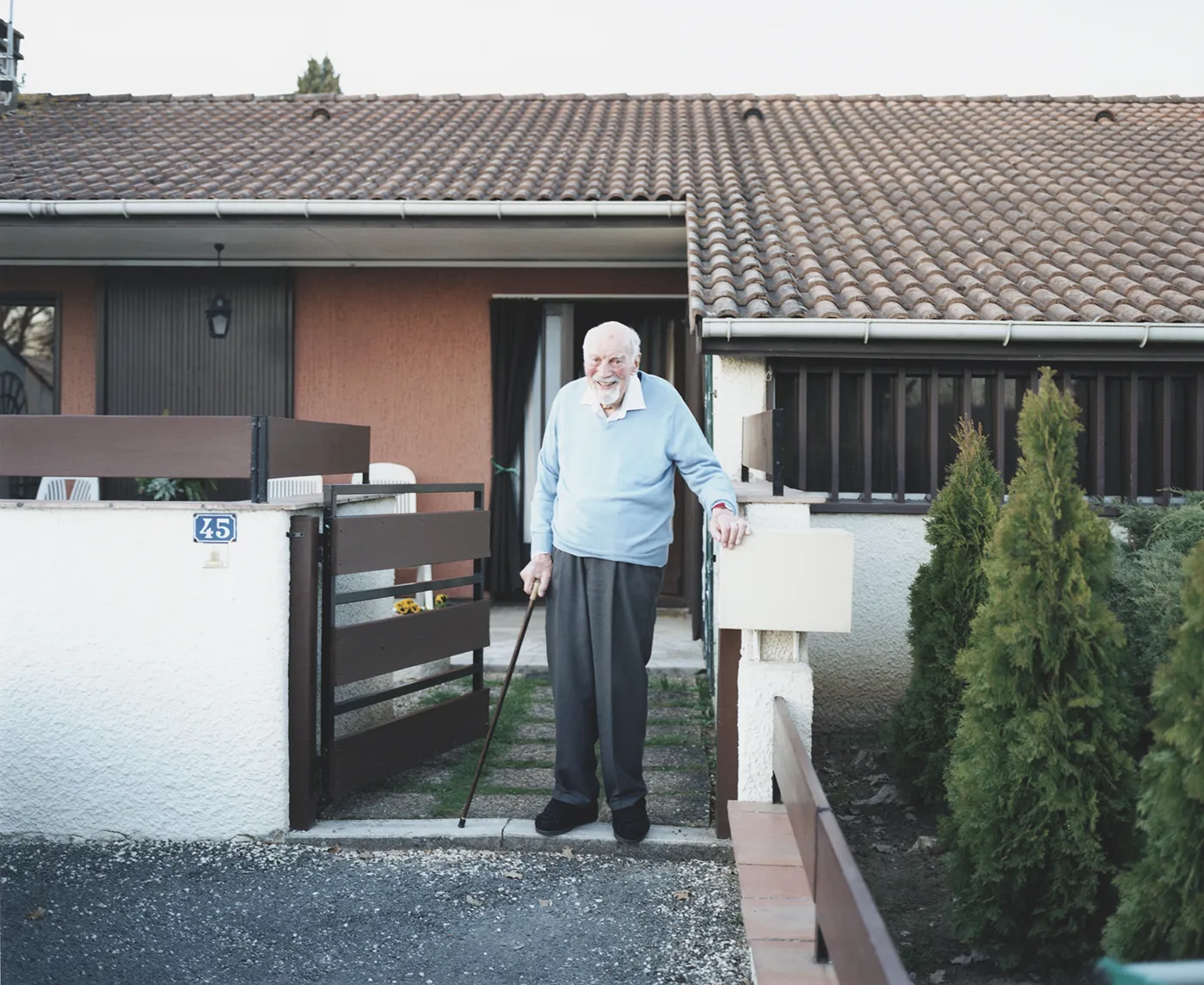
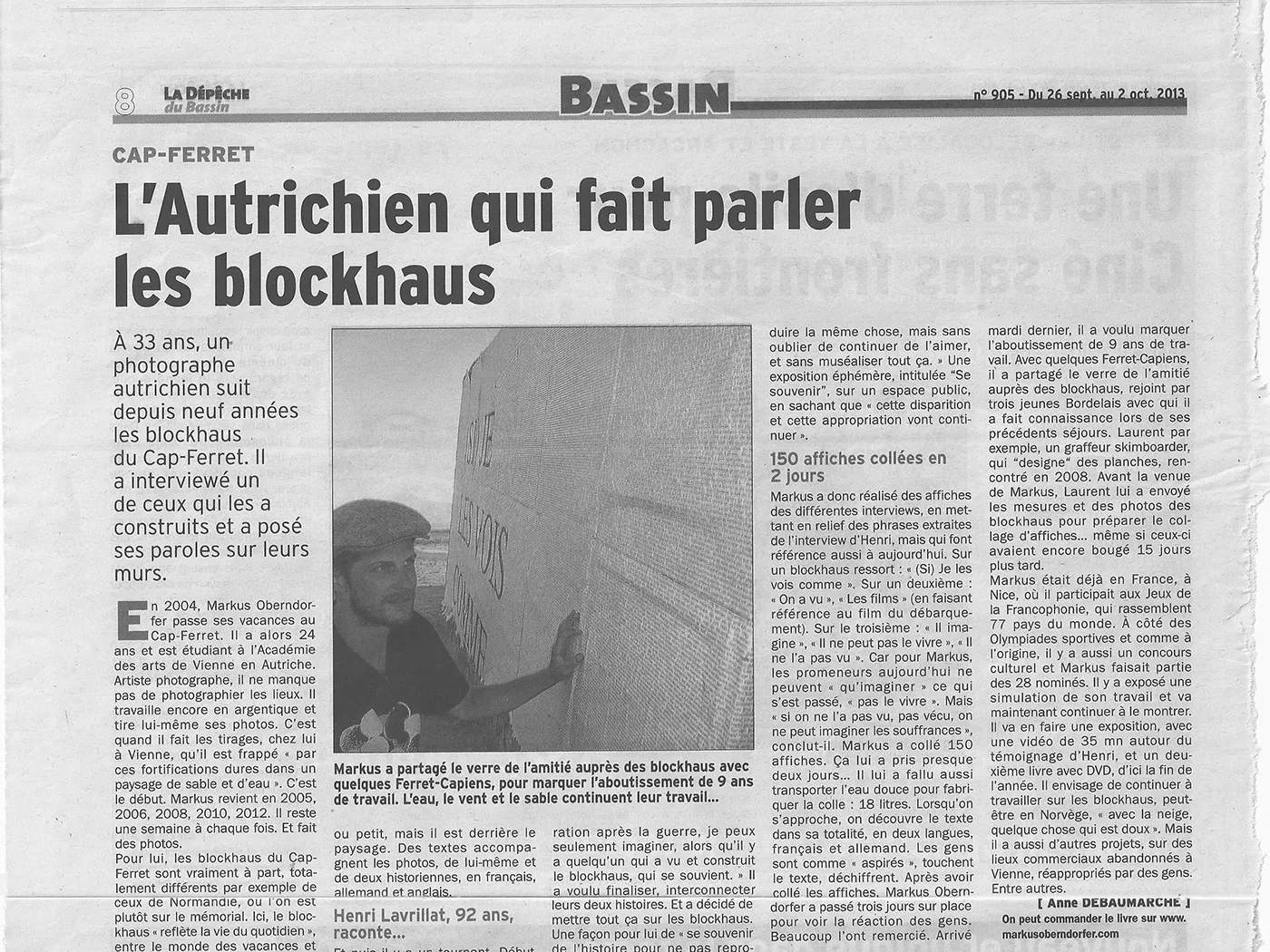
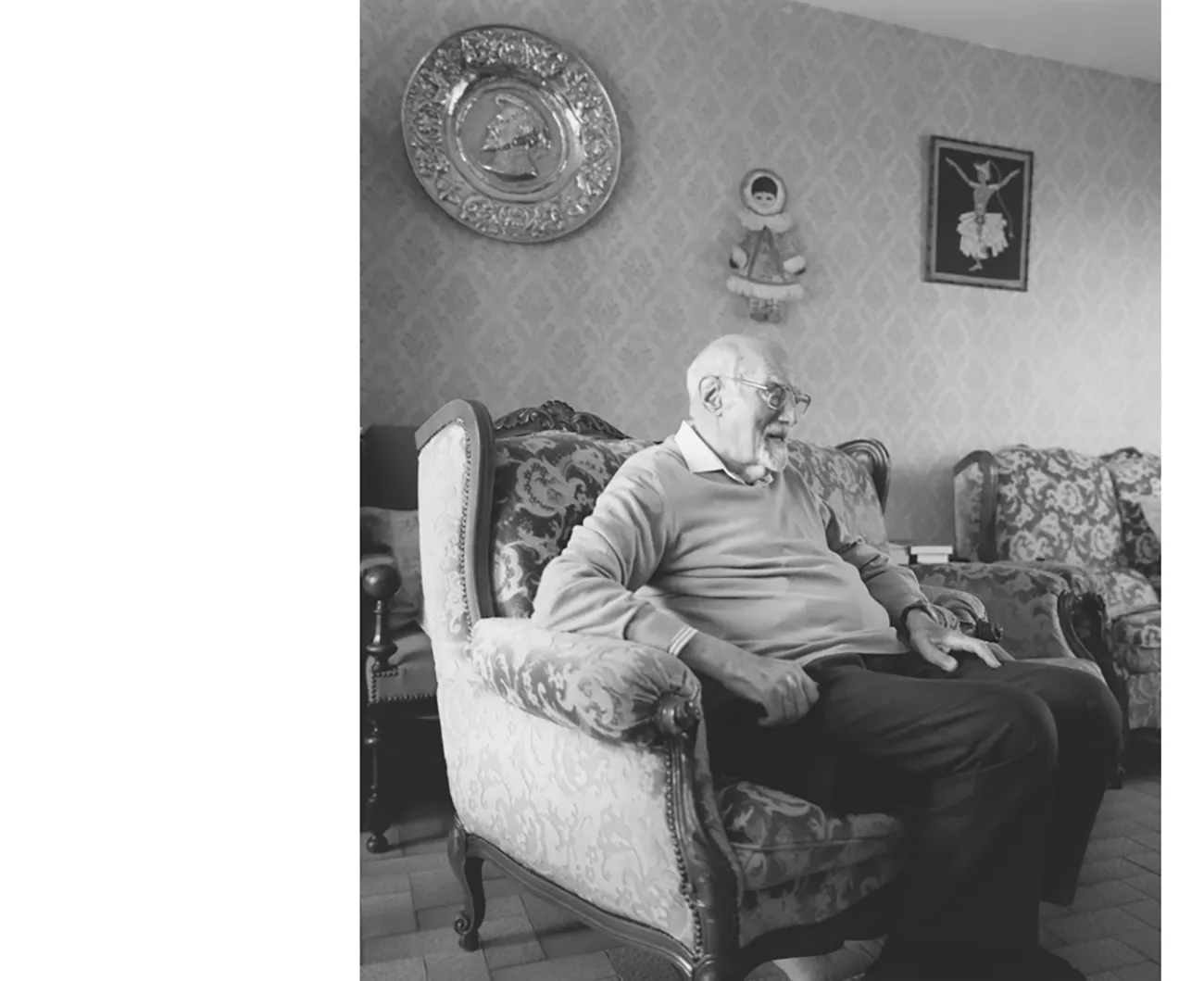
Interview with Henri Lavrillat (*1920) who recalls his compulsory work service at Cap Ferret as well as in Bordeaux during the Second World War and talks about my works and thoughts, collected in the book "Foukauld – La Disparition", which was the starting point for this interview.
'You are 20 years old, it is war, the war is lost, you have left your family, will be a father soon, you find yourself deep in the woods, surrounded by the enemy, and you are... It is really a death factory, they suck you dry to the bones, as we say. Just imagine... When you see that... it was a shock! (gesticulates) When you come in, you see this picture of Hitler, right there (points).... illuminated by spotlights. I see it right before my eyes, as if I was there...' (Henri Lavrillat)
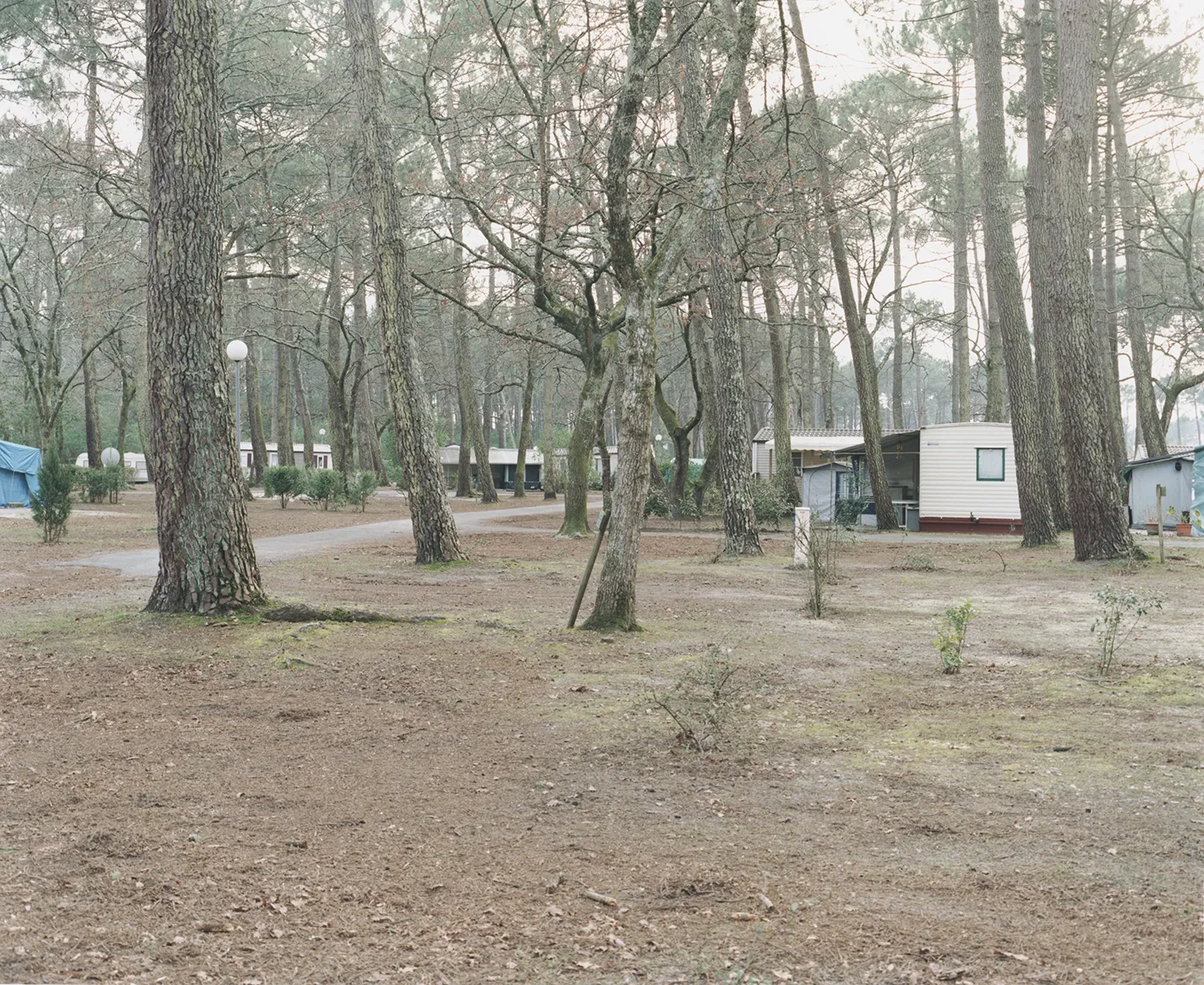

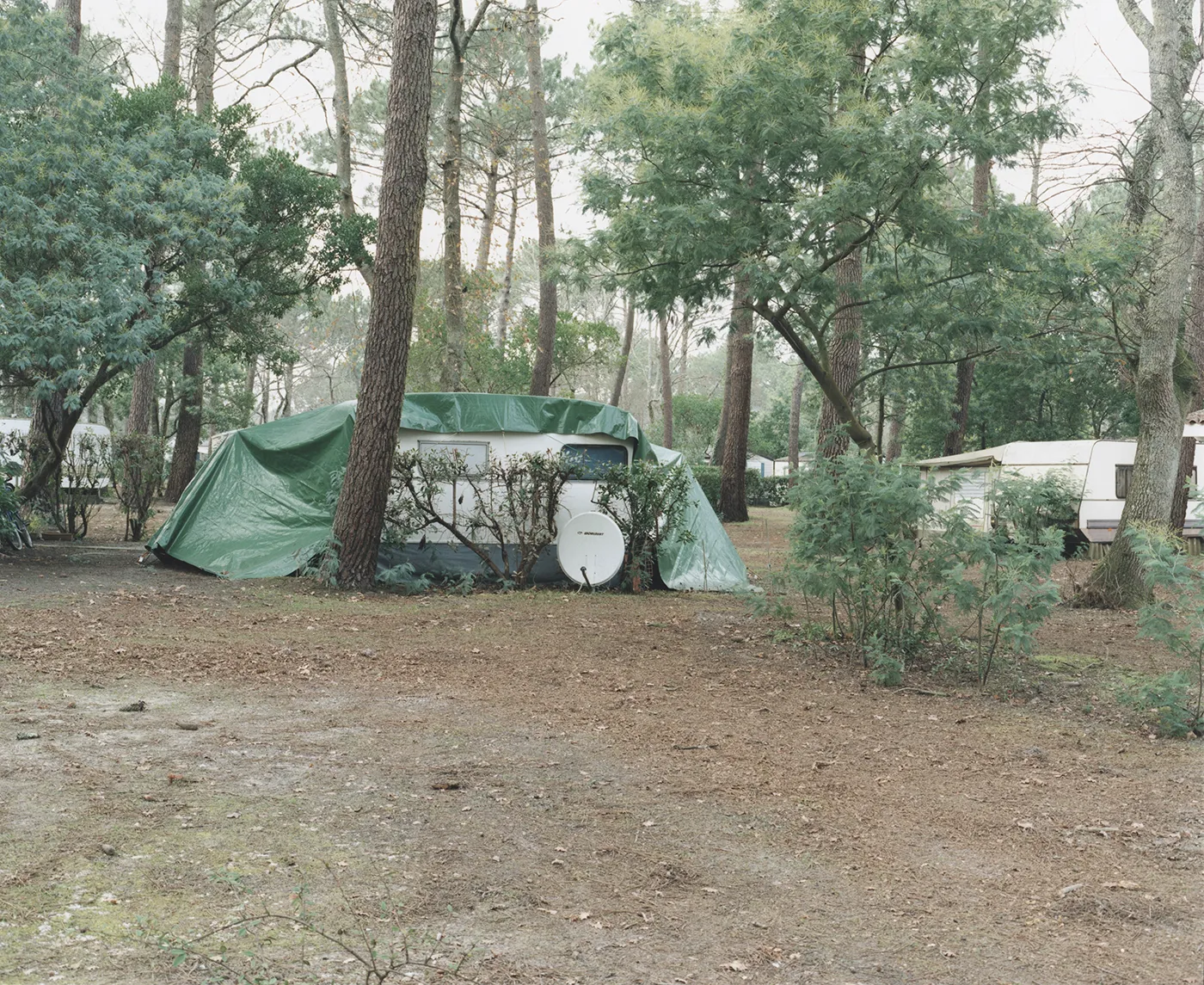

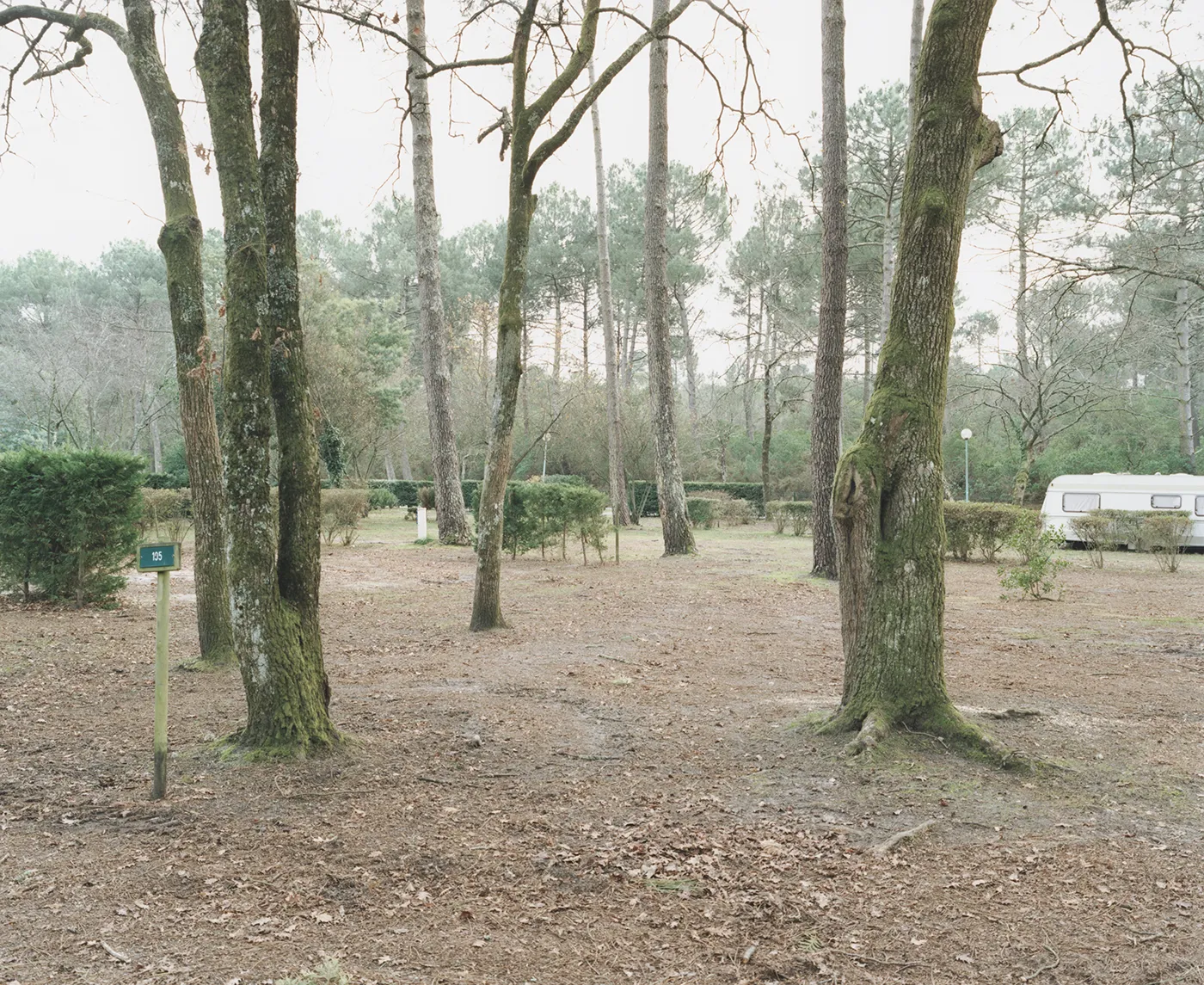






Se Souvenir
To interconnect the two main approaches to the Atlantic Wall fortifications around Cap Ferret — 'Foukauld', my own position as a photographer documenting and forming my understanding of what I see, and 'Autrement on devient fou…..', Henri Lavrillat’s recollection of what he experienced at the time — I decided to close the circle between past and present.
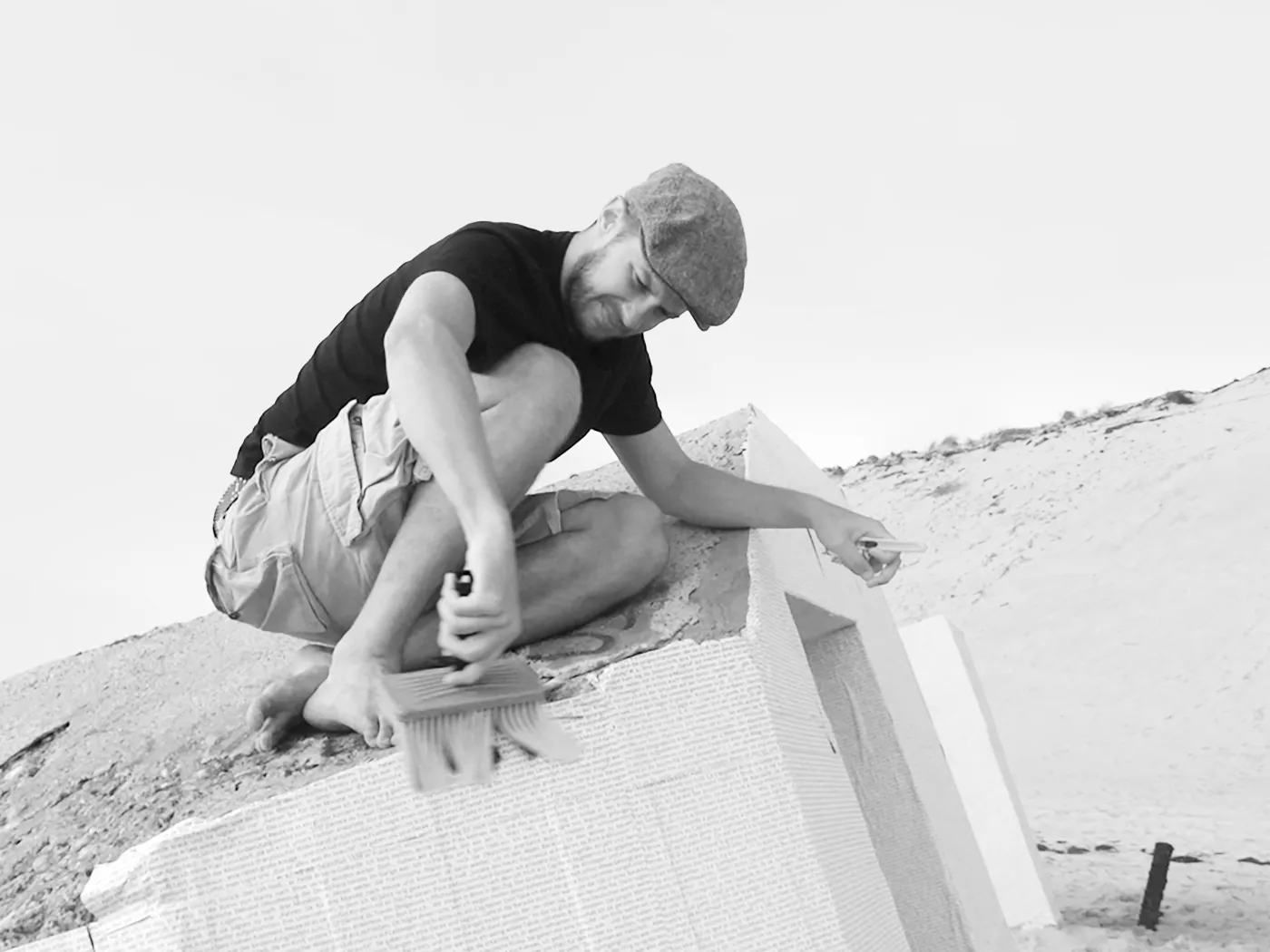
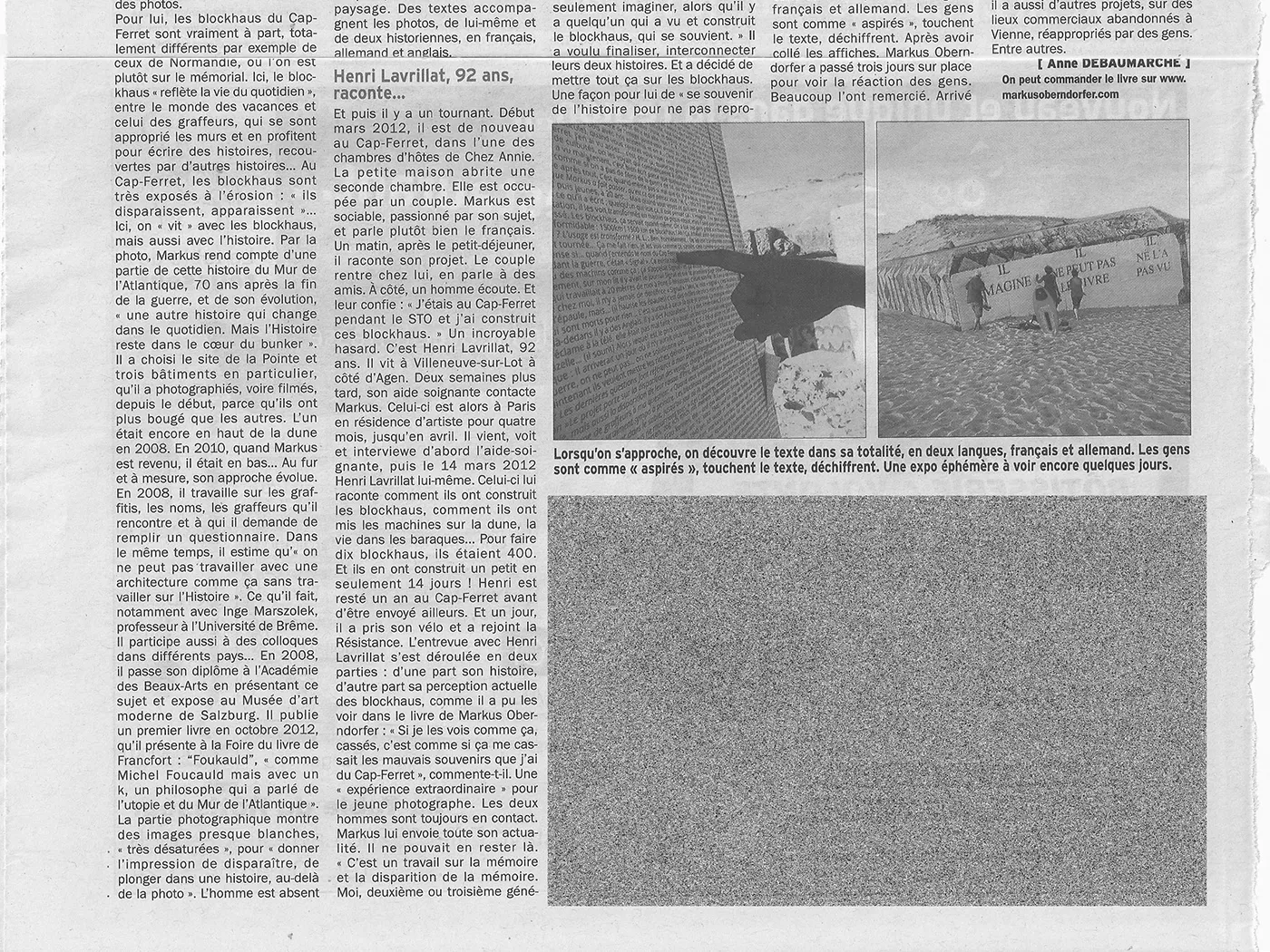
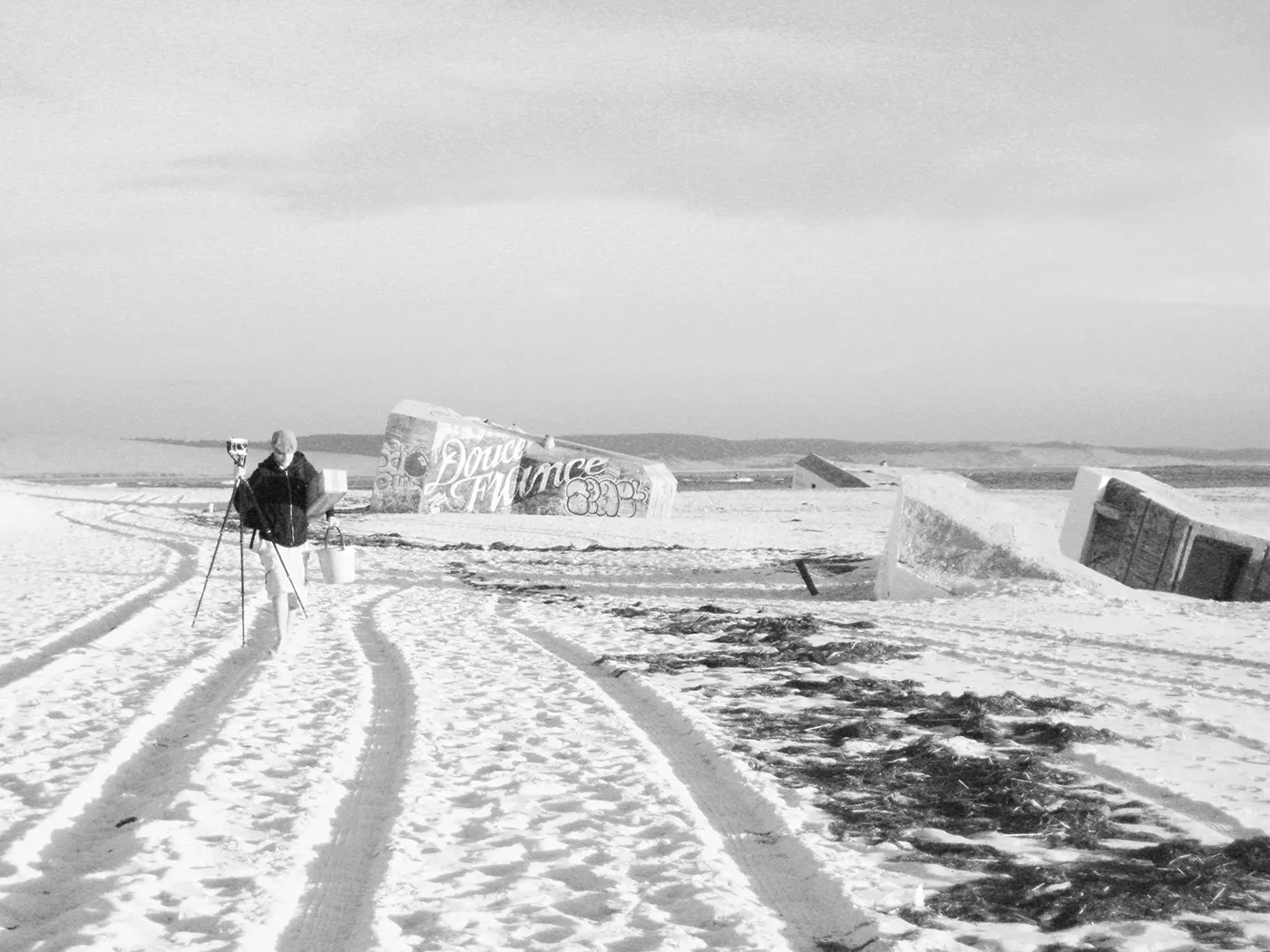
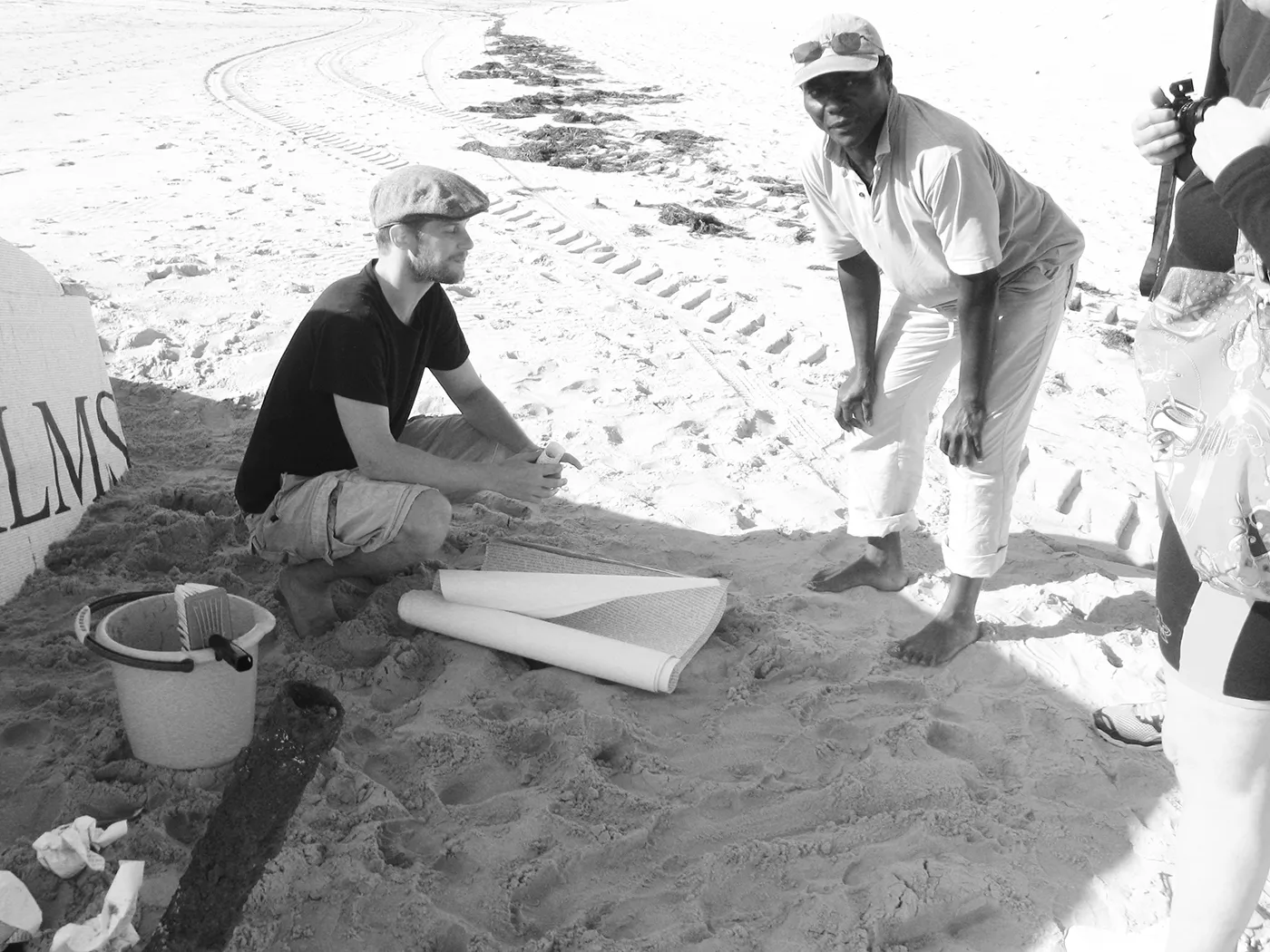
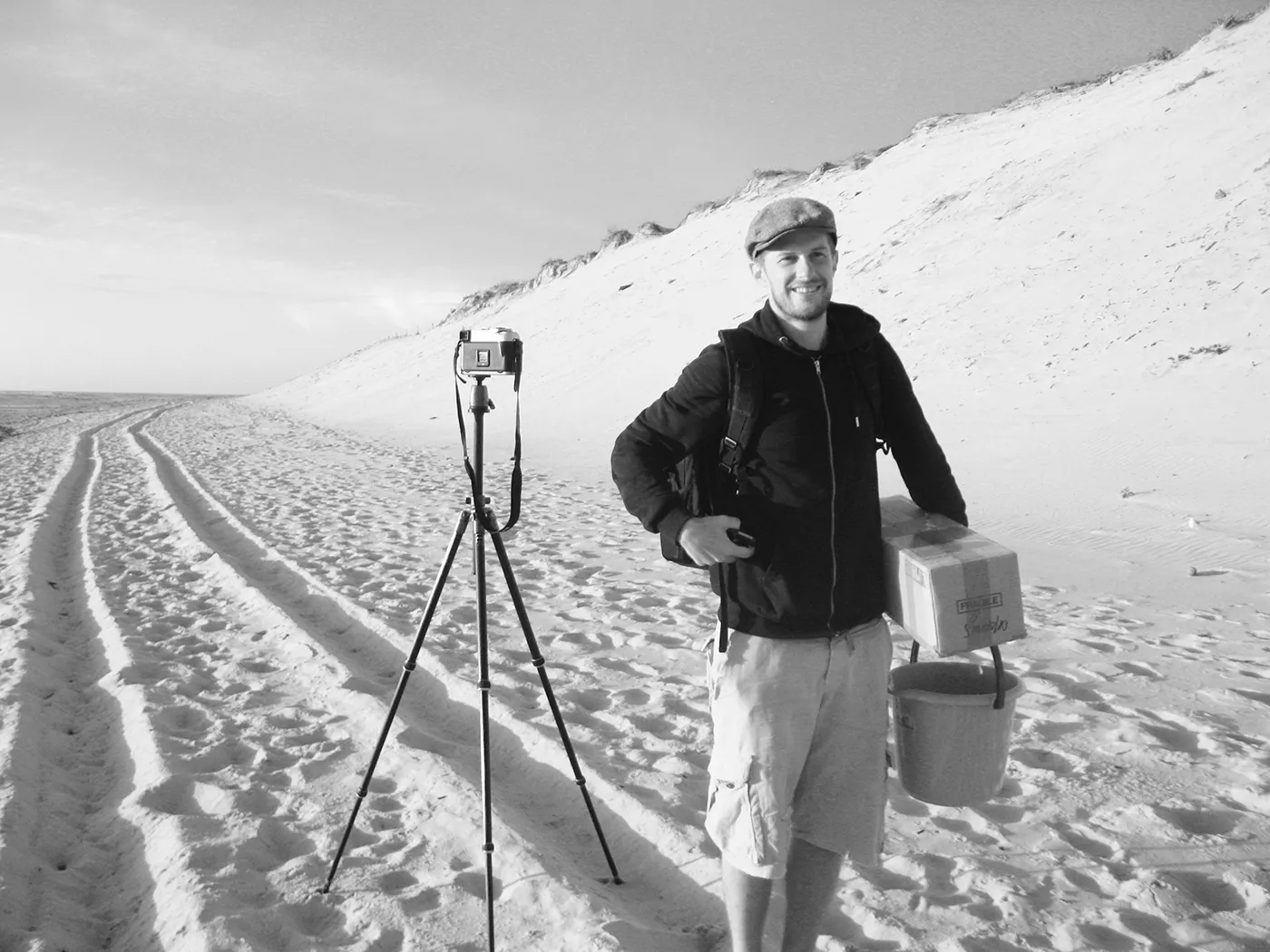
I therefore pasted the testimony of Henri Lavrillat, a contemporary witness of WW2 who was forced, along with many others, to build these fortifications in Cap Ferret during the compulsory work service, directly onto the walls he had constructed — walls that I have been photographing since 2004. Allowing memory, imagination, trace, and representation to confront one another in the same physical and historical space — acknowledging my position as an artist who can only imagine a past I did not live.
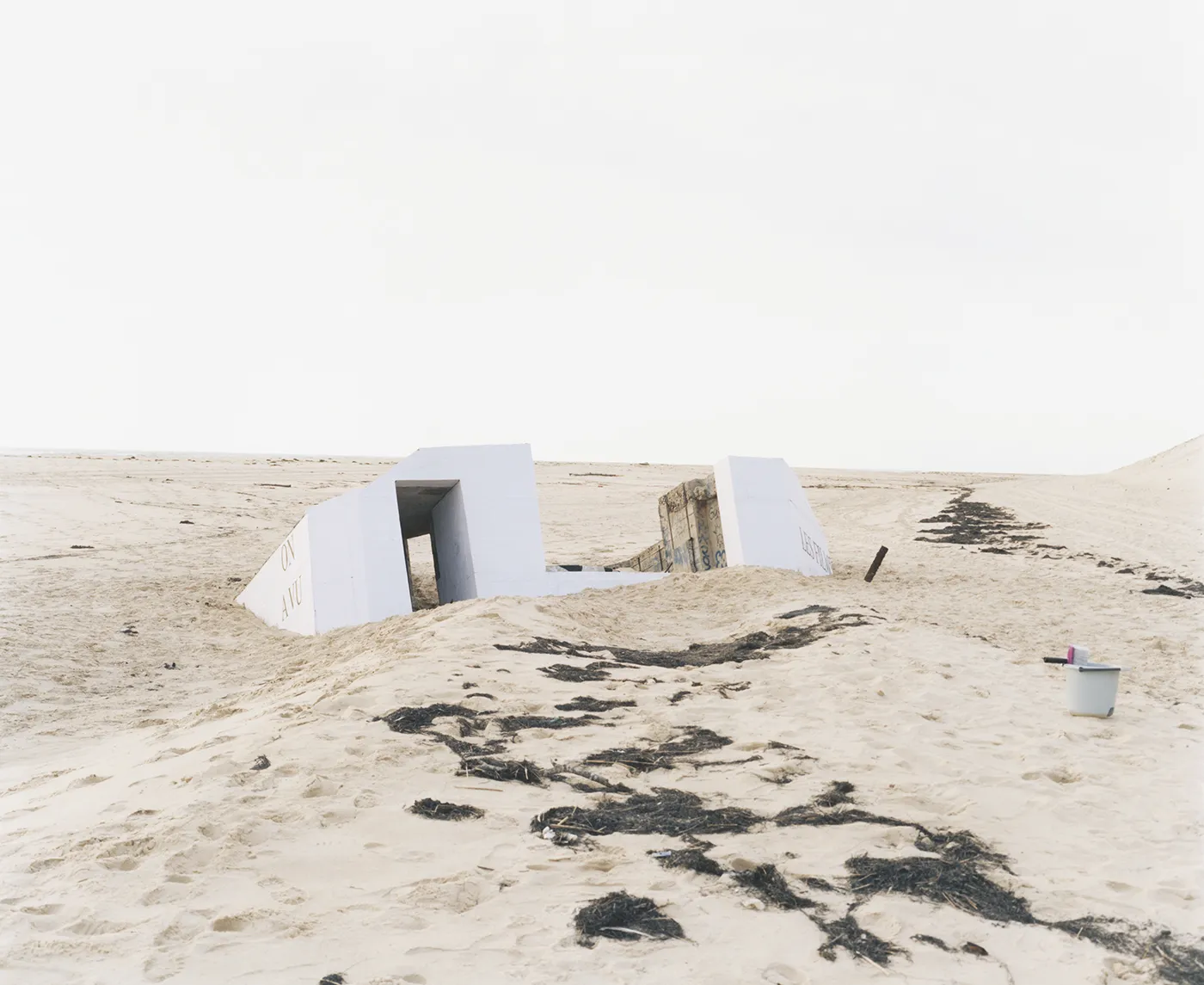
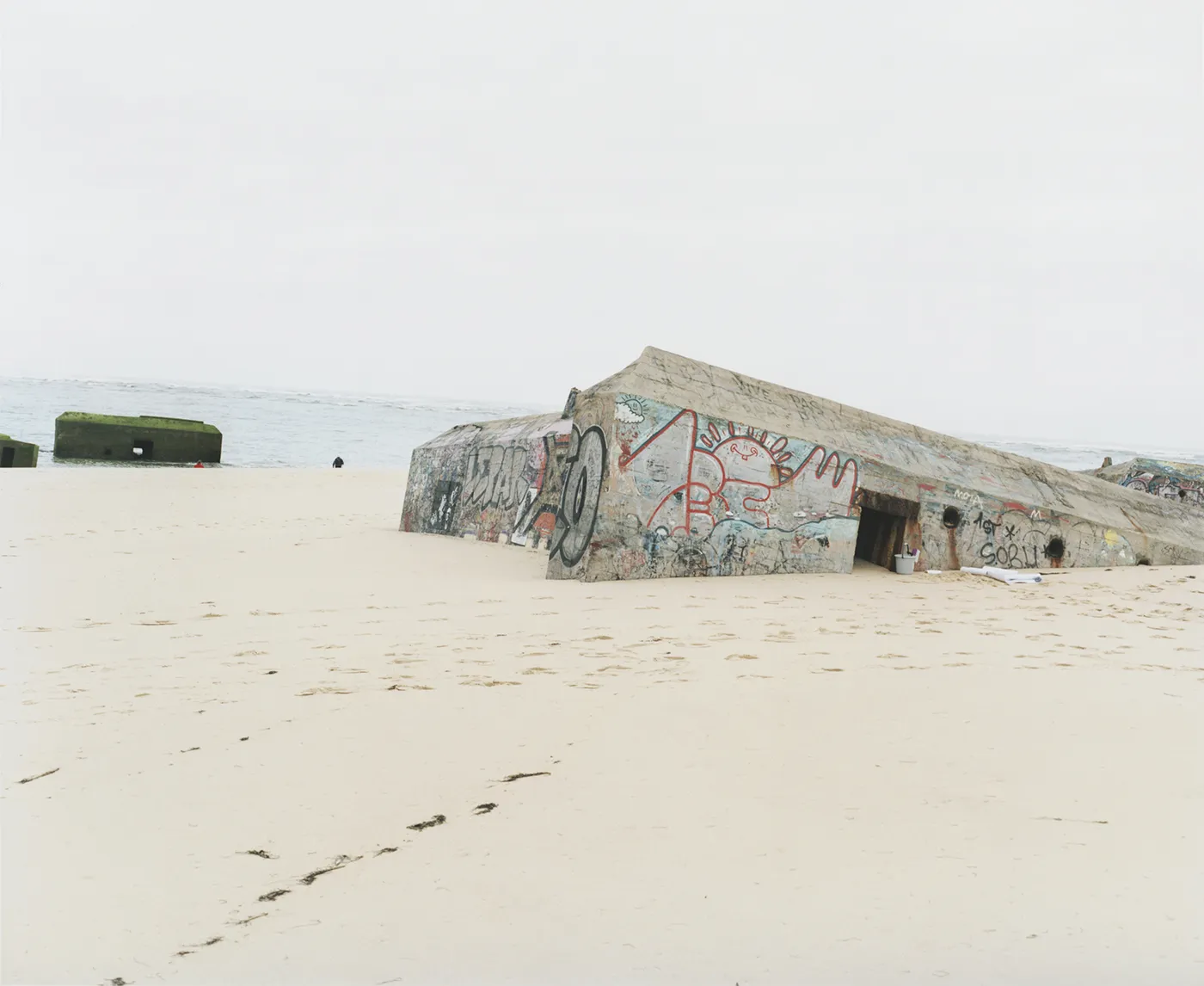


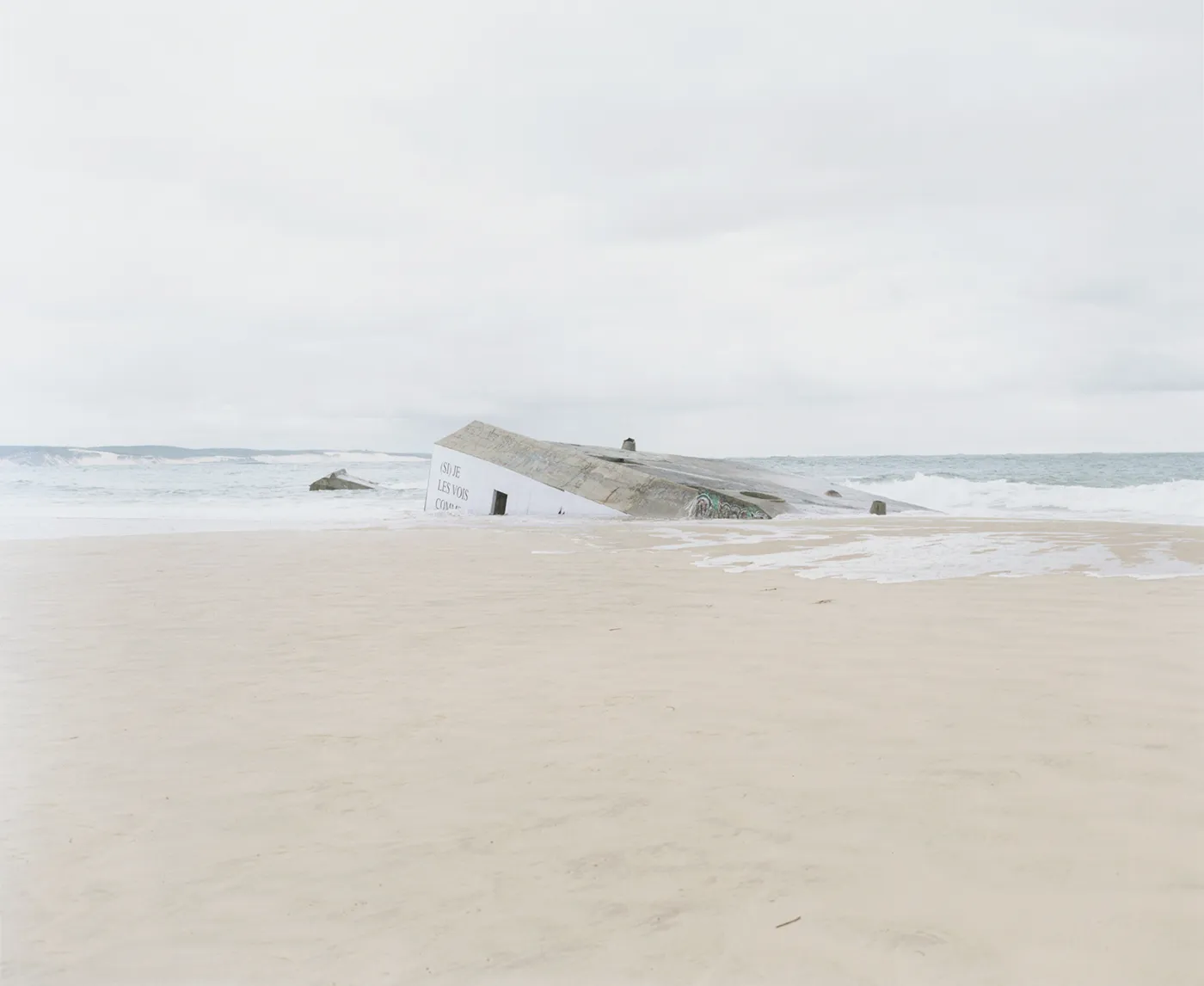

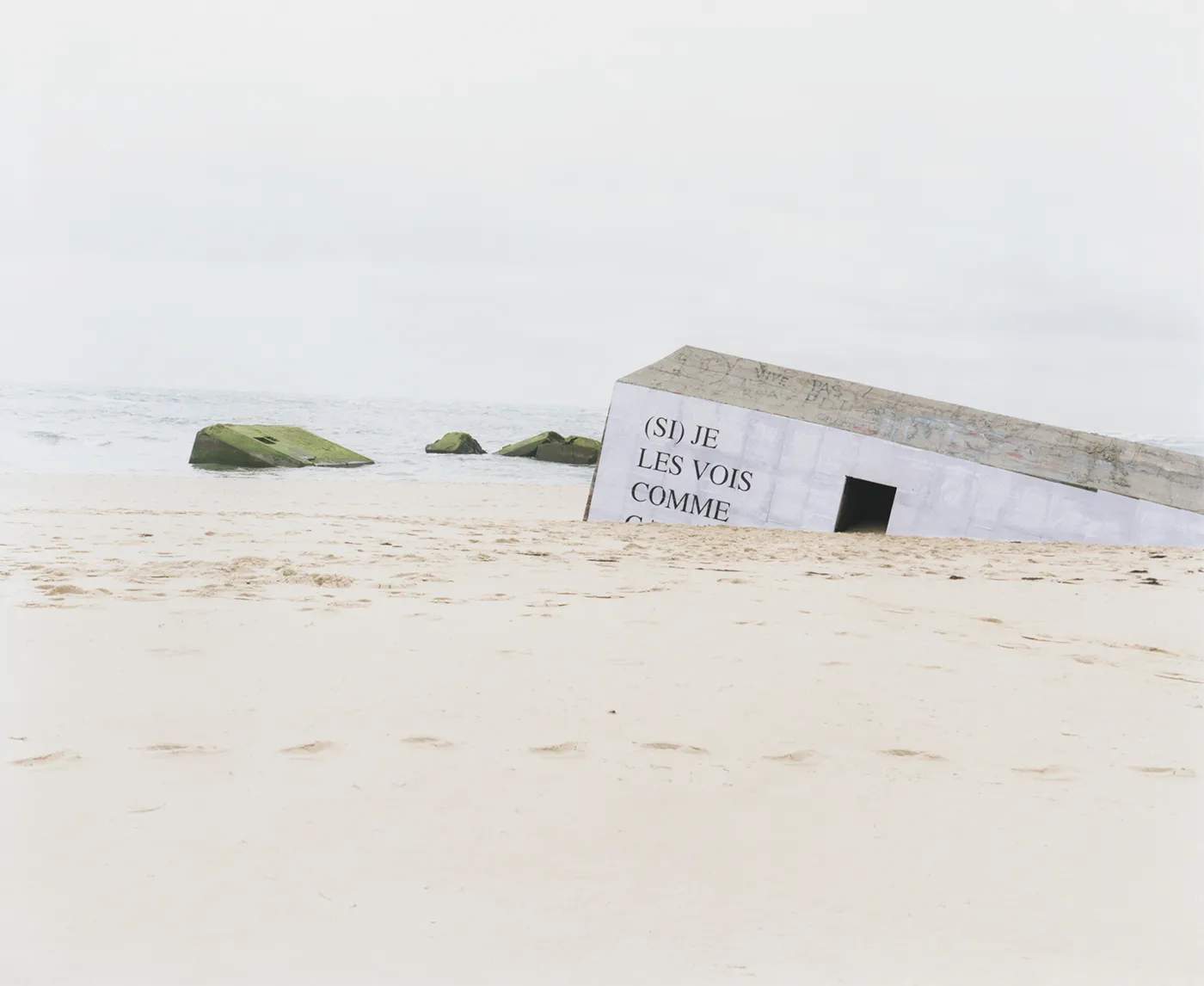
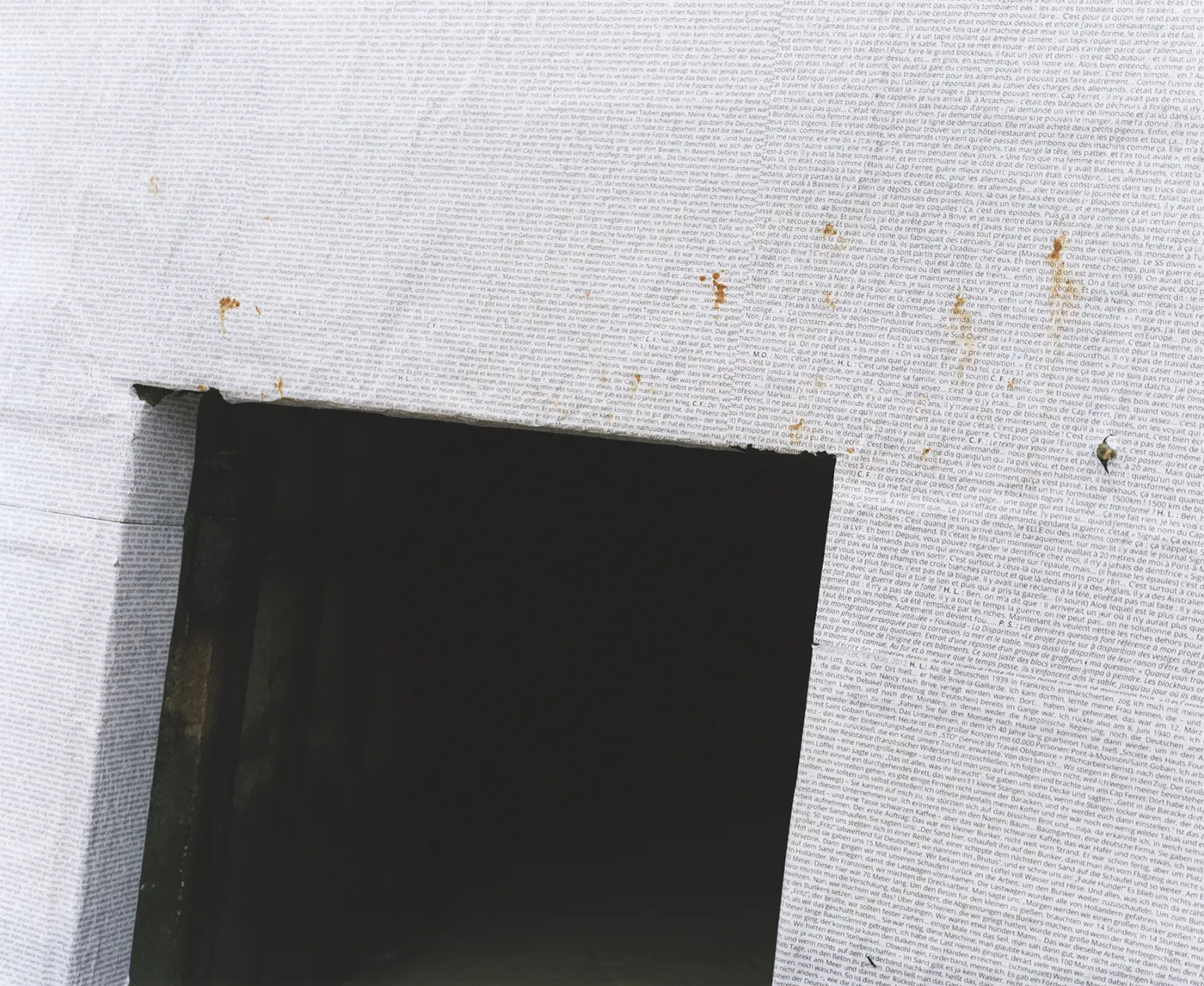
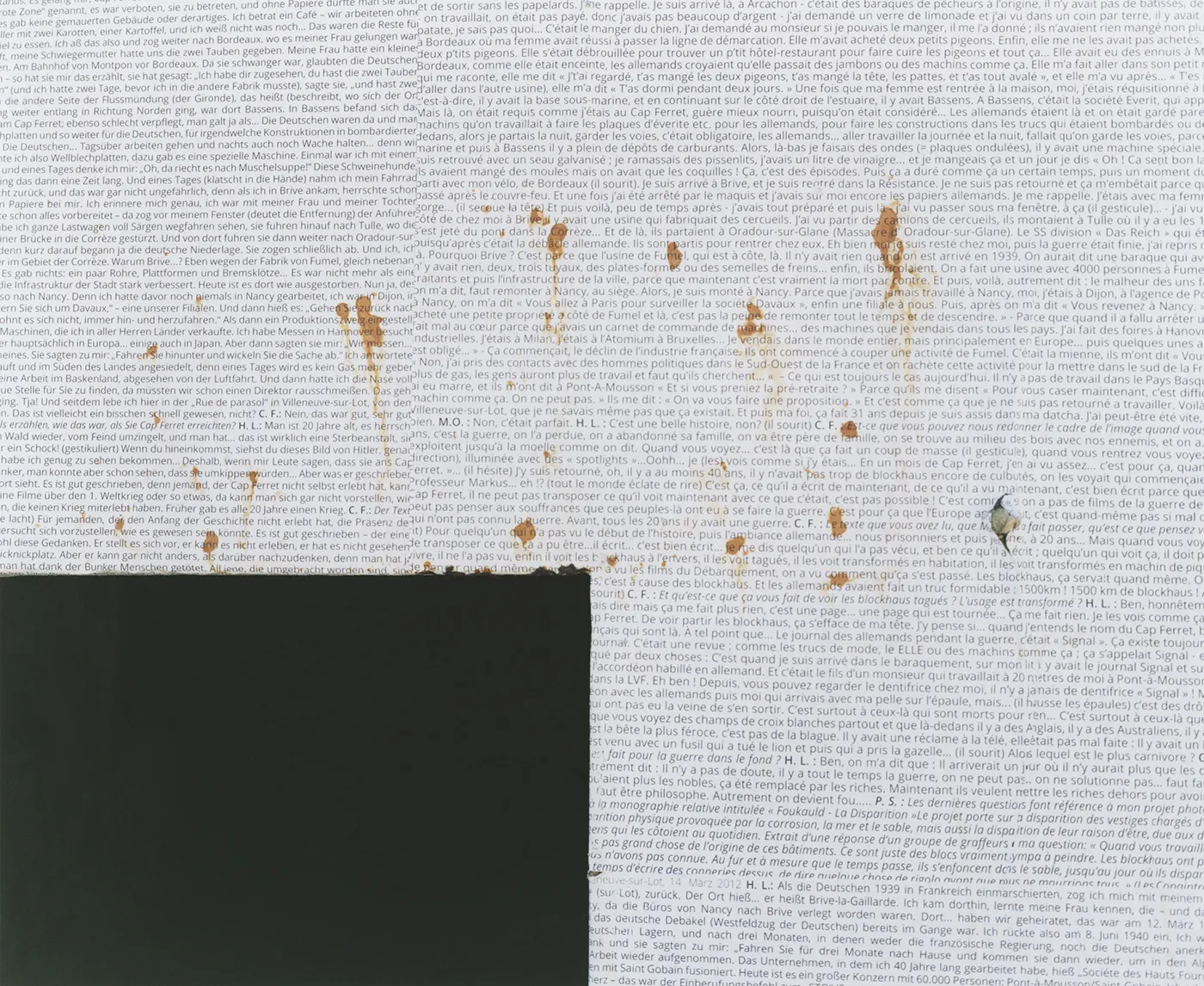

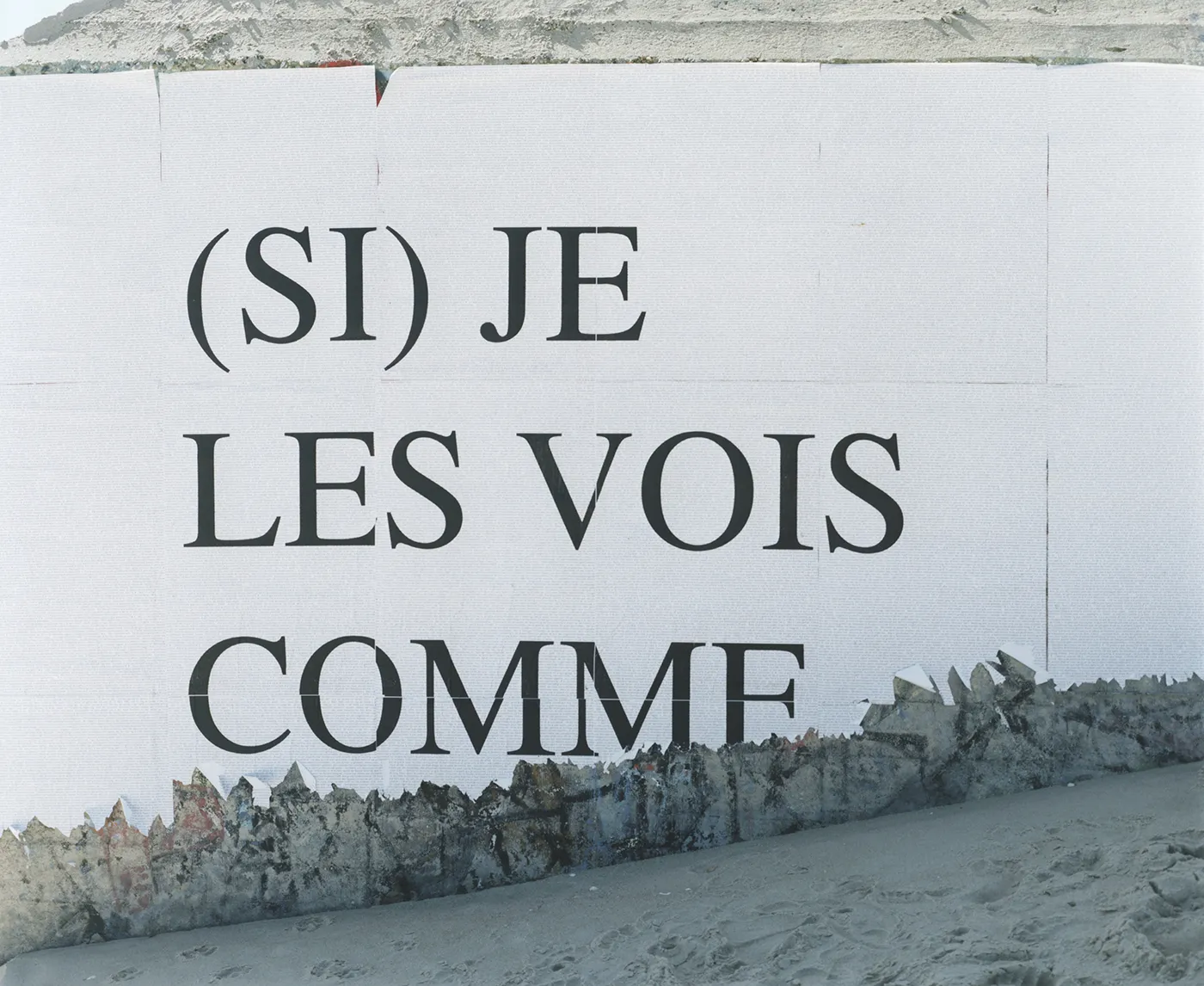





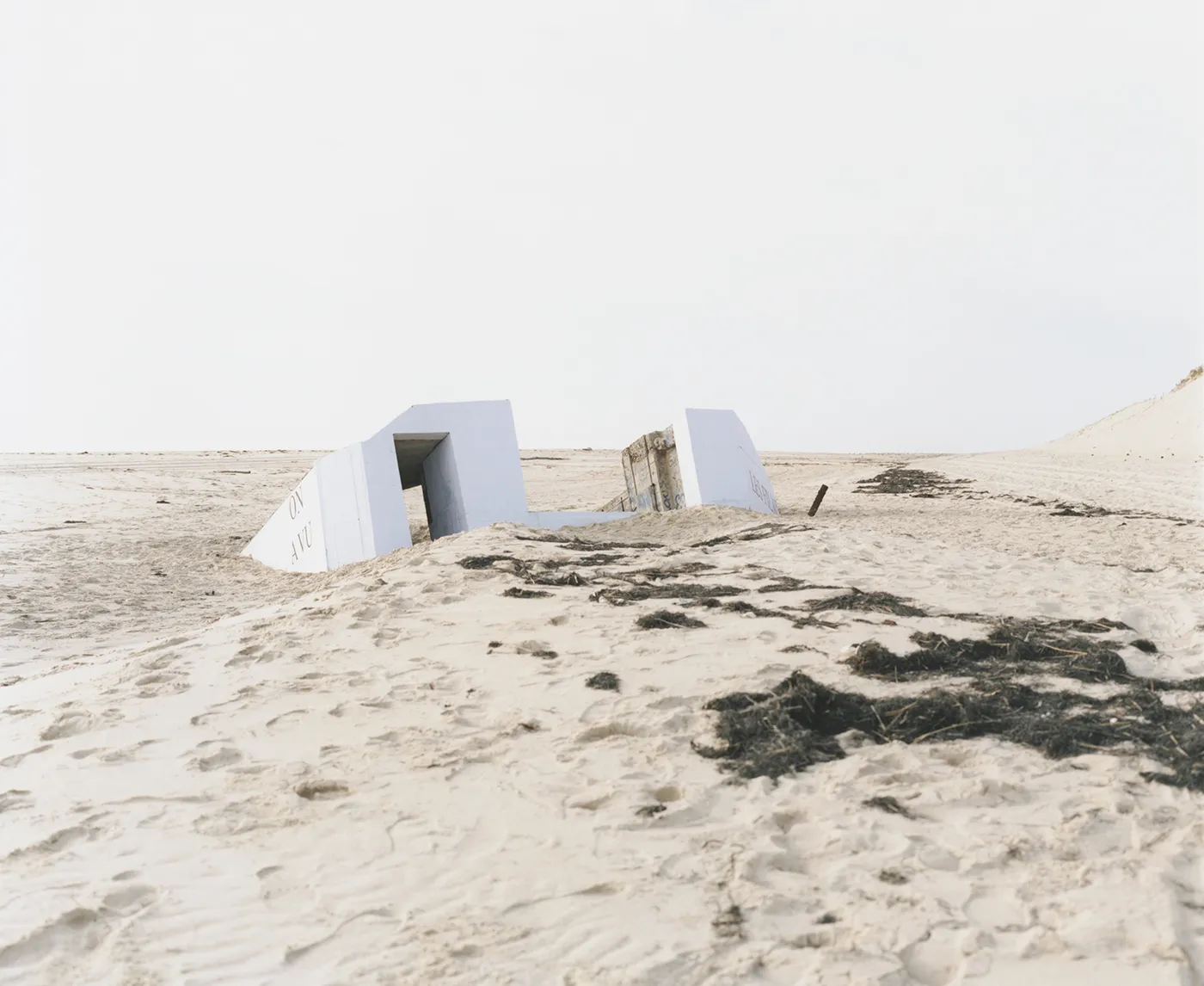

I layouted the transcript of the whole interview (35 minutes) on two different A1 billboards (one french, one german - also reflecting the separation of France during the war as well as the potential of language regarding its power to create belonging and national identity). The big quotes you can see are taken from the interview come together like parts of a puzzle while pasting the billboards on the walls. I selected the quotes not only to ask questions but also to make references to the processes of perception and interpretation, that go hand in hand with images we see in media, films, historical books, ... They ask questions about "lived space" and play with our perception: "(If) I see them like that, ..." (What is it that you see?) "He imagines, he cannot live it, he hasn't seen/experienced it" (if we are not on site - wherever this may be - at that time, can we live it?) "On a vu / les films" (We have seen the films; the films that create the additional pictures in our mind).

Archived Material
This work reflects on archived material in the digital age, media production, and archival structures more broadly. It incorporates vocal snippets from the interview 'Autrement on devient fou.....(OmdU)' with Henri Lavrillat (*1920), who recalls his compulsory work service at Cap Ferret during the Second World War on a beat using samples, alongside 2012 smartphone footage from Cap Ferret that were altered using a documentary film as a filter. For further context, read 'essay' by Lydia Nsiah.
From The Inside Looking Out
Displaced Matter
In 2024, I went back to Cap Ferret to see how the processes of disappearance and appropriation of the Atlantic Wall fortifications around Cap Ferret have continued over the years. In the course of this visit and inspired by projects I have been working on at the time – 'Palm Trees Are Noise' and 'A Bus In The Sand' (both 2024) and earlier 'Violators Will Be Prosecuted' (2015) – I 3D scanned several of the sunken structures, took measurements, notes and photographs for further processing, sculpture and other works.
While 'Displaced Matter' draws its title from Michael Heizer’s 'Displaced/Replaced Mass' (1969), the mode of displacement it articulates is fundamentally different. Heizer’s gesture was one of physical transposition: material was removed from one site and reinstalled in another, retaining its mass, gravity, and indexical relation to matter while rupturing its original spatial and cultural context. My approach, by contrast, performs a displacement without relocation. Through 3D scanning, the Atlantic Wall fortifications are extracted not as objects but as data — as volumetric traces severed from their material substrate. What is displaced here is not matter itself, but the referential bond between object, place, and historical presence. The bunker remains physically embedded in Cap Ferret, subject to erosion, burial, and appropriation, while its scanned double circulates as a placeless, repeatable construct — capable of reappearing across different medial contexts, including a virtually navigable environment called 'Sky Is No Limit' (2025) in which some of these traces are recomposed as fragments within a non-topographic spatial assemblage – together with 3D models from 'Palm Trees Are Noise' (2024), billboards showing Henri Lavrillat explaining how the bunkers were constructed (2012), etc.

This operation marks a shift from sculptural displacement to epistemic displacement: from moving mass in space to translating site-bound materiality into an abstracted, index-poor representation. Unlike photography, which still situates an object within a specific scene and moment, 3D scanning produces a detached remainder — a trace that no longer guarantees proximity to the referent, even as it retains a measurable spatial logic. In this sense, the scans occupy a liminal condition between Foucault’s heterotopia and Baudrillard’s simulacrum: no longer real places that refer to other places, yet not fully autonomous fictions. Reassembled within a digitally navigable pseudo-space, they function as spatial propositions rather than locations — displaced matter that persists as spatial memory without location, challenging conventional notions of placement, historical trace, and the ontology of the object itself.
The bunkers scanned for Displaced Matter are Regelbauten — standardized military structures defined by fixed dimensions and prescribed functions. Designed for serial deployment rather than site-specific expression, they already embodied a logic of abstraction and interchangeability. As Inge Marszolek has shown, these structures have long since lost their original military purpose and have been progressively removed from the context of their creation: reinterpreted through postwar memory, Cold War fantasies of shelter, subcultural appropriation, musealisation, and aesthetic intervention. Their contemporary erosion fragments this functional rigor further, while 3D scanning extends their abstraction into another register altogether, converting standardized architecture into placeless, modular data. In this sense, the scans do not merely document disappearance; they continue an architectural logic in which function precedes place, and repetition ultimately undermines singularity.
Violators Will Be Prosecuted

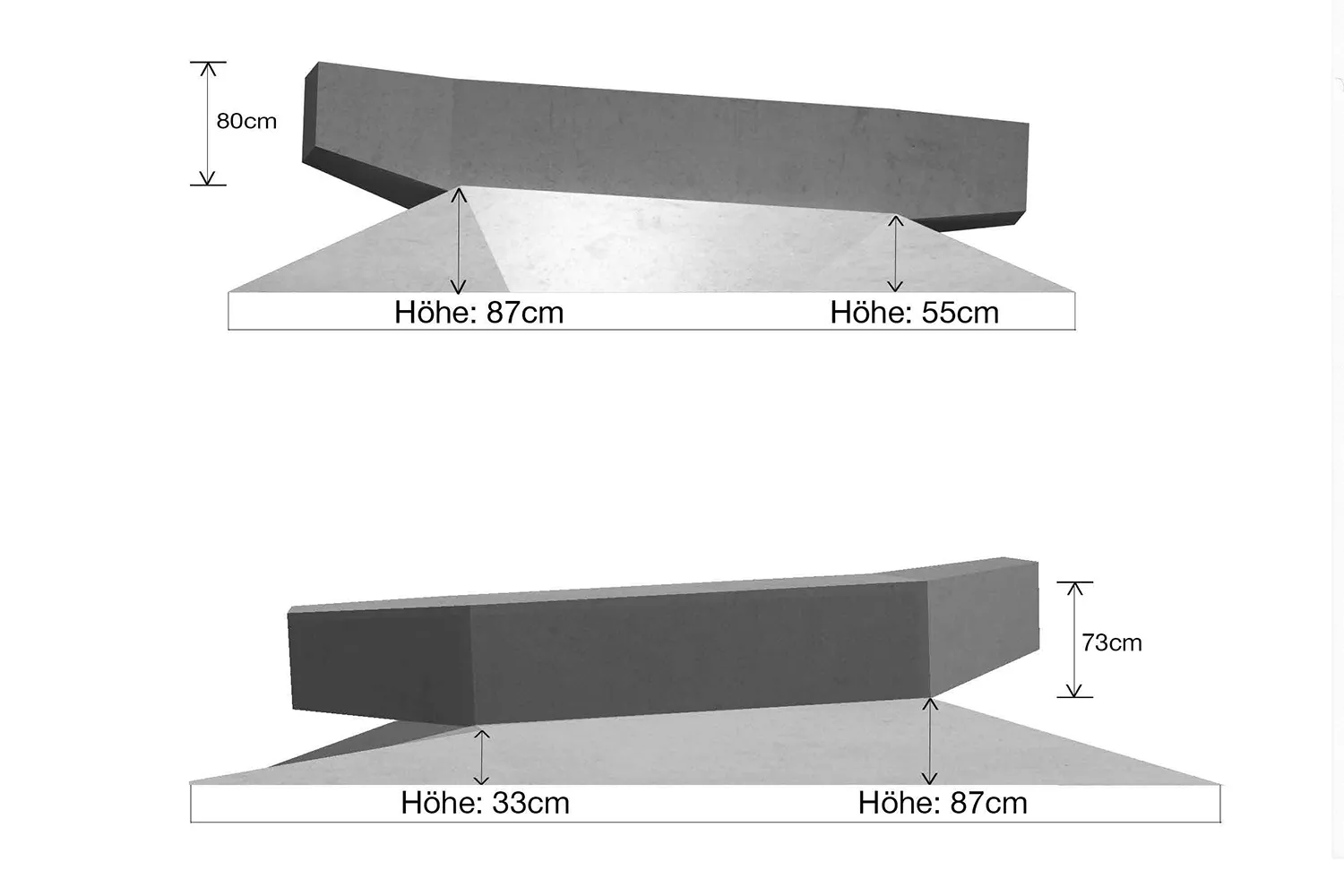

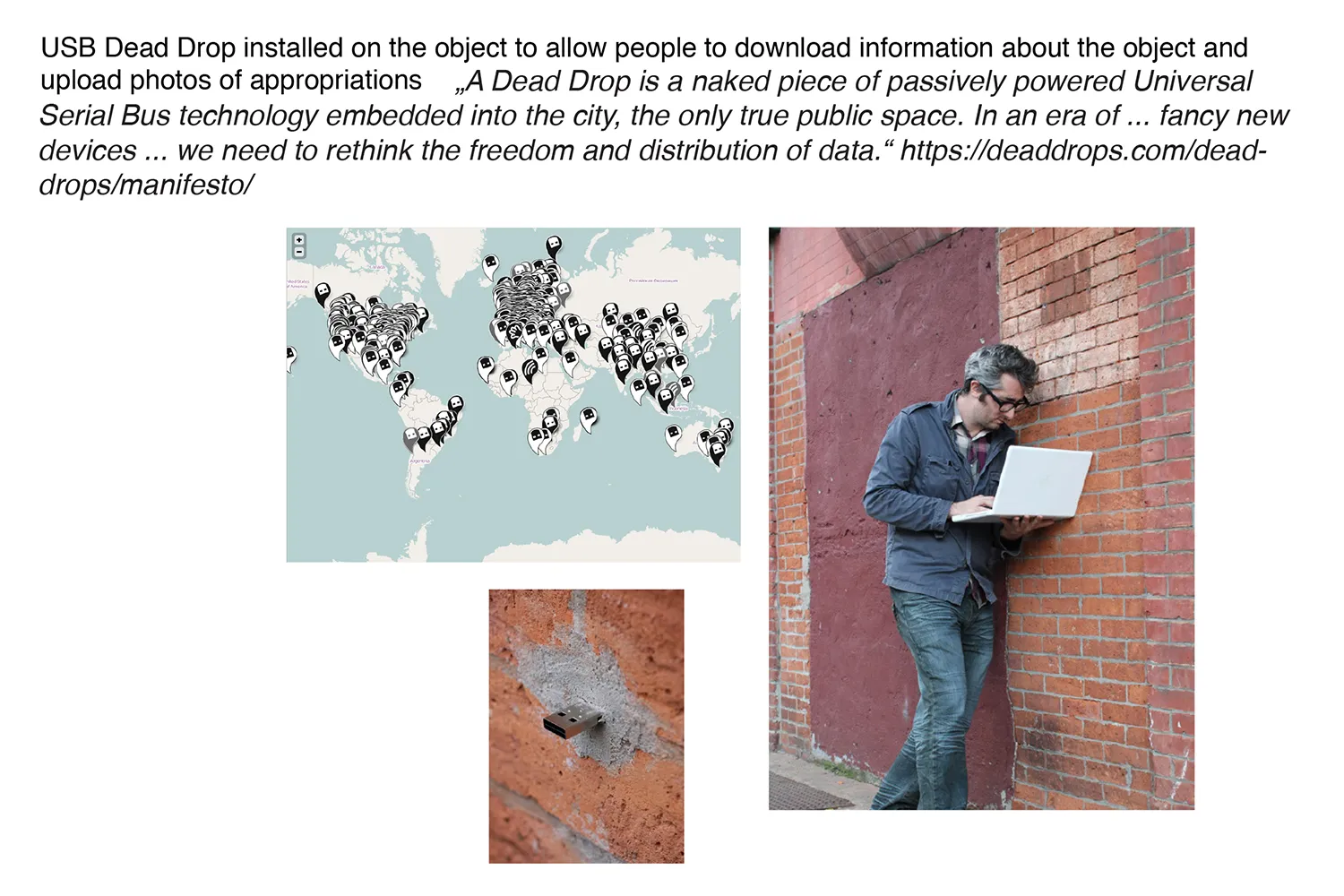
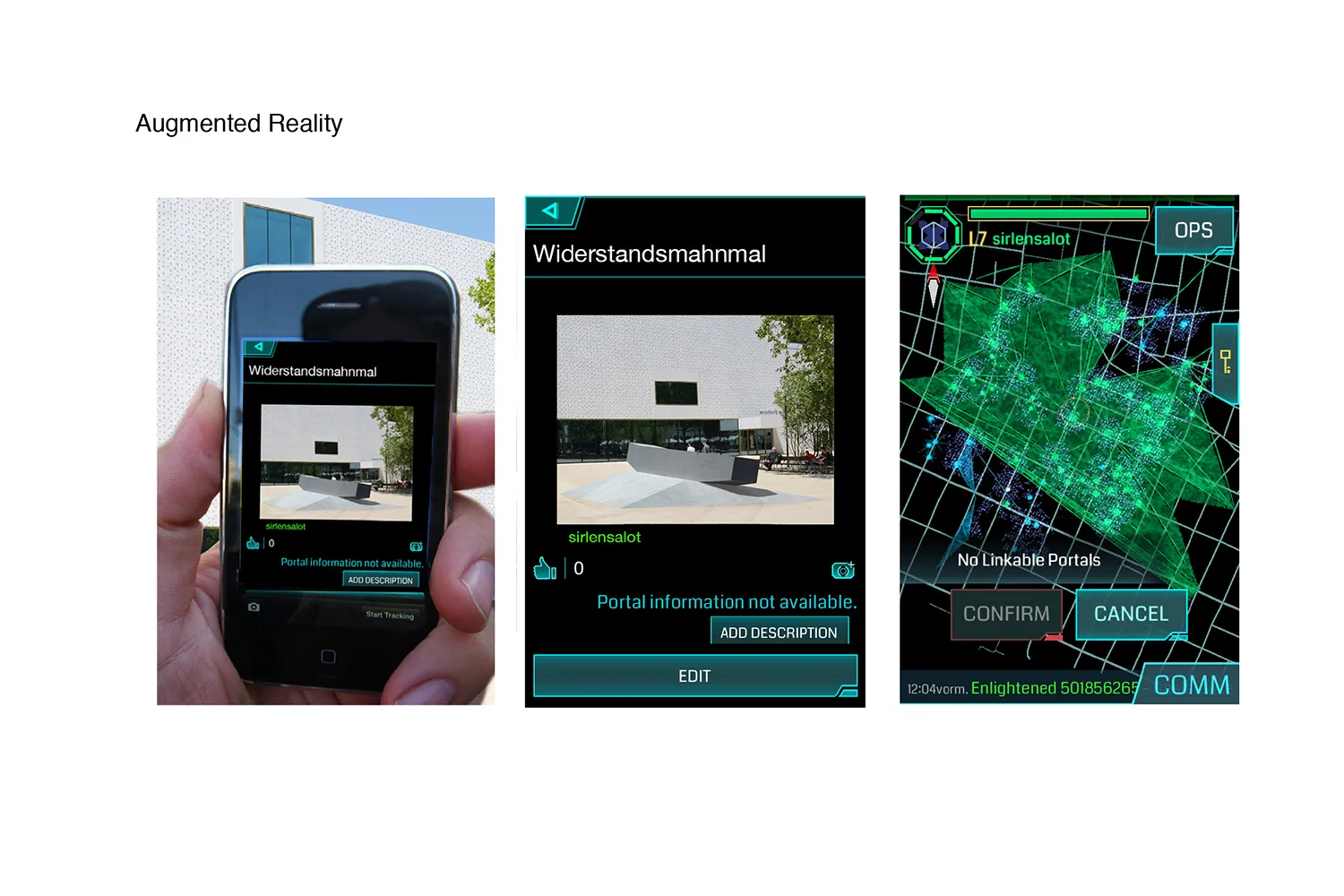

Counter monument: Skateable Sculpture inspired by sinking concrete structures on the Atlantic Coast. Concrete, Iron, Wood, USB-Dead-Drop, Body: 5.5m x 1.5m x 1m, Ground: 7.5m x 7.5m x 1.2m
Our performance in public space is increasingly restricted worldwide through a range of interventions—hostile architecture, homeless spikes, fenced or segmented benches, and similar measures. These strategies, however, do more than limit movement or prevent lingering – they reshape the emotional and social fabric of our environment. Divided benches, skate stoppers, and other deterrents make public spaces hostile and uncommunicative, undermining the unplanned encounters that often foster understanding and solidarity.
The title, “Violators will be prosecuted / any misuse is punished,” reflects this tension. It signals punishment for incorrect behavior without defining what is right or wrong, leaving meaning open to individual context and interpretation. The sculptural object itself, and the ways it is appropriated or resisted following the logic of the Counter Monument (Jochen Gerz) becomes a projection surface for meaning, much like my work on the disappearing bunkers of the Atlantic Wall. Shared experiences and reactions — through daily interaction, discussion on site, or media debate — reveal that engagement is varied, context-dependent, and never fully determined by a single perspective or one true purpose.
Foukauld - Book & Box

Autrement On Devient Fou (OmdU)
Credits
PROJECT / CONCEPT
© Markus Oberndorfer
ALL PHOTOGRAPHS:
Markus Oberndorfer
BOOK CREDITS:
Concept, Graphic Design: Markus Oberndorfer
Editing: From anlaog c-prints: Markus Oberndorfer
Texts: Inge Marszolek, Markus Oberndorfer, Wolf Langewitz, Lydia Nsiah, Ruth Horak
Translation: Isabelle Mauvezin, Sophie Lefèvre, Markus Oberndorfer, Chris Böhm-Benzing, Christoph Kletzer
Typography & Paper: Headline-Typo: Audimat by Jack Usine; Text-Typo: Cmod 2012 by Paul Busk
Book: printed on Core Silk 170g; Booklet: printed on Munken Lynx 120g
Publisher: FOTOHOF edition, ISBN 978-3-902675-71-2, Inge-Morath Platz 1-3, 5020 Salzburg
GENERAL CREDITS:
Ministry of Austria for Arts and Culture, Kultur Land OÖ, Forum Culturel Autrichien, IG Romanistik.
© Markus Oberndorfer 2005 - 2026